How Much Does the Anker Solix X1 Weigh in Pounds?
The Anker Solix X1 is designed for high-performance home energy storage, with its weight varying based on the specific battery module configuration. Generally, the core power module and individual battery units are built for modularity, making the Anker Solix X1 weight manageable for professional installers while maintaining robust durability.
When you are planning a transition to solar energy or trying to build a resilient backup power system for your home, you have a lot of variables to consider. You look at capacity, efficiency, and smart features. But often, people forget one of the most practical questions: how much does the gear actually weigh? If you are eyeing the Anker Solix X1 for your 2026 home upgrade, you are likely wondering exactly how much the Anker Solix X1 weighs in pounds.
Understanding the Anker Solix X1 weight is not just about moving boxes. It is about knowing if your home walls can handle the load, if your floor is sturdy enough, and how much heavy lifting your installation team will actually need to do. Let’s dive deep into the weight specs and why this matters for your energy independence journey.
Key Takeaways
- Modular Design: The weight of the Anker Solix X1 is distributed across stackable battery modules, allowing for easier handling during installation.
- Total System Weight: A full Anker Solix X1 setup can range significantly depending on whether you choose a 5kWh or a 30kWh capacity configuration.
- Installation Logistics: Because of the Anker Solix X1 weight, professional mounting on a load-bearing wall is strictly required for safety.
- Weight vs. Capacity: While the Anker Solix X1 weight increases with more modules, it provides a superior energy density compared to older lead-acid or early lithium-ion systems.
- Safety First: Never attempt to lift the battery modules alone; the weight of the Anker Solix X1 necessitates a two-person lift for safety compliance.
- Structural Requirements: Homeowners must ensure their wall structure can support the cumulative Anker Solix X1 weight before finalizing their purchase.
Understanding the Physical Footprint of the Anker Solix X1
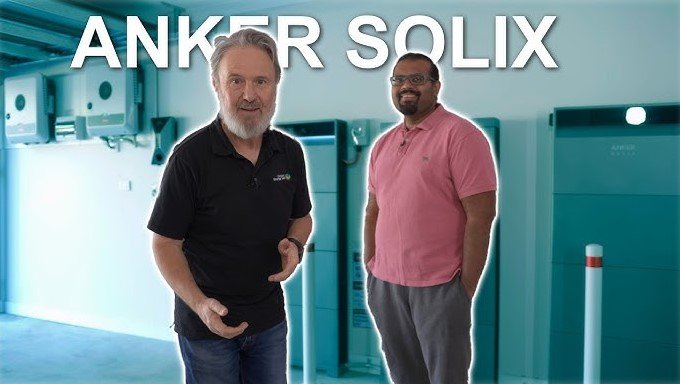
The Anker Solix X1 is not a single, monolithic block. Instead, it uses a modular architecture. This is a huge win for homeowners. Instead of moving one massive, immovable object, you are dealing with a power module and stackable battery units. The total Anker Solix X1 weight is simply the sum of these parts.
The Power Module Weight
At the heart of the system is the power module, which acts as the brain and inverter. This component is generally lighter than the battery modules. When you research the Anker Solix X1 weight in pounds, remember that the power module acts as the anchor. It is built to be rugged but remains the lightest part of the vertical stack.
The Battery Module Weight
Each battery unit is where the real mass lives. These modules are dense. They contain advanced LFP (Lithium Iron Phosphate) chemistry, which is chosen for safety and longevity. Because these batteries are so energy-dense, they have a solid, heavy feel.
When you stack multiple modules to increase your total storage capacity, the cumulative Anker Solix X1 weight rises accordingly. For a standard 5kWh battery module, expect a weight that justifies a two-person lift every single time.
Why the Anker Solix X1 Weight Matters for Installation?
You might be thinking, “Why does it matter how much the Anker Solix X1 weighs in pounds if a professional is installing it?” That is a fair point. However, your home’s structural integrity is your responsibility as the homeowner. Knowing the weight helps you prepare your space.
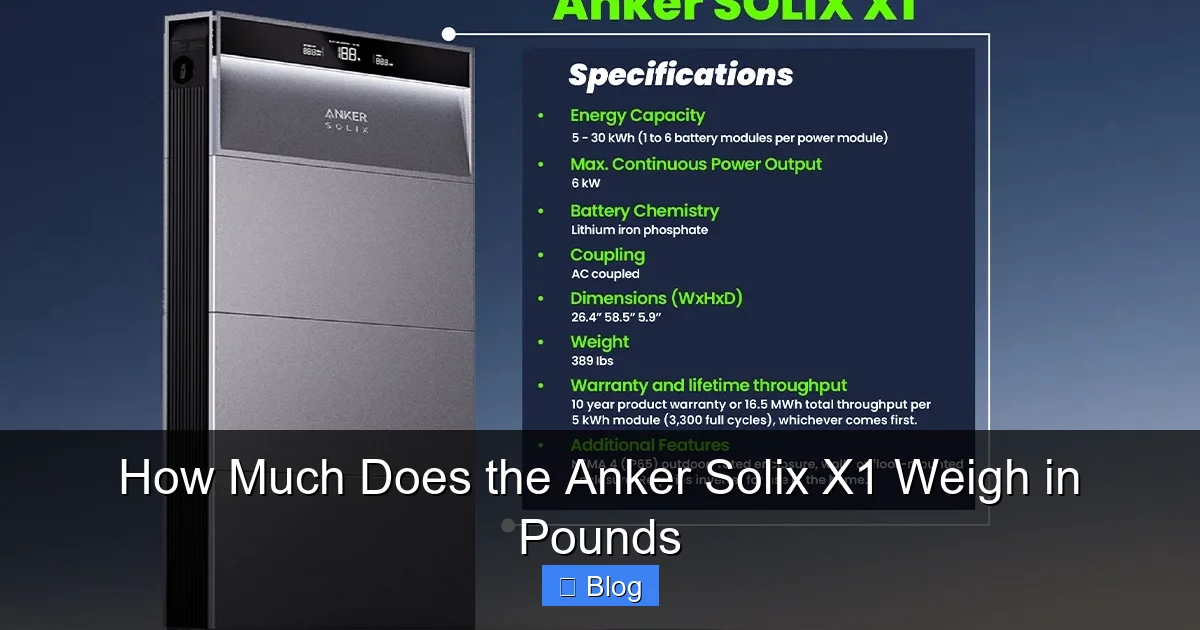
Visual guide about How Much Does the Anker Solix X1 Weigh in Pounds
Image source: solarsme.com
Wall Mounting Requirements
The Anker Solix X1 is often wall-mounted to save precious floor space in your garage or utility room. Because the Anker Solix X1 weight is substantial, your wall must be more than just drywall. Most installers will require a solid concrete wall or reinforced studs. If you have an older home with thin framing, you might need a structural assessment before the hardware arrives.
The Two-Person Rule
Safety is the primary reason to respect the Anker Solix X1 weight. Because of the density of these lithium battery modules, Anker recommends a two-person lift. Trying to maneuver these units solo can lead to injuries or, worse, damaging the battery casing. Even if you are a DIY enthusiast, this is one piece of equipment where you should hire a licensed professional who has the right tools and equipment to handle the weight safely.
Comparing the Anker Solix X1 Weight to Older Tech
It is easy to get caught up in the numbers, but let’s look at the context of 2026. Compared to the battery systems of a decade ago, the Anker Solix X1 is a marvel of engineering. Old lead-acid batteries were massive, heavy, and lacked the power density we enjoy today. The current Anker Solix X1 weight is optimized for modern living.
Energy Density vs. Mass
The engineering team behind the Anker Solix X1 has worked hard to keep the weight down while pushing energy storage capacity up. By using advanced manufacturing, they have managed to pack more kilowatt-hours into a smaller, lighter footprint.
When you compare the total energy storage to the total weight, the Anker Solix X1 is surprisingly efficient. It is heavy, yes, but for the amount of energy it stores, it is remarkably streamlined.
Future-Proofing Your Home
Because the system is modular, you can start with a smaller, lighter setup and add modules later. This allows you to manage the Anker Solix X1 weight over time. You don’t have to install the maximum capacity on day one. You can grow your system as your budget and your energy needs expand, making the weight management process much easier to handle.
Practical Tips for Managing Your Storage System
Once you have decided on your configuration, how do you manage the system? Knowing how much the Anker Solix X1 weighs in pounds is the first step. The second step is preparation. Here are some tips for homeowners planning their installation.
Selecting the Right Location
Choose a location that is cool, dry, and structurally sound. Avoid areas that are prone to extreme temperature fluctuations. Since the weight of the Anker Solix X1 is fixed once installed, you want to pick a spot you won’t need to change later. A garage or utility room with a concrete foundation is ideal.
Clearance and Access
Ensure that your installer has enough clearance around the unit. Not only do they need space to manage the weight of the Anker Solix X1 during the initial install, but they also need space for future maintenance or adding new modules. Do not box the system in with heavy shelves or storage containers.
The Relationship Between Capacity and Heaviness
One of the most frequent questions we get is: “Does the Anker Solix X1 get heavier the more power I add?” The answer is a definitive yes. Because the system is stackable, every additional 5kWh battery module adds significant weight to the total system.
Calculating Your Total Load
If you are planning for a large home, you might be looking at a system with multiple stacks. Each stack carries its own weight. By calculating the number of modules you need, you can estimate the total Anker Solix X1 weight in pounds. Your installer can provide a specific breakdown based on the number of battery units you choose.
Load-Bearing Concerns
If you are installing multiple towers of the Anker Solix X1, distribute the weight. If you are floor-mounting the units, ensure the floor can handle the concentrated load. While most garage floors are concrete and can easily support the weight, it is always worth verifying if you are installing on a raised floor or a basement level with different structural constraints.
Conclusion: Quality Equipment is Worth the Weight
At the end of the day, the Anker Solix X1 weight is a testament to its quality and performance. It is a robust, well-built machine designed to keep your lights on during outages and help you save money on your monthly bills. While you should certainly respect how heavy it is and plan your installation carefully, don’t let the weight deter you from a fantastic product.
By understanding that the Anker Solix X1 weight comes from high-quality battery components, you can feel confident in your purchase. Always prioritize professional installation to ensure the system is mounted correctly and safely. With the right planning and a bit of help from a certified pro, you can enjoy the peace of mind that comes with reliable, efficient home energy storage.
FAQs
Is the Anker Solix X1 easy to move once installed?
No, the system is designed to be a permanent fixture once installed. Because of the significant weight of the Anker Solix X1, it is not meant to be moved frequently and requires professional tools to relocate.
Can I install the Anker Solix X1 on my own?
We strongly advise against self-installation. Due to the high weight of the Anker Solix X1 and the electrical complexity of the system, a certified installer is required for safety and warranty compliance.
How does the weight affect my wall choice?
The wall must be load-bearing or reinforced to support the total Anker Solix X1 weight. You should avoid installing it on simple drywall or non-structural partitions.
Does adding more battery modules make the system unstable?
Not if installed correctly. The system is designed with a secure stacking mechanism, but the cumulative weight of the Anker Solix X1 requires that it be bolted securely to the wall for maximum stability.
Why is the Anker Solix X1 so heavy?
The weight of the Anker Solix X1 is primarily due to the dense, high-capacity lithium iron phosphate (LFP) battery cells. These materials are essential for providing long-lasting, safe, and efficient energy storage.
Should I worry about my floor strength?
For most residential garage or utility room floors, the weight of the Anker Solix X1 is well within the acceptable load limits of standard concrete. If you are installing on a wood-framed floor, consult a professional to ensure the structure can handle the weight.