Amazon Echo Pop Vs Echo Dot (Which Is Right for You?)
Deciding between the Amazon Echo Pop vs Echo Dot comes down to your specific space and sound expectations. While the Echo Pop offers a unique semi-sphere design for tight spots, the Echo Dot provides superior audio performance and advanced sensor technology for a more integrated smart home experience.
Welcome to the year 2026, where the smart home has become more intuitive than ever. If you have been looking to expand your digital ecosystem, you have likely found yourself stuck in the classic Amazon Echo Pop vs Echo Dot debate. These two devices might look like simple plastic speakers at first glance, but they serve different masters in the modern household.
Whether you are setting up your very first smart home or just adding a voice assistant to a spare room, choosing the right speaker is essential. In this guide, we will break down exactly how these two powerhouses compare so you can spend less time researching and more time enjoying your favorite tunes and home automations.
Key Takeaways
- Design Philosophy: The Echo Pop features a stylish semi-sphere shape, whereas the Echo Dot maintains the classic, compact orb aesthetic that fits seamlessly on nightstands.
- Audio Quality: The Echo Dot delivers richer bass and clearer vocals, making it better for music lovers, while the Echo Pop is optimized for casual listening and voice assistant tasks.
- Smart Home Sensors: The Echo Dot includes built-in motion and temperature sensors, allowing for sophisticated home automation routines that the Echo Pop lacks.
- Price Point: The Echo Pop is generally the most affordable entry point into the Alexa ecosystem, perfect for secondary rooms or guest spaces.
- Room Suitability: If you need a device for a bedroom or desk, the Echo Pop is often sufficient; for living areas, the Echo Dot is the recommended choice.
Understanding the Echo Pop Aesthetic
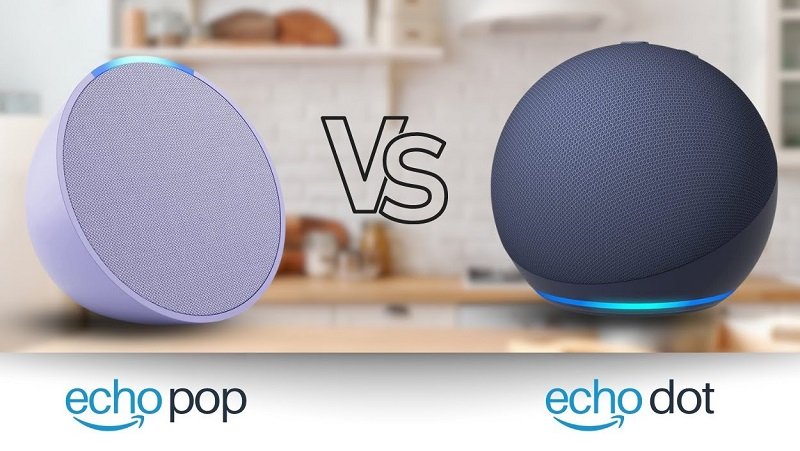
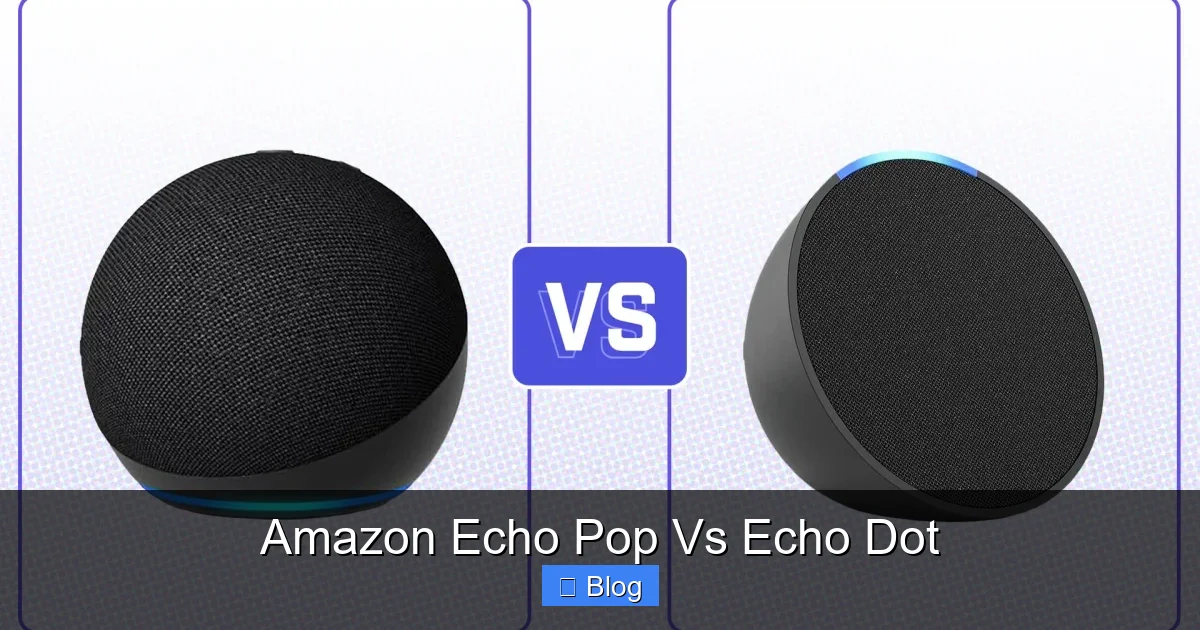
The first thing you notice when comparing the Amazon Echo Pop vs Echo Dot is the physical form factor. The Echo Pop is a bit of a rebel in the Alexa lineup. With its semi-sphere design, it looks like a slice of a larger orb, making it incredibly stable and visually distinct. Because of its flatter front-facing speaker, it tends to blend into bookshelves and tight corners without looking like a piece of bulky technology.
Why Style Matters
For many of us, technology shouldn’t just be functional; it should be part of the decor. The Echo Pop comes in a variety of fun, vibrant colors that can match your room’s theme. It feels less like an industrial gadget and more like a decorative accent piece. If you are placing a device in a teenager’s room or a brightly colored kitchen, the Pop feels right at home.
Placement Tips
Because the speaker in the Echo Pop faces forward rather than firing in all directions, placement is key. Try to keep it on a flat surface facing your primary listening area. Unlike the Echo Dot, which can feel a bit more “omni-directional,” the Pop performs best when it is pointed directly at the user. It is the perfect companion for a home office desk where you want Alexa nearby but don’t want the device taking up valuable real estate.
The Echo Dot Advantage
If the Echo Pop is the stylish younger sibling, the Echo Dot is the reliable, high-performing older sibling. For years, the Echo Dot has been the gold standard for small smart speakers. Its iconic spherical shape isn’t just for looks; it allows the internal components to push sound in a way that feels more expansive and “room-filling” than the Pop.
Advanced Sensor Technology
The real secret weapon of the Echo Dot in 2026 is its internal sensor suite. Unlike the Echo Pop, the latest Echo Dot models come equipped with temperature and motion sensors. This is a game-changer for home automation. You can set up a routine so that your smart fan turns on automatically when the room reaches a certain temperature, or have your lights activate when you walk into the room, all without needing external hardware.
The Audio Difference
When you place an Amazon Echo Pop vs Echo Dot side-by-side and play the same song, the difference is immediate. The Echo Dot offers a deeper resonance and a much more balanced sound profile. If you enjoy listening to podcasts or background music while cooking, the Echo Dot provides a level of clarity that the Pop simply cannot match given its smaller physical architecture.
Voice Recognition and Alexa Capabilities
Both devices are powered by the same incredible Alexa assistant. Whether you choose the Echo Pop or the Echo Dot, you are getting the same core intelligence. You can control your smart lights, set timers, get news updates, and manage your calendar with equal ease on both units.
Microphone Sensitivity
You might wonder if the cheaper price tag of the Echo Pop means the microphones are worse. Surprisingly, no. Amazon has maintained high-quality far-field microphone technology across their entire lineup. Even in a noisy room, both the Pop and the Dot are remarkably good at hearing the “Alexa” wake word. You won’t find yourself shouting at either device, which is a testament to how far this tech has come by 2026.
Integration and Speed
In 2026, Alexa processes requests much faster than in previous years. Both devices connect to your Wi-Fi and Bluetooth seamlessly. However, the Echo Dot has a slight edge when it comes to acting as a bridge for other smart home devices. If you are building a complex network of smart bulbs, plugs, and locks, the Echo Dot’s hardware is slightly more robust for handling high volumes of simultaneous commands.
Value and Pricing Considerations
Budget is always a major factor. The Amazon Echo Pop vs Echo Dot comparison often boils down to your bank account. The Echo Pop is undeniably the value king. It is frequently discounted, making it an excellent choice if you want to put an Alexa device in every room of the house without breaking the bank.
The “Room-by-Room” Strategy
Many smart home enthusiasts adopt a hybrid strategy. They put a high-end Echo device or an Echo Dot in the living room and kitchen where music quality is important. Then, they use the Echo Pop in the hallways, bedrooms, or bathrooms where they mainly just need voice control, weather reports, or simple alarm setting. This allows you to get the best of both worlds without overspending.
Is it Worth the Upgrade?
If you have the extra budget, opting for the Echo Dot is usually the smarter long-term investment. The added sensor capabilities mean you won’t need to buy additional accessories later on to automate your home. Think of the price difference as an investment in the future flexibility of your smart home system.
Practical Use Cases for Your Home
Let’s look at how these devices actually function in a real home environment. If you are a student living in a dorm, the Echo Pop is likely your best friend. It takes up almost no space and provides the perfect ambient sound for late-night studying. Its design is compact enough to fit on a cluttered bookshelf alongside textbooks and pens.
The Family Hub
For families, the Echo Dot is a workhorse. Because it has better audio, it can serve as a kitchen assistant that can actually play music at a volume high enough to be heard over the sound of sizzling pans. Furthermore, if you use the “Drop In” feature to communicate between rooms, the speaker quality on the Echo Dot makes voices sound more natural and less tinny.
Automating Your Morning
Imagine waking up in 2026. Your Echo Dot senses the motion when you get out of bed and slowly raises the brightness of your smart lights. It then gives you a quick summary of your day while the speaker provides high-quality audio for your favorite morning playlist. The Echo Pop can do the voice commands, but it lacks the sensor awareness to trigger that automated morning routine seamlessly.
Conclusion
Choosing between the Amazon Echo Pop vs Echo Dot is a pleasant problem to have because both devices are excellent. By 2026, Amazon has refined both the Pop and the Dot to be incredibly capable assistants. The Echo Pop wins on style and value, offering a unique form factor that fits perfectly into small, specific spaces.
The Echo Dot, however, remains the superior all-rounder. With its better audio drivers and, more importantly, its built-in sensors, it serves as a much more powerful brain for your smart home ecosystem. If you are serious about home automation, the Echo Dot is the way to go. If you are looking for a simple, friendly, and affordable way to talk to Alexa, the Echo Pop will serve you perfectly.
Ultimately, identify where you need the device and what you need it to do. If it’s for music, choose the Dot. If it’s for convenience and space-saving, choose the Pop. Regardless of your choice, you are bringing one of the most reliable pieces of technology into your home.
Frequently Asked Questions
Does the Echo Pop have a built-in temperature sensor?
No, the Echo Pop does not include temperature or motion sensors. Those advanced automation features are exclusive to the Echo Dot lineup.
Can I pair the Echo Pop and Echo Dot together?
Yes, you can group them together in the Alexa app to create a multi-room music system. They will play the same audio simultaneously throughout your home.
Which device sounds better for listening to music?
The Echo Dot sounds better for music because it has a larger, higher-quality speaker driver. It provides a richer sound profile with deeper bass compared to the Echo Pop.
Is the Echo Pop easier to fit in small spaces?
Absolutely, the Echo Pop’s semi-sphere design makes it much more compact for tight shelves or narrow nightstands. Its flat profile allows it to slide into areas where the round Echo Dot might be too bulky.
Do I need a hub for either of these speakers?
No, both devices connect directly to your home Wi-Fi and act as their own smart home hubs. You do not need any additional hardware to get them working.
Are they both compatible with all smart home devices?
Yes, both devices support the same massive library of smart home devices that work with Alexa. If a product says “Works with Alexa,” it will work with both the Pop and the Dot.