Why Is My Air Purifier Suddenly Red? (Causes and Fixes)
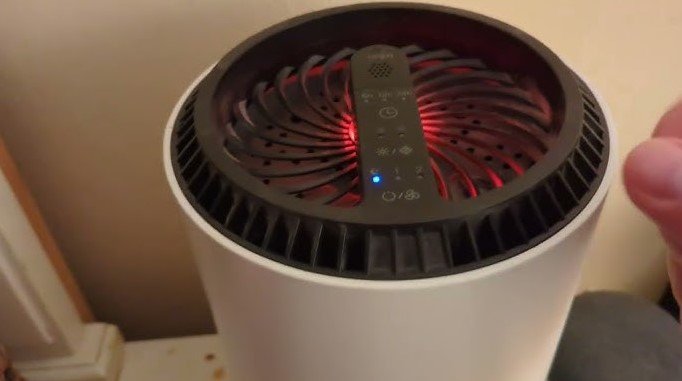
When your air purifier suddenly turns red, it usually indicates a drop in indoor air quality or a need for maintenance. This color-coded warning system is designed to alert you to pollutants, but it can also signal that your filters are clogged or the sensors are dusty.
You are relaxing in your living room, enjoying a quiet evening, when you glance at your air purifier. Suddenly, you notice a bright, alarming red light glowing where it usually shows a calm blue or green. It is natural to feel a bit worried when this happens. Is the air toxic? Is the machine broken? Why is my air purifier suddenly red?
In 2026, modern air purifiers have become incredibly smart. They use advanced laser sensors to monitor the air around you in real-time. When that light shifts to red, it is usually just your device doing its job talking to you about the air you breathe. Let’s walk through the most common reasons this happens and how you can get back to clean, fresh air quickly.
Key Takeaways
- Air Quality Alerts: A red light often means the machine has detected a spike in pollutants like smoke, VOCs, or dust.
- Filter Maintenance: If the light stays red after cleaning the air, your HEPA filter is likely saturated and needs a replacement.
- Sensor Obstruction: Dust or debris buildup inside the air quality sensor can cause false red light readings.
- Room Placement: Moving your device away from corners or crowded areas can improve sensor accuracy and air intake.
- Power Cycles: Sometimes, a simple reset or reboot is all that is needed to clear a software glitch causing the red light.
1. Understanding the Color-Coded Warning System
Most purifiers use a traffic light system to communicate. While every brand is slightly different, the logic remains consistent. Green typically means your air is pristine. Yellow or orange suggests moderate quality. Red almost always signals “poor” air quality.
What does “poor” actually mean?
When your purifier labels the air as poor, it has detected a high concentration of particulate matter (PM2.5) or Volatile Organic Compounds (VOCs). These are invisible particles that could come from cooking, spraying cleaning products, or even a sudden draft bringing in outside pollen. When your air purifier is suddenly red, it is essentially saying, “Hey, there is a lot of stuff in the air right now, and I am working hard to clean it up!”
Is the light an error code or an alert?
It is important to distinguish between a warning light and a system error. If the light is solid red, it is usually an air quality alert. If the light is blinking or flashing, it might be a mechanical error. Always check your manual to see how your specific model differentiates between “bad air” and “I need a new filter.”
2. Common Household Triggers for the Red Light
You might be surprised by how many everyday activities trigger that red sensor. Air purifiers are hypersensitive, which is a good thing for your health, but it can be startling when the machine kicks into high gear during a normal day.
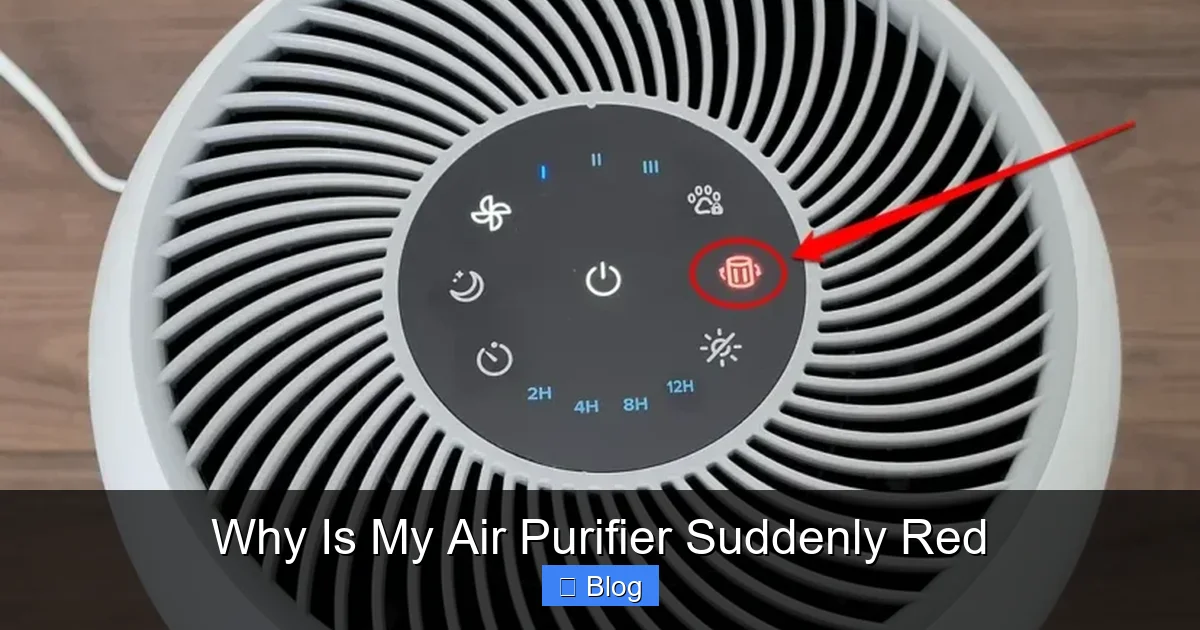
Visual guide about Why Is My Air Purifier Suddenly Red
Image source: airpurifierfaqs.com
Cooking and Scented Products
If you just started searing a steak or frying onions, your purifier is going to see that smoke and steam as pollutants. The red light will turn on almost instantly. Similarly, using hairspray, lighting scented candles, or even diffusing essential oils can saturate the sensor. These substances are technically airborne particles, so the machine treats them as pollution.
Dust and Pet Dander
If you just vacuumed or moved a dusty rug, you likely kicked up a cloud of particles that you cannot see with the naked eye. Your purifier definitely can. It will turn red as it works to pull those allergens out of the breathing zone. If you have pets, sudden shedding seasons or a dog shaking off after a walk can also cause a momentary red spike.
3. Checking Your Filter Status
If the air in your room seems perfectly clean, but the light is still red, the issue might be internal. Your purifier relies on airflow to sense the environment. If the filter is clogged, the machine cannot “breathe,” which can lead to sensor malfunctions.
How to know if the filter is the culprit
Think about the last time you changed your HEPA filter. In 2026, most machines have an integrated app that tracks the percentage of filter life remaining. If it says 0% or 5%, that red light is likely a friendly nudge to order a replacement. A clogged filter restricts airflow, forcing the motor to work harder while providing less clean air.
The importance of pre-filters
Many people forget that most HEPA purifiers have a pre-filter—a mesh screen that catches large dust and hair. If this screen is coated in a layer of dust, the machine’s performance drops significantly. Simply removing the pre-filter and vacuuming it off can sometimes solve the “suddenly red” mystery in under two minutes.
4. Troubleshooting the Air Quality Sensor
Sometimes, the air quality is fine, the filter is new, and yet the light remains stubbornly red. In this case, the sensor itself might be the problem. Think of the sensor as the machine’s “nose.” If the nose is stuffed up, it cannot smell the air properly.
Cleaning the sensor window
Over time, dust can accumulate inside the sensor chamber. Most modern purifiers have a small hatch or a specific area where the sensor sits. Check your manual for the location. Use a cotton swab to gently wipe the lens inside the sensor cavity. Do not use liquids or harsh cleaners! A simple, dry swab usually does the trick. This clears the dust and allows the laser to “see” clearly again.
Sensor recalibration
Some premium units allow you to recalibrate the sensor. If you have recently moved the device to a new room with different humidity levels, the sensor might need to adjust. Unplugging the unit for 60 seconds and plugging it back in acts as a “soft reset,” which often clears out temporary sensor glitches.
5. Optimizing Your Purifier Placement
Where your purifier sits can drastically affect its reading. If it is tucked away in a corner, behind a couch, or inside a tight closet, it isn’t getting a good representation of your room’s air. Poor circulation can trap stagnant, dusty air around the unit, causing a false red reading.
Best practices for positioning
Place your purifier in a central, open area at least two feet away from walls or furniture. This allows for optimal 360-degree intake. Also, keep it away from direct sources of humidity, like bathroom doors or open windows, as high moisture levels can occasionally interfere with laser particle counters.
Managing “dead zones”
If you have a large living area, one purifier might struggle to keep the air clean in the far corners. If the light stays red for hours, it might be telling you that the machine is simply overwhelmed by the room size. In this case, you may need a second unit or to move your current one to a higher-traffic area.
Conclusion
Having your air purifier suddenly turn red is rarely cause for alarm. Usually, it is simply the device being proactive about keeping your home healthy. By checking your cooking habits, vacuuming your filters, and keeping the sensor lens clean, you can resolve the issue in most cases. If you have performed all these steps and the light remains a persistent red, it may be time to contact the manufacturer’s customer support for a potential hardware issue. Remember, that little light is your partner in breathing better so trust it, check it, and enjoy the clean air!
Frequently Asked Questions
What should I do first if the light turns red?
First, check for obvious sources of air pollution like cooking smoke or spray products. If the air is clear, check your filter’s status in your app or on the device display to see if a replacement is needed.
Can high humidity make the red light turn on?
Yes, extremely high humidity or steam can sometimes confuse the laser sensors in air purifiers. If the air is very damp, the sensor may mistake moisture particles for pollutants.
How often should I clean the air quality sensor?
You should aim to clean the sensor lens every three to six months as part of your regular maintenance routine. If you live in a particularly dusty environment, you may want to do it every two months.
What if the light stays red even with a brand new filter?
If you have installed a new filter and the light is still red, try performing a hard reset on the unit. Also, ensure the sensor lens is clean and the unit is not placed in a restricted, enclosed area.
Is it safe to keep running the machine while the light is red?
Absolutely! If the light is red, the machine is sensing particles and is likely running at a higher fan speed to clear them out. You should definitely keep it running until the air quality improves.
Does “red” always mean the air is dangerous?
Not necessarily. “Red” just indicates that the particle count is higher than your current target threshold. While it is better to have clean air, a temporary red light is usually just a reaction to everyday life.