
What Is Anion on Air Purifier? Benefits of Using Anion Air Purifiers
Anions, or negative ions, are charged particles used in air purifiers to trap airborne pollutants like dust, smoke, and pollen. By attaching to these contaminants, they make them heavy enough to fall out of the air, ensuring you breathe cleaner, fresher air every single day.
If you have spent any time shopping for a new air purifier in 2026, you have probably run into a mysterious feature called “anion.” You might be standing in the electronics aisle, staring at the box and asking yourself, “What is anion on air purifier?” It sounds like something out of a science fiction movie, but it is actually a surprisingly simple and natural process that can change how your home feels.
When we talk about air quality, we usually think about filters catching dust. Anion technology is different. It is an active way of cleaning the air that goes beyond just sucking particles through a screen. It is about balancing the invisible electricity in your home to create an environment that feels as crisp as a morning in the mountains. Let’s dive deep into this technology so you can decide if it is right for your home.
Key Takeaways
- Natural Cleaning: Anion technology mimics the refreshing air found near waterfalls or forests.
- Particle Removal: Negative ions bond with pollutants, forcing them to settle on surfaces instead of floating in your lungs.
- Health Benefits: Many users report improved mood, better sleep, and reduced allergy symptoms.
- Ozone Caution: Always ensure your anion air purifier is ozone-certified to keep your respiratory health safe.
- Maintenance Matters: Keeping your floors clean is essential because anions move dust from the air to the ground.
The Science Behind Anions
To understand what an anion is, we have to go back to basic chemistry. Everything around us is made of atoms. Atoms have electrons, which are tiny, negatively charged particles. An “anion” is simply an atom or molecule that has gained an extra electron, giving it a net negative charge.
How Anions Mimic Nature
Have you ever noticed how the air smells incredibly clean after a thunderstorm or near a crashing waterfall? That is not just a coincidence. Those environments are rich in negative ions. Nature produces these ions through high-energy events like lightning or the physical friction of splashing water.
When you use an anion air purifier, you are essentially bringing that natural phenomenon indoors. The device uses high-voltage electricity to strip electrons and release them into the room, charging the air around you.
The Attraction Principle
Pollutants like dust, pollen, pet dander, and smoke particles are usually positively charged. In nature, when a negative ion meets a positive pollutant, they attract each other like magnets. The negative ion “grabs” the pollutant, making the resulting cluster too heavy to stay floating in the air.
Gravity does the rest of the work, pulling those particles down to the floor or onto furniture. Once they have settled, they are no longer in your breathing zone, which is exactly where you want them to be.
Benefits of Using Anion Air Purifiers
Now that we know the answer to “What is anion on air purifier,” we should look at why you would want one. The primary goal is, of course, cleaner air. But the advantages extend further than just removing dust.
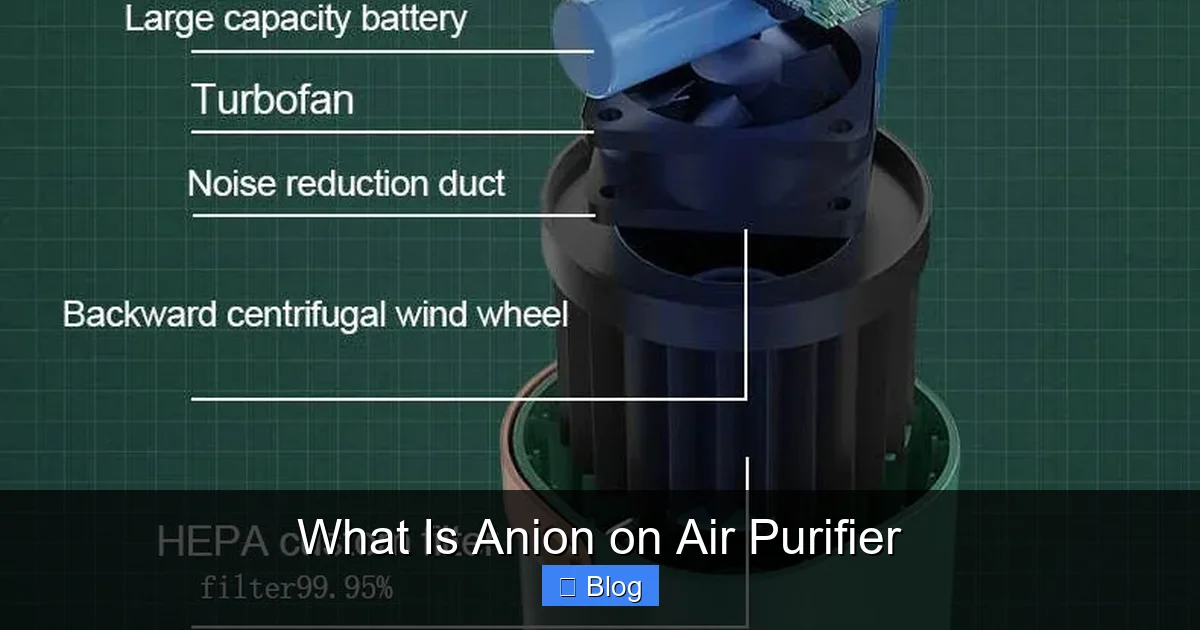
Visual guide about What Is Anion on Air Purifier
Image source: cdn.shopify.com
Breathe Easier and Reduce Allergens
For anyone who suffers from seasonal allergies or household dust sensitivity, anions are a game changer. By forcing particles out of the air, the purifier prevents you from inhaling irritants throughout the night. It is a proactive way to manage your indoor environment, especially during the peak of pollen season in the spring or when indoor air gets stale during the winter.
Mood and Energy Improvements
There is growing research suggesting that negative ions can influence our physical and mental well-being. Many people report feeling more energized, alert, and relaxed when they are exposed to environments high in negative ions. While an air purifier won’t replace a vacation to the mountains, it can help create a more invigorating atmosphere in your home office or bedroom, potentially helping you stay focused and calm during long days.
Understanding the Safety Concerns
Because the question “What is anion on air purifier” is so common, it naturally brings up questions about safety. Whenever you introduce high-voltage electricity to ionize air, there is a risk of creating ozone as a byproduct. Ozone, while great in the upper atmosphere, can be harmful to human lungs when inhaled in high concentrations.
The Importance of Ozone-Free Certification
In 2026, most reputable manufacturers are very careful about this. If you are looking to buy an anion air purifier, look for “Ozone-Free” or “CARB Certified” labels. These certifications ensure that the device produces little to no ozone, keeping the air strictly clean without introducing dangerous gases. Always double-check the product manual or official website to verify these safety standards.
Do Anions Make the Room Dirty?
One minor “downside” to this technology is that it doesn’t make dust disappear; it just changes where it lands. Since anions pull particles to the floor, you might notice you need to vacuum or wipe down your surfaces a bit more frequently. This is actually a sign that the purifier is working! You are better off wiping dust off a tabletop than having that dust floating in your lungs.
Anion Air Purifiers vs. HEPA Filters
You might be wondering if you need an anion purifier if you already have a HEPA filter. The answer depends on your specific needs. Most high-end air purifiers actually use both technologies together.
How They Work Together
A HEPA filter is a passive system. It pulls air through a dense mesh to trap particles. Anion technology is an active system that reaches out into the room to grab contaminants that might not reach the filter. By combining the two, you get a “best of both worlds” approach. The ionizer helps the filter work more efficiently by clumping smaller particles together, making them easier for the main filter to grab.
When to Use Anion Mode
Most modern units allow you to toggle the anion function on or off. I recommend using the anion mode during the day when you are cleaning or when there are more people moving around, stirring up dust. If you find the air is perfectly fine but you want that “fresh forest” feeling, go ahead and turn it on. It is a flexible tool to have in your air quality toolkit.
Maintenance and Practical Tips
To keep your device running perfectly, remember that it is not just about the ionizer. The surrounding environment matters just as much. Here are a few tips to maximize the benefits of your unit.
Keep the Area Around the Purifier Clear
Anions need space to disperse. If you bury your air purifier in a corner behind a bookshelf, the ions will just stick to the wall immediately. Place the unit in an open area, ideally at least three feet away from furniture or walls. This allows the negative ions to circulate effectively throughout the room.
Regular Filter Changes
Even if you have the best anion technology in the world, the physical filters inside your machine need care. Follow the manufacturer’s schedule for filter replacement.
If the filter is clogged, the air flow will be restricted, and the device will have to work much harder, which can lead to increased electrical strain and potentially higher ozone production. Treat your purifier like a high-performance engine; keep it clean, and it will keep your air clean.
Conclusion
So, back to the big question: What is anion on air purifier? It is a sophisticated way of using nature’s own cleaning method to ensure the air inside your home is as clean, refreshing, and balanced as possible. It turns your living space into a sanctuary where dust, smoke, and allergens struggle to survive, giving you and your family a healthier breathing environment.
As we navigate 2026, technology is only getting better. With the rise of ozone-safe units and smart sensors that automate the process for you, there has never been a better time to incorporate ion technology into your home. Just remember to pick a certified, safe model, keep your floors clean, and enjoy that refreshing, mountain-air feeling every single day. Your lungs will surely thank you for it.
Frequently Asked Questions
Do anion air purifiers really work?
Yes, they are highly effective at reducing airborne particles like dust and pollen by causing them to clump together and settle. They provide an active layer of defense that complements traditional filter systems.
Can I leave the anion function on while I sleep?
It is generally safe if your air purifier is certified to be ozone-free. However, some people prefer to turn it off at night if they are sensitive to the slight hum or the sensation of the ionization process.
Is the anion function the same as an ozone generator?
No, they are different. While some poorly made ionizers can produce ozone as a byproduct, a high-quality anion purifier is designed to minimize or eliminate ozone production entirely.
Will an anion air purifier damage my electronics?
Modern anion purifiers are perfectly safe for home electronics. They do not emit enough charge to interfere with computers, televisions, or smartphones.
How often should I clean the room when using an anion purifier?
Because the technology causes dust to settle on surfaces, you may want to vacuum or dust slightly more often than usual. Doing this once or twice a week ensures the settled particles are fully removed from your home.
Who benefits the most from an anion air purifier?
People with seasonal allergies, asthma, or those living in urban areas with high levels of smoke or particulate matter benefit the most. It is also great for anyone wanting to improve the overall “freshness” of their indoor air.