What Is Plasmawave Technology in an Air Purifier? Homely Minds
PlasmaWave technology is a sophisticated air purification process that creates hydroxyls to break down pollutants at a molecular level. By safely neutralizing airborne viruses, bacteria, and odors, it acts as a powerful supplement to traditional HEPA filtration for cleaner indoor air.
Have you ever walked into a room and just felt like the air was “heavy”? Maybe it is the smell of last night’s salmon, the faint scent of a pet, or just the general dustiness of a busy household. In 2026, we are more conscious than ever about the quality of the air we breathe indoors.
You have probably seen air purifiers everywhere, but you might be scratching your head asking, “What is PlasmaWave technology in an air purifier?” It sounds like something straight out of a science fiction movie, doesn’t it? But really, it is a clever piece of engineering designed to do what a standard filter simply cannot.
While traditional filters are great at catching dust and pollen, they can sometimes miss the microscopic stuff like odors, gases, and tiny viruses. That is where PlasmaWave comes into play. It is like an extra set of hands working behind the scenes to keep your air crisp and clean.
Key Takeaways
- Molecular Breakdown: PlasmaWave technology uses electrical discharges to create hydroxyls that dismantle the chemical structure of pollutants.
- Beyond Filtration: Unlike passive filters that only trap particles, this technology actively seeks out and neutralizes contaminants throughout the room.
- Safety First: Modern units are ozone-compliant, ensuring that the process does not produce harmful levels of ozone in your living space.
- Versatility: It effectively targets a wide range of threats, including pet dander, cooking odors, volatile organic compounds, and airborne pathogens.
- Ease of Use: Most air purifiers featuring this tech allow you to toggle the feature on or off, giving you full control over your air quality preferences.
- Low Maintenance: Because it is an electronic process rather than a physical filter, it requires no extra replacements or specialized cleaning.
Understanding the Basics of PlasmaWave
How It Works Scientifically
At its core, PlasmaWave technology mimics the way nature cleans the atmosphere. Think about a thunderstorm; after the rain and lightning, the air often feels incredibly fresh. This happens because the electrical discharge from lightning creates hydroxyl radicals.
These radicals are essentially nature’s “detergent.” They react with pollutants, stripping away hydrogen atoms and effectively destroying them at a molecular level. In your home, the air purifier uses a small electrical discharge to create these same hydroxyls.
When these particles come into contact with airborne pollutants like household odors or chemical vapors—they break the chemical bonds of the pollutant. The result? Those bad smells and harmful particles are turned into harmless water vapor or other benign substances.
The Difference Between Filters and PlasmaWave
Many people assume an air purifier is just a fan with a filter. That is only half the story. A True HEPA filter is a physical barrier. It is like a net that catches dust, dander, and pollen. It works on mechanical principles.
PlasmaWave, however, is an active process. It does not just wait for the air to be pulled through the machine; it creates a reaction that can tackle pollutants that might otherwise slip through or linger on your curtains and furniture.
Why It Matters for Your Home Air Quality?
Tackling Volatile Organic Compounds (VOCs)
We all use cleaning supplies, paints, and hairsprays. These products release VOCs, which are invisible gases that can cause headaches and irritation. Standard filters often struggle to capture these gases. PlasmaWave technology is specifically designed to target these chemical structures, breaking them apart before they can irritate your lungs. It is a game-changer for anyone living in a modern home filled with common household chemicals.
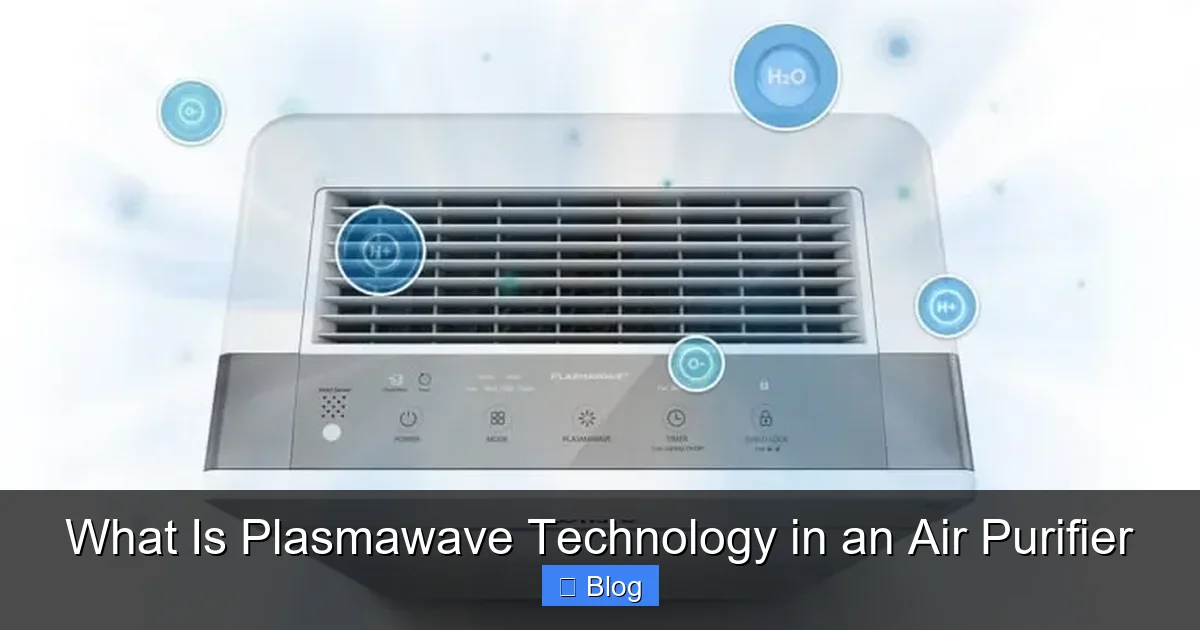
Visual guide about What Is Plasmawave Technology in an Air Purifier
Image source: winixeurope.eu
Neutralizing Odors Effectively
Pet odors are perhaps the biggest challenge for any pet owner. Whether you have a golden retriever or a rescue cat, pet dander and the smells that come with them can settle into your carpets and upholstery.
Because PlasmaWave breaks down the molecules responsible for these odors, it doesn’t just mask the smell with a synthetic fragrance; it eliminates the scent-causing particles entirely. Your home will smell genuinely clean, not just “perfumed.”
Safety and Ozone Concerns
Addressing the “Ozone” Myth
One of the most common questions surrounding this technology is: “Is it safe?” In the past, some air cleaning technologies were criticized for producing high levels of ozone, which can be a respiratory irritant. It is important to know that in 2026, PlasmaWave technology is strictly tested to be ozone-compliant. The amount of ozone produced is well below the safety limits set by major health organizations.
Is It Always Running?
Most manufacturers recognize that every home is different. Because of this, you can typically turn the PlasmaWave feature on or off with the press of a button. If you are sensitive to electronics or just prefer a standard mechanical filter during certain times of the day, you have that flexibility. It is designed to be an optional boost, not a constant requirement for your unit to function.
Practical Tips for Getting the Best Results
Placement is Everything
To get the most out of your PlasmaWave-equipped purifier, don’t hide it in a corner. These units work best when there is good airflow around them. Try to place your air purifier in the center of the room or at least a few feet away from walls. This allows the air to circulate freely through the device, ensuring the hydroxyls have plenty of time to interact with the air in your living space.
Combining Technologies for Maximum Impact
Think of your air purifier as a team. The pre-filter grabs the hair and large dust, the HEPA filter grabs the tiny particles, and the PlasmaWave acts as the “closer.” To keep your system running at peak performance, make sure you still replace your HEPA filters on schedule. While PlasmaWave doesn’t need to be replaced, it can only do its job effectively if the other layers of your purifier are clean and functioning properly.
Debunking Myths and Looking to the Future
It Is Not a “Magic” Wand
While this tech is impressive, it’s not a magic shield against every single germ in existence. It works best when paired with good home hygiene. If you have an overflowing trash can or a spill on the carpet, the purifier will help with the smell, but you still need to clean the source of the mess. Use your purifier as a tool to improve the overall baseline quality of your air, rather than an excuse to skip routine home maintenance.
The Evolution of Air Care by 2026
As we move through 2026, we are seeing more smart integration. Many modern purifiers can now detect air quality changes in real-time. If you start burning toast, the sensor will pick it up, increase the fan speed, and kick the PlasmaWave into high gear to clear the smoke and smell. It is this marriage of smart sensing and molecular cleaning that makes current air purifiers much more efficient than the models of five or ten years ago.
Conclusion
So, what is PlasmaWave technology in an air purifier? It is a sophisticated, safe, and highly effective way to level up your indoor air quality. By harnessing the power of hydroxyls to break down pollutants at the molecular level, it fills the gaps left by traditional filters, ensuring that your home environment is as fresh as a spring breeze.
Whether you are dealing with pet odors, pesky VOCs, or just want to breathe a little easier, this technology is a fantastic addition to your wellness toolkit.
Choosing an air purifier in 2026 is about more than just numbers on a box; it is about creating a sanctuary. With PlasmaWave, you aren’t just trapping dust you are actively creating a healthier space for you and your family. Keep your filters clean, place your unit wisely, and enjoy the peace of mind that comes with knowing your air is truly clean.
Frequently Asked Questions
Does PlasmaWave technology produce dangerous amounts of ozone?
No, modern units featuring PlasmaWave technology are strictly tested and certified to be ozone-compliant. They produce negligible amounts of ozone that fall well within safe, healthy limits for indoor use.
Can I turn off the PlasmaWave feature while the purifier is running?
Yes, most air purifiers equipped with this technology include a dedicated button that allows you to toggle the PlasmaWave feature on or off independently of the fan speed.
Does PlasmaWave need to be replaced or cleaned like a filter?
No, PlasmaWave is an electronic, non-consumable process. Unlike HEPA or carbon filters, it does not require replacement parts or maintenance, making it very cost-effective over time.
How does it differ from a standard HEPA filter?
A HEPA filter is a physical barrier that captures particles like dust and dander, whereas PlasmaWave is an active process that breaks down odors, gases, and chemical pollutants at a molecular level.
Is this technology suitable for households with pets?
It is excellent for pet owners because it excels at breaking down the molecules responsible for stubborn pet odors. This helps neutralize smells that standard filters might otherwise miss.
Should I still use a HEPA filter if I have PlasmaWave?
Absolutely. PlasmaWave is designed to be a supplement to, not a replacement for, high-quality physical filtration. The best results come from using both systems together to trap particles and neutralize gases simultaneously.