What Are The Best Bathroom Rugs: Buying Guide
The best bathroom rugs in the United States are low-pile, absorbent, quick-drying, machine-washable rugs with a stable backing. For most homes, a cotton or microfiber bath rug is the best all-around choice. A low-profile rug with strong grip is often safer than a thick, plush style.
The right choice depends on your bathroom floor, moisture level, laundry routine, and the people who use the room. A small apartment bathroom may need a fast-drying microfiber mat. A family bathroom may need washable cotton. A home with older adults may need a thin rug that lies flat and does not slide.
This guide explains the best bathroom rug types, the features that matter, and the mistakes that can lead to odors, mildew, or trips.

Quick Answer: Which Bathroom Rug Is Best?
For most U.S. bathrooms, choose a machine-washable cotton or microfiber rug with a low pile, a firm edge, and a tested non-slip backing.
Here is a simple comparison:
| Bathroom rug type | Best for | Main strength | Main limit |
|---|---|---|---|
| Cotton | Everyday use and classic style | Absorbs water well and often washes easily | Can stay wet if it does not dry well |
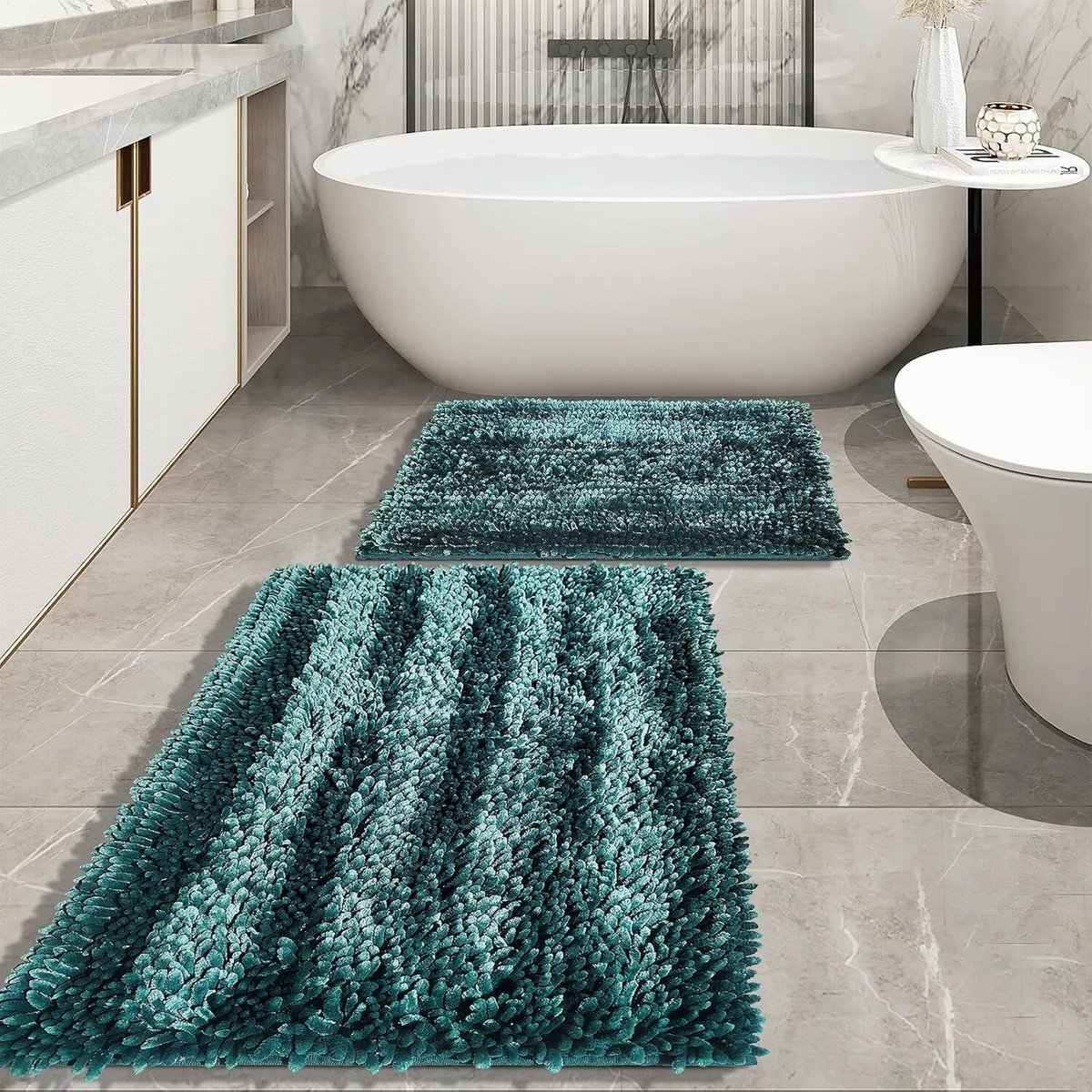
| Microfiber | Fast drying and frequent use | Dries quickly and feels soft | May collect lint and need careful washing |
| Memory foam | Cushion underfoot | Soft and comfortable | Can hold moisture and may dry slowly |
| Bamboo or wood slat | Dry, spa-style bathrooms | Water does not soak into fabric | Can feel hard and may become slippery |
| Diatomaceous earth | People who want a firm, quick-drying surface | Water evaporates from the surface | Can crack and may not suit children or bare feet |
| Rubber or PVC-backed mat | Extra floor protection | Helps contain splashes | Some backings can damage floors or smell |
A bathroom rug is not automatically safe because it has a rubber backing. The backing must grip your specific floor, remain flat, and stay in good condition.
The Best Bathroom Rug Types by Need
The “best” bathroom rug is the one that fits the room and the way you use it. No single material performs best in every home.
Best overall: washable cotton
Cotton is a strong default for most bathrooms. It absorbs water well, feels comfortable, and is available in many sizes and colors. Many cotton bath rugs can go into a washing machine, but always follow the care label.
Cotton works well in a bathroom used by one or two people. It may not be the best fit for a busy family bathroom if the rug stays damp for much of the day.
Choose cotton when you want:
- A soft, familiar feel
- Good water absorption
- Easy washing
- A wide range of styles
- A rug that can match towels and shower curtains
Avoid very thick cotton rugs if your bathroom has poor ventilation. A thick rug can take longer to dry and may develop a musty smell.
Best for fast drying: microfiber
Microfiber rugs are made with very fine synthetic fibers. They can feel soft while drying faster than many thick cotton rugs. This makes them useful in bathrooms with frequent showers, limited airflow, or no space to hang a rug.
Microfiber is also often light and easy to move. That can help when you need to wash the rug often.
Choose microfiber when you want:
- A light rug that dries quickly
- A soft feel without a very thick pile
- Frequent washing
- A rug for a small or poorly ventilated bathroom
Check the care instructions before washing. Heat can damage some synthetic fibers or weaken the backing.
Best for comfort: memory foam
Memory foam rugs offer a cushioned feel. They may feel pleasant beside a vanity or sink where you stand for a few minutes. However, foam can slow drying, especially when the rug is thick.
A memory foam rug may suit a dry half-bath or a bathroom with strong ventilation. It is less suitable when several people step out of a shower onto the same rug each day.
Choose memory foam only if:
- Comfort matters more than fast drying
- The rug has a stable, flat base
- The room has good airflow
- You can wash and dry it as directed
Do not assume that a thick rug is safer. A thick edge can catch a toe, and a soft rug can shift underfoot.
Best for a dry, modern look: bamboo or wood slats
Bamboo and wood bath mats sit above the floor on slats or a raised frame. Water can drain through the gaps instead of remaining in fabric. They can suit a bathroom with a clean, spa-style design.
These mats do not provide the same soft, warm feel as textile rugs. They also need a stable surface. Water, soap, and floor residue can reduce traction.
Use one only when:
- The slats remain stable on your floor
- The surface does not rock
- The room user can step onto it safely
- You can clean and dry it often
Best for quick surface drying: diatomaceous earth
Diatomaceous earth bath mats are hard mineral boards designed to absorb water at the surface and dry quickly. They are not fabric rugs. Some people like them because they do not become soaked like thick cloth.
They also have limits. A board can crack if dropped. Some models need sanding or cleaning as directed by the maker. A hard surface may be less comfortable and less forgiving than cotton or microfiber.
Do not use a cracked mat. Replace it if sharp edges or unstable sections develop.

What Features Make a Bathroom Rug Safe?
A safe bathroom rug should stay flat, resist unwanted movement, and dry between uses. Absorbency matters, but stability matters more when the rug sits near a shower, tub, or toilet.
Look for a low profile
A low-profile rug has a short, dense pile. It creates less of a step at the edge and is easier for doors to clear.
Measure the gap under the bathroom door before buying a thick rug. A rug that blocks the door can bunch up or move when the door opens.
Low-profile rugs also tend to dry faster than deep, shaggy rugs.
Choose a backing that suits your floor
Backings may use latex, rubber, PVC, silicone, or fabric. These materials do not behave the same way on every floor.
A backing can:
- Grip tile or stone
- Slide on smooth vinyl
- Leave marks on some floors
- Trap moisture against wood
- Break down after repeated washing
Follow the flooring and rug maker’s instructions. If you have wood, laminate, or luxury vinyl plank flooring, check whether the backing is approved for that surface. Moisture trapped under a rug can cause problems even when the top looks dry.
Inspect the edges
The rug should lie flat after you place it. Avoid curled corners, loose binding, and raised seams.
A loose edge can catch a bare foot. A curled corner can become worse after washing. Smooth binding around the full edge helps the rug hold its shape.
Consider a non-slip pad
Some rugs need a separate pad. A pad may improve grip, but it can also add height and hold moisture.
Use a pad only if:
- The rug maker allows it
- The pad is sized correctly
- It does not curl at the edges
- It is suitable for your floor
- You can lift and dry both pieces
Never use a pad as a substitute for a damaged backing. Replace a rug that slides, even after cleaning.
Test the rug before regular use
Place the rug on a clean, dry floor. Walk across it slowly with dry feet. Check whether it moves, bunches, or catches on the door.
Then test it after the floor becomes slightly damp. Do not deliberately create a dangerous wet surface. The goal is to check normal bathroom use, not to prove a rug is slip-proof.
No household rug can remove every fall risk. The U.S. Consumer Product Safety Commission provides product safety information and recall notices at CPSC.gov.

How to Choose the Right Bathroom Rug Size
The best bathroom rug size depends on the space in front of the shower, tub, sink, and toilet. Measure first rather than buying by appearance.
Common U.S. bath rug sizes include:
- 17 by 24 inches: Small spaces, toilet areas, and narrow powder rooms
- 20 by 30 inches: A common size in front of a sink or shower
- 24 by 36 inches: More coverage beside a tub or double vanity
- 30 by 50 inches or larger: Large bathrooms and open vanity areas
These are common ranges, not fixed standards. Manufacturers may use different dimensions.
Use one rug or several?
One rug can create a clean look and reduce the number of edges on the floor. Several smaller rugs can work better when the sink, shower, and toilet are far apart.
Choose several rugs when:
- Each area needs separate coverage
- You want to wash one rug while using another
- A large rug would block the door
- A single large piece would be hard to lift
Use one rug when:
- The room has an open floor plan
- You can keep all edges flat
- The rug will not sit under a swinging door
- You want fewer seams and corners
Do not place a rug where it blocks a toilet base, cabinet door, or heater. Keep enough open floor to walk around the bathroom without stepping on a wet edge.
A simple measurement method
- Measure the open floor length.
- Measure the open floor width.
- Mark door swings and cabinet openings.
- Subtract space needed for clear movement.
- Compare the remaining area with the rug’s exact dimensions.
For a 36-inch-wide vanity, a 20-by-30-inch rug may cover the standing area without reaching the cabinet corners. This is a planning example, not a rule for every room.

Which Bathroom Rug Material Is Easiest to Keep Clean?
Cotton and microfiber are usually the easiest fabric choices because many versions can be machine washed. The care label controls the safe method. Some backings cannot handle high heat, bleach, or a dryer.
Wash bathroom rugs often enough to keep them dry and clean
The right washing schedule depends on use, humidity, and how fast the rug dries. A rug used by several people may need washing more often than one used in a guest bathroom.
Wash the rug when it:
- Smells musty
- Feels damp for long periods
- Shows visible soil
- Has mildew spots
- Has been exposed to body fluids or cleaning chemicals
Do not put a visibly moldy rug back into service without cleaning it properly. If the material cannot be cleaned fully, replace it.
Dry the rug fully
A clean rug can still become a problem if it remains damp. Hang it over a bar or drying rack when the care label permits. Spread it flat enough for air to reach both sides.
Ventilation helps. Use the bathroom exhaust fan during a shower and for the time recommended by the fan or home-care guidance. The U.S. Environmental Protection Agency discusses indoor moisture and mold control at EPA.gov.
Do not place a wet rug on a wood floor to dry. Lift it first and check the floor below.
Avoid common care mistakes
- Do not use hot water unless the care label allows it.
- Do not use chlorine bleach on a colored rug unless the maker permits it.
- Do not dry rubber-backed rugs at high heat.
- Do not fold a damp rug and leave it in a hamper.
- Do not use fabric softener if it reduces the rug’s absorbency.
- Do not mix cleaning products.
If a rug has a strong chemical odor after washing, air it out in a safe, well-ventilated place. Stop using it if the odor continues or causes irritation.

Are Rubber-Backed Bathroom Rugs Safe for All Floors?
No. A rubber-backed rug may work well on some tile floors but cause problems on other surfaces.
The main concern is trapped moisture and chemical interaction. A backing can hold water against the floor. Some backing materials can also leave marks, stain finishes, or react with floor coatings.
Before use, check:
- The bathroom floor material
- The rug backing material
- The floor manufacturer’s care guide
- The rug manufacturer’s warnings
- Whether the rug must be lifted often to dry
Tile and stone
Tile and stone often provide a firm base, but grout lines can affect grip. A rug may slide more on polished stone or glossy tile than on textured tile.
Clean the floor under the rug. Soap film, dust, and hair can reduce traction.
Vinyl and luxury vinyl plank
Some vinyl floors can react to rubber or latex. Follow the flooring maker’s instructions. If the product guide warns against rubber-backed mats, choose a compatible backing or a rug with a separate approved pad.
Wood and laminate
Moisture control is especially important. Do not leave a damp rug in place for days. Lift it during cleaning and check for condensation, discoloration, or a soft floor surface.
If the floor shows swelling, staining, or a change in texture, stop covering the area and contact a flooring professional.
Heated floors
A rug can change how heat moves from a heated floor. It may also trap heat. Check the heated-floor maker’s instructions before using a thick or rubber-backed rug.

Bathroom Rugs for Children, Older Adults, and Pets
A rug that works for one household may be a poor choice for another. User needs should change the design decision.
For older adults
Choose a low-profile rug that lies fully flat. Avoid loose corners, thick edges, and rugs that slide when stepped on.
A rug is not a substitute for grab bars, good lighting, or a dry floor. If a person has balance problems or has fallen before, a qualified health or home-safety professional can help assess the bathroom.
The CDC offers fall-prevention information for older adults at CDC.gov.
For children
Choose a washable rug with a stable base and no loose decorative parts. Children may step on a rug with wet feet, pull at its edges, or leave toys nearby.
Avoid very heavy rugs that are hard to lift and dry. Clean spills at once and keep the walking path clear.
For pets
Pet hair can collect in deep pile. A low-pile microfiber or cotton rug may be easier to vacuum and wash.
If a pet has accidents, use a rug that can handle the required cleaning method. Replace the rug if odor remains after proper washing.

Common Bathroom Rug Mistakes to Avoid
Many bathroom rug problems come from choosing for looks alone. A beautiful rug can still be a poor fit if it stays wet or moves underfoot.
Buying a shag rug for a wet shower area
Long fibers feel soft, but they can dry slowly and trap hair, dust, and moisture. Use shag styles only in areas that remain fairly dry.
Covering the whole floor
A large rug can reduce open walking space. It may also block doors, cabinets, or floor vents. Measure the room before buying.
Trusting the words “non-slip”
“Non-slip” is not a universal performance grade. Different floors, moisture levels, and cleaning products can change how a rug behaves.
Look for a flat fit and test the rug at home. Replace it if it moves.
Leaving a rug in one place
Lift the rug during cleaning. Check both sides and the floor below. This simple habit can reveal trapped moisture before it damages the floor.
Ignoring the backing after washing
A backing can crack, peel, or become brittle. Do not keep using a rug when the backing leaves flakes, curls, or creates hard ridges.
Putting a rug over an existing hazard
A rug cannot safely cover a raised tile, wet floor, loose threshold, or damaged subfloor. Fix the floor problem first.

A Simple Bathroom Rug Buying Checklist
Before you buy, check these points:
- Size: Does it fit without blocking doors or cabinets?
- Pile: Is it low enough to reduce trip and door-clearance problems?
- Absorbency: Will it handle the water that reaches the floor?
- Drying: Can it dry between uses in your bathroom?
- Backing: Is it suitable for your floor?
- Stability: Does it lie flat without curled corners?
- Cleaning: Can you wash it as often as needed?
- Weight: Can you lift and move it for cleaning?
- Heat care: Can the backing handle the dryer setting you plan to use?
- Replacement: Will you know when the backing or fibers have worn out?
If you are unsure between two rugs, choose the one that is easier to dry and wash. A slightly less plush rug is often more practical than one that stays damp.
Key Takeaways
- The best bathroom rugs for most U.S. homes are low-profile, washable, absorbent, and stable.
- Cotton is a good general choice; microfiber is useful when fast drying matters.
- Memory foam offers comfort but may dry slowly.
- Rubber-backed rugs are not suitable for every floor.
- Measure door swings, cabinets, and walking paths before buying.
- Lift and dry the rug often, especially on wood, laminate, and vinyl floors.
- Replace any rug with curled edges, cracked backing, strong odor, or persistent movement.
FAQs About Bathroom Rugs
What is the best material for a bathroom rug?
Cotton is the best all-around material for many homes because it absorbs water, feels comfortable, and often washes well. Microfiber may be better when fast drying is the main need. The best material depends on ventilation, use, and floor type.
Should a bathroom rug have a rubber backing?
It can, but not for every floor. Rubber or latex may react with some vinyl, wood, laminate, or floor finishes. Check both the rug instructions and the flooring instructions before use.
How often should you wash a bathroom rug?
Wash it when it smells, stays damp, shows soil, or is used heavily. A busy bathroom may need more frequent washing than a guest bathroom. Dry the rug fully after each wash.
Are thick bathroom rugs safer?
Not always. Thick rugs can feel comfortable, but they may dry slowly, block doors, or create a raised edge. A low-profile rug that stays flat is often the safer choice.
Can you put a bathroom rug over a heated floor?
Check the heated-floor manufacturer’s instructions first. Some thick or backed rugs can affect heat transfer or trap heat. Do not assume that every bathroom rug is compatible.
When should you replace a bathroom rug?
Replace it when the backing cracks, peels, curls, or stops gripping; when the edges remain raised; or when odor and stains remain after proper cleaning. A rug that moves underfoot is no longer serving its safety purpose.
Conclusion
The best bathroom rug is not simply the softest or most attractive option. It should match your floor, dry between uses, stay flat, and fit your cleaning routine.
For most U.S. bathrooms, start with a low-profile cotton or microfiber rug. Choose cotton for absorbency and a classic feel. Choose microfiber when quick drying matters most. Before using any rug, confirm that its backing is suitable for your floor and replace it when it becomes unstable or worn.