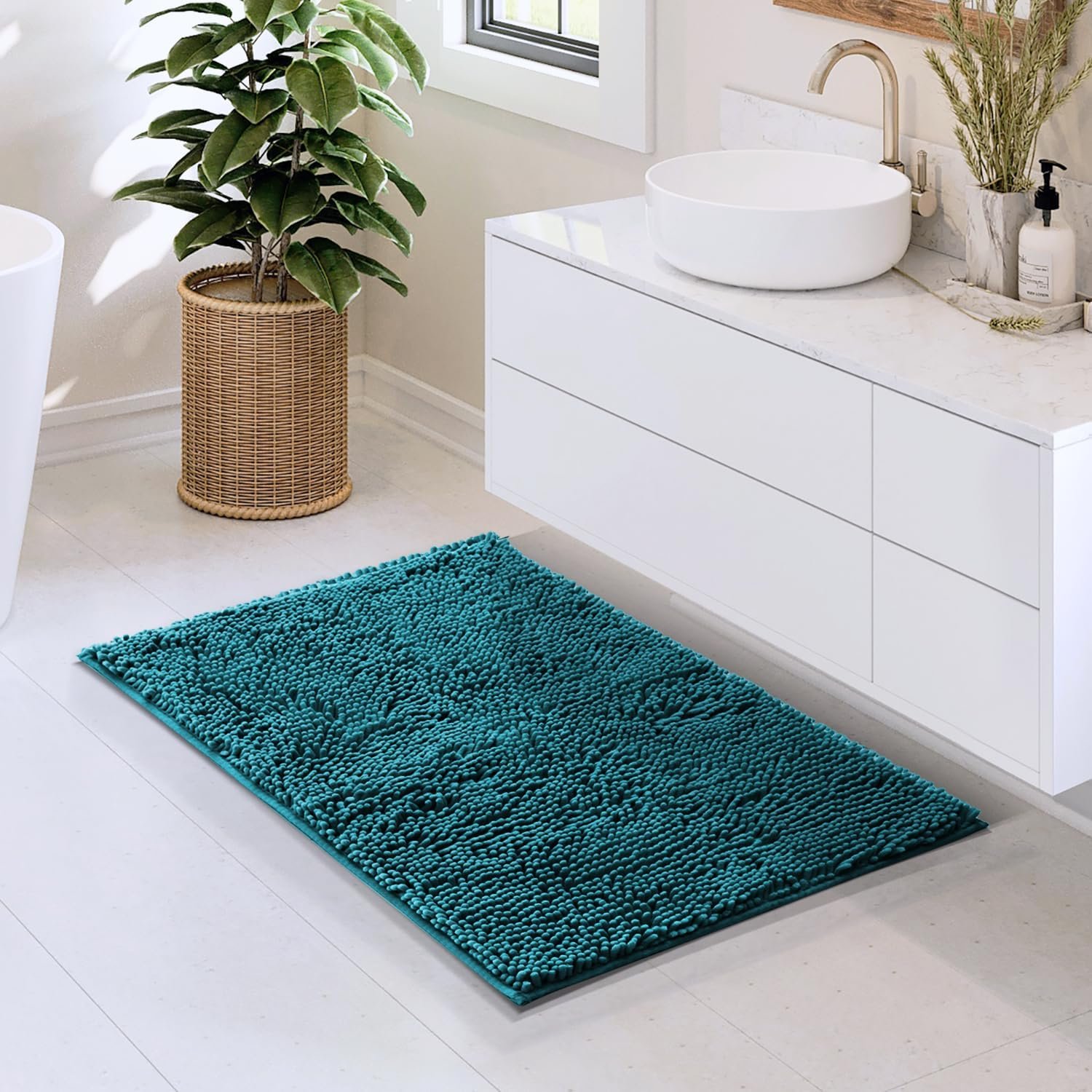
How To Choose Bathroom Rugs: Smart Buying Guide
The best bathroom rug is the one that fits your space, dries fast, stays flat, and matches your cleaning routine. Start by measuring the floor area. Then choose a washable, low- or medium-pile rug with a stable backing that suits your floor type. For the area outside a shower or tub, prioritize water absorption and slip control over appearance alone.
Introduction
Bathroom rugs do more than add color. They can catch drips, make cold floors feel warmer, and help define the space. Yet a rug that stays damp, slides, sheds, or blocks a door can create more problems than it solves.
This guide explains how to choose bathroom rugs for common U.S. homes and apartments. It covers size, material, backing, pile height, care, floor safety, and the difference between a bath mat and a decorative bathroom rug.

Bath Mat vs. Bathroom Rug: Know the Difference
A bath mat is made for wet zones, while a bathroom rug is usually made for comfort and style in drier areas.
| Type | Best location | Main purpose | What to look for |
|---|---|---|---|
| Bath mat | Outside a shower or tub | Absorb water and provide a dry step | Fast-drying fibers, washable design, stable backing |
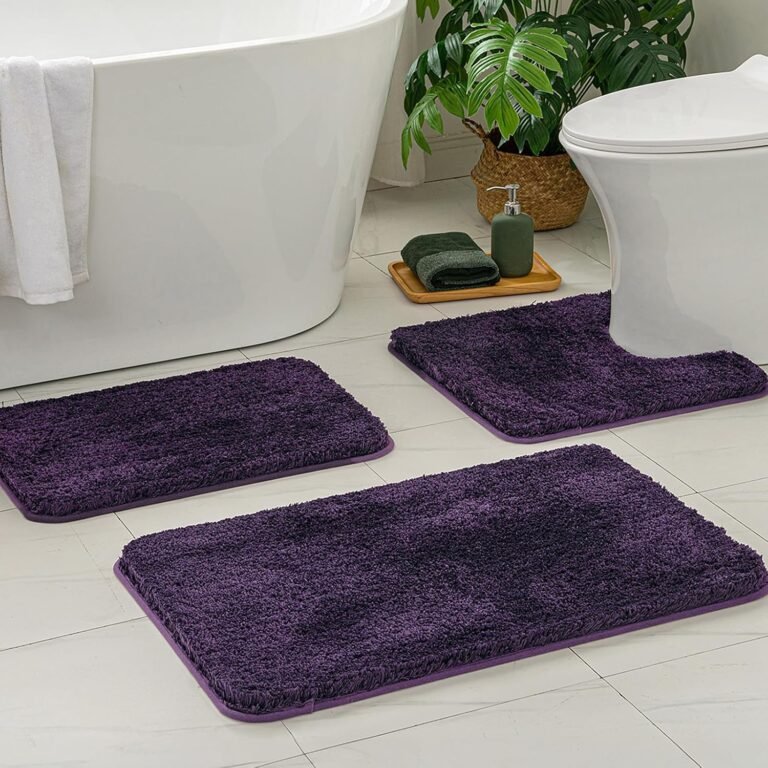
| Pedestal mat | Around the base of a toilet | Fit around a toilet base | Washable fabric and a close fit |
| Bathroom runner | Along a vanity or double sink | Cover a longer floor area | Correct length, low pile, easy cleaning |
| Accent rug | Open floor area | Add color and texture | Style, flat profile, floor compatibility |
| Memory foam mat | In front of a sink or tub | Add cushioning | Stable base and quick-drying construction |
The terms are not always used consistently. A retailer may call a thick bath mat a rug, or label a decorative rug as a bath mat. Read the product details instead of relying on the title.
A bath mat should handle repeated moisture. A decorative rug may not have enough absorbency or grip for a shower exit. If you want one item to do both jobs, choose a washable, water-resistant design with a low profile and a backing approved for your floor.
What makes a good bathroom rug?
A useful bathroom rug should have most of these traits:
- A size that leaves doors and cabinets clear
- A low or medium pile that dries within a reasonable time
- A backing that does not move easily on your floor
- Machine-washable care, when possible
- Colorfast fibers that tolerate regular washing
- A construction that does not curl at the edges
- Materials suited to the amount of water in the area
No rug can remove every fall risk. A rug that moves when stepped on should be removed, replaced, or secured with a product compatible with the floor.

Measure the Bathroom Before You Shop
Measure the open floor area first. The right bathroom rug should cover the place where you stand without touching doors, vents, toilets, or cabinets.
Use a tape measure to record:
- The length and width of the clear floor area.
- The gap under nearby doors.
- The space between the toilet, vanity, tub, and walls.
- The swing path of each door.
- Any floor vents or access panels.
For a rug in front of a sink, measure from the cabinet edge to the nearest obstacle. Leave enough clearance for drawers and doors to open fully.
Common bathroom rug sizes
U.S. rugs are often listed in inches or feet. These sizes are common, but actual dimensions vary by brand:
- Small mat: About 17 by 24 inches
- Medium mat: About 20 by 30 inches
- Large mat: About 24 by 36 inches
- Runner: Commonly 20 to 24 inches wide and 48 to 72 inches long
- Double-vanity rug: Often 20 to 24 inches wide, with length based on the vanity
These are planning ranges, not fixed standards. A 20-by-30-inch mat may fit a small bathroom, but it may be too short for a wide double vanity.
Check door and cabinet clearance
Measure the distance between the floor and the bottom of the door. A thick rug can stop the door from opening or closing. This is common with plush memory foam mats and high-pile rugs.
Also check cabinet doors and drawers. A rug that reaches too far under a vanity can catch on the lower edge. If a mat must sit near a toilet, leave enough room for cleaning and maintenance.
Use a simple layout test
Place painter’s tape on the floor to mark the rug’s planned outline. Open the bathroom door, vanity drawers, and cabinet doors. Walk across the marked area with bare feet.
If the tape shows that the rug crowds a fixture, choose a smaller size or a different shape. This simple test can prevent an expensive return.

Choose the Right Material
The best material depends on how wet the area gets, how often you wash the rug, and how much softness you want.
Cotton
Cotton is a common choice because it feels soft and is often machine washable. It absorbs water well and comes in many colors and patterns.
Its main drawback is drying time. A thick cotton rug can remain damp after several showers, especially in a bathroom with weak ventilation. Hang it to dry between uses and follow the care label.
Microfiber and polyester
Microfiber and polyester rugs often dry faster than dense cotton styles. They can work well in frequently used bathrooms or homes where rugs are washed often.
Their feel varies. Some microfiber mats are plush, while others are thin and smooth. Check the backing and wash instructions because heat can damage certain synthetic fibers or cause backing materials to crack.
Nylon
Nylon is known for durability and resistance to wear. It may suit a busy family bathroom, especially when the rug has a low pile.
Nylon does not automatically mean the rug dries quickly or stays in place. Evaluate the full construction, including absorbency, backing, and care instructions.
Bamboo and wood slats
Bamboo mats and wood slats do not absorb water like fabric. Instead, they lift the foot above the floor and allow air to move underneath.
They may work well in a well-ventilated bathroom, but they can become slippery when wet. Inspect the surface and feet often. Stop using the mat if slats crack, hardware loosens, or the mat shifts.
Memory foam
Memory foam mats feel soft underfoot and can reduce pressure while standing at a sink. They often have a synthetic cover and a foam core.
The thick center can trap moisture and create clearance problems under doors. Memory foam also does not guarantee better traction. Choose one only if the base stays stable and the mat can dry fully.
A material comparison
| Material | Water absorption | Drying speed | Softness | Typical concern |
|---|---|---|---|---|
| Cotton | High | Moderate to slow | High | May stay damp |
| Microfiber | Moderate to high | Often fast | Moderate to high | Can flatten or shed |
| Polyester | Low to moderate | Often fast | Varies | Less absorbent |
| Nylon | Moderate | Moderate | Moderate | Can feel less plush |
| Bamboo | Low | Fast surface drying | Low | May slide when wet |
| Memory foam | Cover-dependent | Slow if thick | High | Traps moisture and adds height |
These are general material traits, not guarantees. Weave density, thickness, backing, room ventilation, and laundering can change performance.

Select a Safe Backing for Your Floor
A bathroom rug should stay where you place it. The backing is one of the most important parts because water, smooth flooring, and bare feet can increase the chance of slipping.
Look for a backing described as non-slip, skid-resistant, or rubberized. These terms are not identical performance standards, so inspect reviews and product instructions carefully. A label alone does not prove that a rug will stay fixed on every floor.
Match the backing to the floor
Different floors can react differently to rubber, latex, PVC, and adhesive products.
- Ceramic or porcelain tile: Many backings work, but dust, soap residue, and grout texture affect grip.
- Luxury vinyl plank or sheet vinyl: Check the flooring warranty and manufacturer guidance before using rubber or latex-backed products. Some backing materials can stain, discolor, or affect the finish.
- Natural stone: Avoid products that may trap moisture or leave marks. Follow the stone supplier’s care instructions.
- Finished wood: Do not allow moisture to remain under the rug. Use a breathable, floor-safe pad only when the flooring maker permits it.
- Laminate: Keep water from collecting beneath the rug and verify that the backing is compatible with the floor finish.
- Heated floors: Check both the flooring and rug instructions before covering the area. A thick mat may affect heat flow.
Do not use a loose towel as a permanent bath mat. Towels can bunch, fold, and slide more easily than a properly designed mat.
Inspect the rug after installation
Place the rug on a clean, dry floor. Smooth out curls and allow the item to lie flat. If the edges stay raised, replace the rug or use a floor-safe solution approved for that surface.
Lift the rug during cleaning. Look for trapped moisture, dark marks, tackiness, or backing breakdown. These signs mean the rug may be harming the floor or losing its grip.
The Consumer Product Safety Commission provides general consumer safety information, but it does not certify every bathroom rug. Use the manufacturer’s instructions and your own inspection together.

Choose a Pile Height That Fits the Space
Pile height is the thickness of the rug fibers or surface. A low pile is usually the most practical choice for bathrooms.
Low pile
Low-pile rugs dry faster and are less likely to block doors. They also make it easier to move a walker, hamper, or cleaning tool across the room.
They may feel less cushioned than a thick mat. For most bathrooms, that trade-off improves drying and reduces clearance problems.
Medium pile
Medium-pile rugs provide more softness while remaining fairly easy to clean. They can work in front of a vanity if the door and drawers have enough clearance.
Choose a medium pile only after checking the underside height, not just the fiber height. The backing can add significant thickness.
High pile
High-pile and shag rugs feel soft but tend to hold more water, dry more slowly, and collect more hair and lint. They are often harder to wash and may curl at the edges.
Use them only in a dry area with good clearance and strong ventilation. They are usually a poor fit directly outside a shower.
Contoured shapes
A U-shaped pedestal mat can fit around a toilet base. However, its cutout can make cleaning harder, and the narrow sections may move more easily.
A rectangular mat is often simpler to wash and replace. Choose a contoured style when it clearly improves fit without creating loose edges.

Build a Cleaning and Drying Routine
The best bathroom rug is one you can clean often enough for the room’s moisture level. A rug that looks attractive but cannot dry or wash well may become a source of odor and buildup.
Follow the care label first. In general:
- Shake out loose hair and dust.
- Wash the rug at the recommended temperature.
- Use only approved detergent and bleach alternatives.
- Dry it fully before putting it back.
- Wash the floor beneath it and let that area dry.
- Inspect the backing before each replacement.
The Environmental Protection Agency explains that moisture control is central to mold prevention. A rug does not cause mold by itself, but a damp rug can keep moisture against the floor and increase the chance of odor or microbial growth.
How often should you wash a bathroom rug?
There is no single schedule for every home. Wash it when it smells, feels damp, shows visible soil, or is used heavily. A shared family bathroom may need more frequent washing than a lightly used guest bathroom.
Hang the rug over a shower bar or drying rack when practical. Do not place a wet rug over a finished wood surface or leave it folded on the floor.
When should you replace it?
Replace the rug when:
- The backing cracks, flakes, or becomes sticky
- The rug slides after cleaning
- The edges stay curled
- The fibers remain damp for long periods
- A persistent odor remains after washing
- The rug shows mildew-like spotting that cannot be removed safely
- The surface has worn thin in a high-traffic area
Do not scrape or sand deteriorating backing indoors. Follow the care instructions and dispose of the rug if the backing continues to break down.

Use This Bathroom Rug Decision Guide
Use the following choices to narrow your options before you shop.
For a small bathroom
Choose a 17-by-24-inch or 20-by-30-inch low-pile mat if it fits without touching the door. A washable cotton or microfiber style is often practical.
For a family bathroom
Choose a durable, machine-washable mat with a stable backing and moderate absorbency. Consider owning two mats so one can be washed while the other is in use.
For a bathroom with poor ventilation
Choose a thin, quick-drying material. Avoid dense memory foam and very thick cotton unless you can remove the rug to dry it after use.
For a double vanity
Measure the full clear length first. A runner may work, but do not force a long rug under the vanity. A pair of smaller mats can be easier to remove and wash.
For children or older adults
Give extra attention to stability, flat edges, and clear walkways. Avoid rugs that move, bunch, or create a raised edge. If someone has a high risk of falling, ask a qualified clinician or occupational therapist about broader bathroom safety changes; a rug alone is not a complete safety plan.
For a rental
Choose a washable rug that does not require adhesive strips or permanent changes. Check the lease and flooring guidance before using any product that bonds to the floor.

Common Bathroom Rug Mistakes
Avoiding a few common errors can make a bigger difference than choosing a more expensive rug.
Buying by color alone
A rug may match the room and still be too thick, too slippery, or too hard to clean. Check measurements and construction before style.
Choosing a rug that is too large
An oversized rug can block a door, cover a vent, or prevent cabinet access. Larger is not always more comfortable.
Ignoring the underside
The face may look dry while the backing holds moisture. Lift the rug during cleaning and inspect both sides.
Using double-sided tape without checking the floor
Adhesive products may leave residue or damage certain finishes. Use only a product approved for the exact flooring type.
Placing a wet rug over wood or vinyl
Moisture trapped below a rug can affect floors over time. Dry the rug and the floor beneath it before replacing it.
Treating “non-slip” as a guarantee
Grip depends on the floor, water, dust, backing condition, and rug placement. Test the rug after installation and remove it if it shifts.

Frequently Asked Questions
Should a bathroom rug go inside or outside the shower?
Place a fabric bath mat outside the shower or tub, where it can catch water as you step out. Do not place a standard fabric rug inside the shower unless the product is specifically designed for wet-area use.
Are rubber-backed bathroom rugs safe for vinyl floors?
They may not be safe for every vinyl floor. Some rubber, latex, or PVC backings can stain or affect vinyl finishes. Check the flooring manufacturer’s instructions and the rug label before use.
Is cotton or microfiber better for a bathroom rug?
Cotton usually feels softer and absorbs more water. Microfiber often dries faster and may suit a busy or poorly ventilated bathroom. The best choice depends on how often the rug gets wet and how easily you can wash and dry it.
How thick should a bathroom rug be?
A low- or medium-pile rug is usually the most practical. Measure the full thickness, including the backing, and compare it with the door and cabinet clearance.
Can I use a regular area rug in a bathroom?
You can use one in a dry area if it has suitable care instructions, does not slide, and tolerates bathroom humidity. Avoid placing a regular area rug where it will receive frequent shower water unless it is designed for that use.
Conclusion
To choose a bathroom rug, measure the space, check door and cabinet clearance, and match the material to the room’s moisture level. Favor washable construction, a stable backing, and a low or medium pile. For the shower exit, drying speed and secure placement matter more than plushness or decorative detail.
Before buying, mark the planned size with painter’s tape and confirm that the rug will not block doors, drawers, vents, or fixtures. Then check the backing against your specific floor and commit to drying and washing it as needed.