What Are Bathroom Rugs For: Benefits And Best Uses
Introduction
In homes across the United States, bathroom rugs help manage water, reduce cold contact with the floor, and make a bathroom more comfortable. They can sit beside a tub, shower, or sink to catch drips before water spreads across tile, vinyl, or wood flooring.
A bathroom rug is useful, but it is not a complete safety device. A rug with a poor grip can slide. A damp rug can also hold moisture, odors, and germs if it is not cleaned and dried often. The best choice depends on where you use it, how much water it receives, and how easy it is to wash.

What Are Bathroom Rugs For?
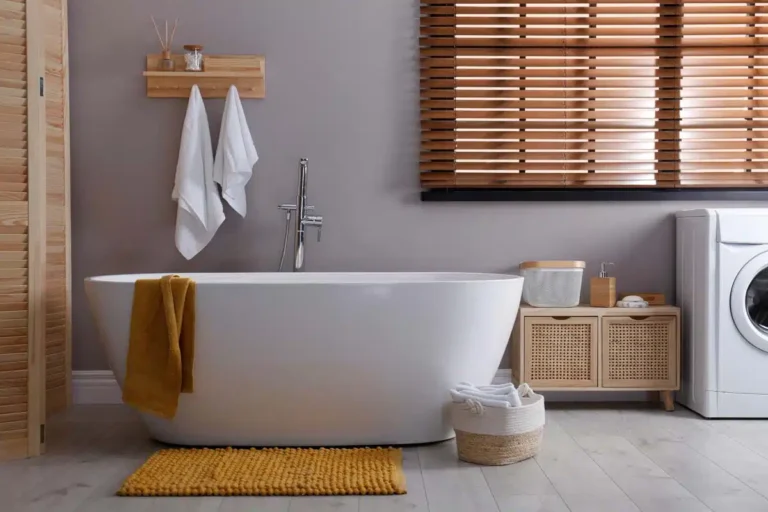
Bathroom rugs are mainly used to absorb water, improve comfort, protect flooring, and add visual warmth. A bath mat is the most common type. It usually goes outside a tub or shower, where wet feet touch the floor.
A bathroom rug may serve several purposes at once:
- Absorb water: It catches drops from wet feet and hands.
- Reduce slip risk: A stable, flat rug can provide better footing than a wet, smooth floor.
- Add comfort: It gives your feet a softer and warmer surface.
- Protect the floor: It can limit water exposure and reduce small scratches from grit.
- Improve appearance: It helps connect the colors and textures in the room.
- Define areas: A rug can visually mark the space near a vanity, tub, or shower.
A rug does not make a wet bathroom floor automatically safe. The Consumer Product Safety Commission identifies bathrooms as places where falls can occur, especially for older adults. A loose rug, curled edge, or wet backing may create a new hazard instead of solving one.
Bathroom rug vs. bath mat
The terms often overlap, but they can describe different products.
- A bath mat is made for wet areas. It is often smaller, more absorbent, and easier to wash.
- A bath rug may be larger and more decorative. It may look like a room rug, but it still needs a stable base if used near water.
- A toilet rug is shaped to fit around a toilet base. These rugs can be harder to clean and may collect moisture around the toilet.
- A shower mat usually goes inside the shower or tub. It needs features made for wet use, such as drainage holes and suction cups, when appropriate for the surface.
The label matters less than the design. A decorative rug is not a good bath mat if it stays wet, slides, or has a backing that the manufacturer says should not be exposed to water.

The Main Benefits of Bathroom Rugs
The main benefit is moisture control near common splash zones. Other benefits involve comfort, floor care, and the look of the room.
They catch water from wet feet
When you step out of a shower, water can drip onto the floor. A thick, absorbent mat catches some of that water before it travels across the room. This helps keep the area around the tub or shower drier.
A mat cannot absorb unlimited water. If it becomes saturated, move it to a dry place and replace it with a clean one. A rug that stays wet may develop a musty odor or support mold growth. The U.S. Environmental Protection Agency advises controlling indoor moisture and drying wet materials promptly.
They improve comfort
Tile and stone floors can feel cold, especially during winter in many parts of the United States. A rug adds a soft layer between your feet and the floor. It can also make standing at a sink more comfortable during tasks such as shaving, styling hair, or washing your face.
Memory foam and thick pile can feel soft, but they may dry slowly. A thin cotton mat may dry faster but provide less cushioning. The right balance depends on how much comfort you want and how often you can wash the rug.
They help protect floors
Water can enter seams, grout lines, and gaps around flooring. Over time, repeated moisture may contribute to staining, swelling, or finish damage on some materials. Bathroom rugs can reduce direct water contact, but they cannot replace good ventilation, sealed joints, or prompt cleanup.
Use extra care with wood and laminate floors. Check the flooring maker’s care instructions before using a rubber or latex-backed rug. Some backings may trap moisture or affect the finish.
They add color and texture
A rug can soften a bathroom filled with hard surfaces. It may also help tie together the vanity, wall color, towels, and shower curtain. This is a design benefit, not a reason to ignore function.
For a small bathroom, one rug near the main wet area may work better than several small pieces. More rugs mean more edges to catch, more items to wash, and more places for moisture to hide.

Where Should You Put a Bathroom Rug?
Place a bathroom rug where water lands or where you stand for a long time. Keep it flat, stable, and far enough from doors that it does not block movement.
Common locations include:
| Location | Useful rug features | Main concern |
|---|---|---|
| Outside a shower | Absorbent, quick-drying, stable | Heavy water load |
| Outside a bathtub | Wide coverage, flat edges | Splashing and stepping over the tub |
| In front of a sink | Low pile, easy to clean | Makeup, soap, and hair |
| In front of a vanity | Comfortable, stable | Chair or cabinet clearance |
| Around a toilet | Washable, moisture-resistant | Hard-to-clean edges and odor |
| Inside a tub or shower | Drainage and wet-area design | Slipping, mildew, and poor suction |
Outside the shower or tub
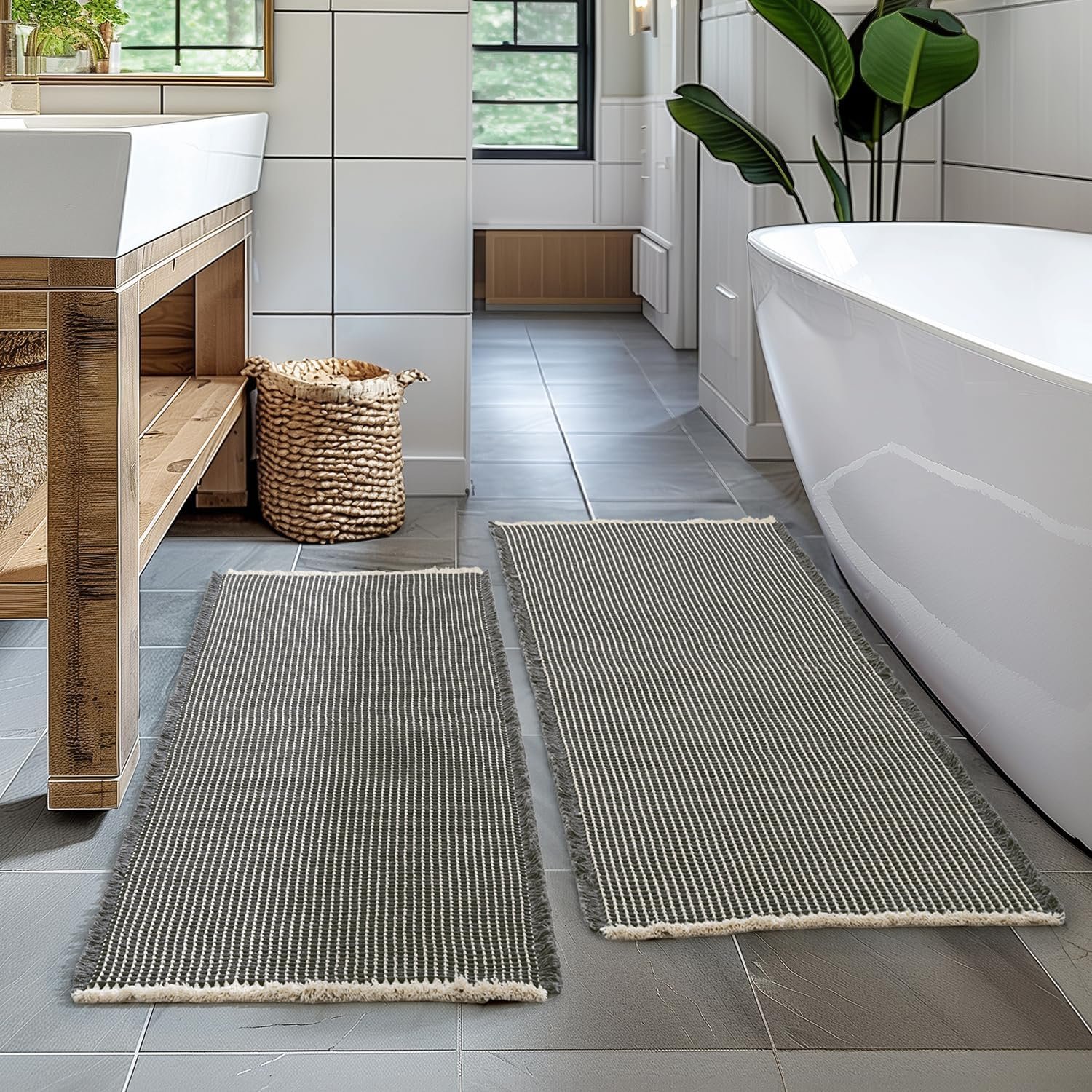
This is usually the most important location. Choose a mat that covers the area where your feet land. It should not extend so far that it becomes a trip point or interfere with the door.
A mat outside a shower should dry between uses. If several people use the same bathroom, consider rotating two washable mats rather than leaving one damp mat on the floor.
In front of a sink
A smaller rug can protect the floor from handwashing splashes and provide comfort while you stand at the vanity. Low-pile designs often work well because cabinet doors and drawers are less likely to catch on them.
Avoid placing a rug where it prevents a vanity door from opening fully. Test the rug with the door, drawers, and bathroom door open.
Around the toilet
Toilet-shaped mats may fit neatly, but their cutout can make cleaning harder. They may also sit near moisture from cleaning or spills. A simple rectangular mat that can go fully into the washer may be easier to maintain.
Do not use a rug to hide a leak, loose toilet, or damaged flooring. Repair the source first.
Inside a shower or tub
A regular bathroom rug should not go inside a shower or tub. Use a product designed for that wet setting. It should allow water to drain and should be compatible with the surface.
Suction cups may not grip well on textured, porous, or uneven surfaces. Clean the floor and the mat as directed. Remove the mat often so you can clean and dry both surfaces.

How to Choose the Right Bathroom Rug
Choose a bathroom rug by checking absorbency, drying speed, grip, size, wash care, and floor compatibility. No single material is best for every bathroom.
Compare common materials
| Material | Strengths | Limits |
|---|---|---|
| Cotton | Soft, absorbent, often machine washable | May dry slowly when thick |
| Microfiber | Dries fairly quickly and feels soft | May need special care |
| Polyester | Resists some stains and offers many designs | Absorbency varies |
| Bamboo or wood slats | Airy and quick to drain | Less soft; can become slippery |
| Diatomaceous earth | Firm and designed to dry quickly | Can crack; needs proper cleaning |
| Memory foam | Cushioned underfoot | May hold water and dry slowly |
Material names do not guarantee performance. Construction, thickness, backing, and ventilation also matter.
Check the backing
A bathroom rug should stay in place without damaging the floor. Look for a backing that the rug and flooring manufacturers approve for your surface.
Avoid assuming that “non-slip” means “slip-proof.” Dust, soap, water, floor wax, and worn backing can reduce grip. A loose rug can slide even when its label makes a safety claim.
Do not use double-sided tape, adhesive pads, or rubber products unless the flooring maker allows them. Adhesives and plasticizers may mark some vinyl, wood, or finished floors.
Measure before buying
Measure the open floor area, not just the space you want to cover. Leave enough clearance for doors, drawers, and cabinets.
For example, if a vanity door swings over the floor, a thick rug may stop it from opening. A lower-profile mat may solve the problem without reducing coverage.
Think about cleaning
A rug is more useful when you can clean it often. Before buying, check:
- Whether it can go in a washing machine
- Whether it needs cold water or a special detergent
- Whether it can go in a dryer
- Whether the backing can tolerate heat
- Whether it must air-dry
- Whether the color may bleed
- Whether the care label limits bleach or fabric softener
A rug that looks good but cannot dry fully may be a poor fit for a busy bathroom.

How to Use Bathroom Rugs Safely
Use bathroom rugs safely by keeping them flat, dry, clean, and compatible with the floor beneath them.
- Place the rug on a clean, dry floor. Dirt and water can reduce traction.
- Smooth all edges and corners. Replace the rug if it curls or loses its shape.
- Check it before stepping on it. A shifted mat needs attention before use.
- Keep it away from door swings. The rug should not bunch under a door.
- Dry wet rugs promptly. Hang them or place them where air can reach both sides.
- Wash them as directed. Do not wait for a strong odor.
- Inspect the backing. Replace a mat with cracks, peeling, or hardened material.
- Use other safety tools when needed. Grab bars, improved lighting, and a handheld shower may help more than a rug for someone at high risk of falling.
A rug is not a substitute for a grab bar. Do not use a towel bar as a support rail. If a person has trouble standing, turning, or getting out of a tub, ask a qualified occupational therapist or another appropriate health professional about safer bathroom changes.

How to Clean and Maintain Bathroom Rugs
Clean bathroom rugs based on how wet and dirty they become. A lightly used sink mat may need less frequent washing than a shower mat used by several people each day.
A simple care routine
- Shake or vacuum loose hair and debris.
- Read the care label before washing.
- Wash the rug at the recommended temperature.
- Use the approved detergent.
- Skip fabric softener if the maker warns that it reduces absorbency.
- Dry the rug fully before putting it back.
- Clean the floor beneath the rug.
- Wash or wipe the backing as directed.
Never return a damp rug to the floor. If the rug smells musty after washing, it may not be drying well or may need replacement.
When to replace a rug
Replace a bathroom rug when:
- The backing cracks, flakes, or becomes sticky.
- The edges curl and do not flatten.
- The rug moves when you step on it.
- The fibers remain damp for long periods.
- Washing no longer removes odor.
- Mold or mildew remains after proper cleaning.
- The rug blocks a door or creates a trip point.
If mold covers a large area or keeps returning, address the moisture source. The EPA recommends fixing leaks, improving ventilation, and reducing indoor moisture rather than only cleaning visible growth.

Common Bathroom Rug Mistakes
Many bathroom rug problems come from choosing for appearance alone. These mistakes are easy to avoid.
Using a regular area rug beside a shower
A standard area rug may lack water resistance, fast drying, or a stable backing. Use it only when the room layout keeps it away from frequent splashes and the care instructions support that use.
Covering the whole floor with rugs
Several rugs can make a bathroom feel cozy, but they add seams, edges, and damp spots. Use the fewest rugs needed for coverage and comfort.
Leaving a wet mat in place
A wet mat can transfer moisture to the floor below. Hang it after heavy use or rotate it with a dry mat.
Trusting a label without checking the floor
“Non-slip” describes an intended feature, not a guarantee in every condition. Check the product details, your floor manufacturer’s guidance, and the rug after installation.
Putting a thick rug under a door
A thick mat can catch on the door and bunch up. Open and close the door several times after placing the rug.
Using a bath mat inside a shower
A mat made for outside the shower may not drain water or grip a wet surface. Use a shower-specific product inside the tub or shower, and inspect its condition often.

Bathroom Rug Decision Guide
Use this quick guide to match the rug to the space:
- For a shower exit: Choose an absorbent, washable mat with a stable, floor-safe backing.
- For a tub: Choose a mat wide enough for the landing area and flat enough to avoid a trip.
- For a sink: Choose a low-profile rug that will not block cabinets or drawers.
- For a cold floor: Choose a comfortable material, but confirm that it dries fully.
- For children or older adults: Focus first on stability, clear walking space, lighting, and approved grab bars.
- For wood or laminate: Check floor-care instructions before using any rubber, latex, or waterproof backing.
- For a busy household: Keep two or more washable mats in rotation.
- For a small bathroom: Use one well-placed mat instead of several small rugs.
The best bathroom rug is not simply the thickest or most absorbent. It is the one that stays flat, dries between uses, fits the room, and can be cleaned without damage.

Frequently Asked Questions
Are bathroom rugs necessary?
No. A bathroom can work without rugs if the floor stays dry and the surface is comfortable and safe. A rug is helpful when you want to catch water, add warmth, protect flooring, or improve comfort near a sink, tub, or shower.
Should a bathroom rug go inside or outside the shower?
A regular bathroom rug should go outside the shower. Use a mat made for wet interiors inside a tub or shower. It must drain water and remain compatible with that surface.
How often should bathroom rugs be washed?
Wash them whenever they become dirty, damp, or odorous. A shower mat used every day may need frequent washing, while a lightly used sink rug may need less. Follow the care label and dry the rug fully after washing.
Are rubber-backed bathroom rugs safe for all floors?
No. Rubber and latex backings may not suit every wood, laminate, vinyl, or finished floor. Check the flooring and rug instructions. Moisture trapped beneath the backing can also cause problems.
What is the safest type of bathroom rug?
No type is safe in every bathroom. A safer choice is usually a flat, stable, washable rug that fits the space, does not curl, dries well, and has a backing approved for the floor. People at high risk of falling may need broader bathroom safety changes.
Conclusion
Bathroom rugs are made to catch water, improve comfort, protect floors, and add style. Their value depends on proper placement and care.
Choose a rug that fits the wet area without blocking doors or cabinets. Keep it flat and dry. Wash it as directed, inspect the backing, and replace it when it becomes unstable or holds odor. For the safest bathroom, treat a rug as one small part of a larger plan that includes clear floors, good lighting, and suitable support equipment.