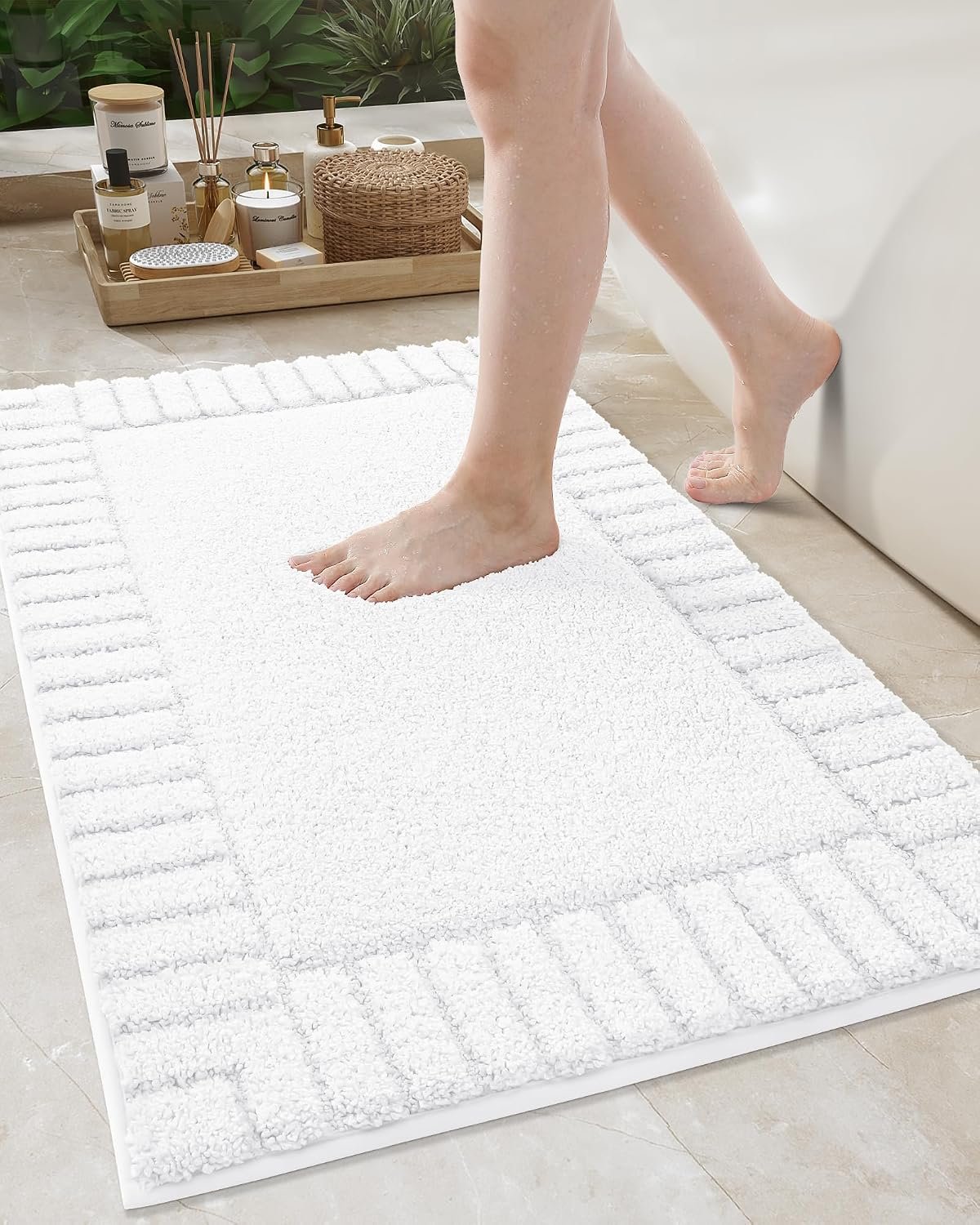
Where To Launder A Large Bathroom Rug: Best Options
A large bathroom rug is usually best washed at a self-service laundromat with oversized commercial washers or by a professional rug-cleaning service. Do not force it into a small home washer. A wet rug can become very heavy and may damage the machine.
Start by checking the care label. It will tell you whether the rug is machine washable, washable by hand, dry-clean only, or unsafe for certain cleaning methods. Rubber-backed, memory-foam, wool, and jute rugs need extra care.
The best place to wash a large bathroom rug
The best location depends on the rug’s material, backing, size, and care label.
| Rug type | Best cleaning option | Main reason |
|---|---|---|
| Cotton or polyester, machine washable | Commercial laundromat washer | Large drums give the rug room to move |
| Rubber-backed rug | Laundromat only if the label allows machine washing | Heat and tumbling can crack or peel the backing |
| Memory-foam bath mat | Hand wash or professional cleaner | The foam may break apart in a washer |
| Wool rug | Professional rug cleaner | Wool can shrink, felt, or lose its shape |
| Jute, sisal, or other plant fiber | Professional cleaner | Water can cause swelling, stains, and distortion |
| Silk, antique, or handmade rug | Specialist rug cleaner | Fragile fibers need controlled treatment |
| Rug marked “dry clean only” | Dry cleaner that accepts area rugs | Home or laundromat washing may cause permanent damage |
Option 1: A laundromat with oversized washers
A laundromat is often the most practical choice for a washable large bathroom rug. Look for a location with commercial front-load washers. These machines usually have more space than a standard home washer.
Call before you go. Ask these questions:
- Do you allow bathroom rugs or area rugs?
- What is the largest washer size?
- Are rubber-backed rugs accepted?
- Can I use a low-heat or air-dry setting?
- Do you have large dryers, or should I take the rug home to dry?
Some laundromats ban rugs because loose backing, sand, pet hair, or excess water can damage their equipment. Their rules vary by location.
Option 2: A professional rug-cleaning service
Use a professional cleaner when the rug is expensive, fragile, heavily stained, or difficult to identify. This is also the safer choice for wool, jute, silk, antique rugs, and rugs with loose or damaged backing.
Ask whether the company cleans rugs in a plant, on-site, or through low-moisture cleaning. These methods are not interchangeable. The right method depends on the fiber and backing.
A professional cleaner should inspect the rug before cleaning. Ask about:
- Fiber identification
- Color-bleed testing
- Backing condition
- Stain treatment
- Drying method
- Pickup and delivery
- What happens if the rug shrinks or the backing fails
Option 3: A dry cleaner that accepts rugs
Some dry cleaners accept small washable rugs or specialty area rugs. Many do not. “Dry clean only” does not always mean a standard garment dry cleaner is equipped to handle the item.
Call first and give the rug’s:
- Length and width
- Fiber type
- Backing type
- Care-label instructions
- Stain or odor problem
a cleaner may refer you to a rug specialist instead.

Check the rug before taking it to a laundromat
Read the care label and inspect the rug before washing it. The label matters more than the rug’s size or appearance.
Look for these care instructions
Common labels include:
- Machine wash: The rug can be washed in a machine under the listed conditions.
- Gentle cycle: Use low agitation and a mild setting.
- Cold water: Avoid warm or hot water.
- Line dry: Do not use a dryer.
- Do not bleach: Avoid chlorine and often oxygen bleach as well.
- Dry clean only: Use a qualified professional.
- Do not wash: The rug may need vacuuming or spot cleaning only.
If the label is missing, treat the rug as delicate. A fiber specialist or rug cleaner can help identify it.
Inspect the backing
Turn the rug over and check for:
- Cracks
- Flaking
- Sticky areas
- Peeling
- Bare patches
- Loose threads
- Warped edges
- A strong rubber smell
A damaged rubber backing may break apart during washing. Small flakes can clog a washer or dryer. The backing can also stick to the drum or leave residue.
Do not machine-wash a rug with a backing that is already peeling. Replace it or ask a professional cleaner for advice.
Measure the rug while it is dry
Measure the rug’s length and width. Also note its weight if the label provides one.
A large rug may fit inside a commercial washer but still be too heavy when saturated. The key question is not simply, “Will it fit?” The question is, “Can the washer safely clean and spin it without being overloaded?”
When in doubt, choose a larger washer or use a professional service.

How to wash a large bathroom rug at a laundromat
Follow the care label first. These steps apply only to rugs labeled machine washable.
1. Shake out and vacuum the rug
Take the rug outdoors or to a clean area. Shake off loose dirt, hair, and sand. Vacuum both sides if possible.
This protects the washer and improves cleaning. Pet hair and grit can stay trapped in the fibers if you skip this step.
2. Pre-treat stains
Blot liquid stains with a clean towel. Do not rub hard, since rubbing can push the stain deeper.
Use a small amount of mild laundry detergent or a product approved for the rug’s fiber. Test it on a hidden area first. Never mix bleach, ammonia, vinegar, or other cleaning chemicals.
For urine, mildew, or sewage contamination, a professional cleaner may be safer. These problems can reach the rug pad and backing.
3. Choose a large front-load washer
Place the rug in the washer without tightly packing it. It should have room to lift and tumble.
Wash the rug alone unless the care label allows a compatible item. Do not add heavy towels just to balance the load. Extra weight can stress the machine and make drying harder.
If the rug fills most of the drum when dry, use a larger machine.
4. Use the correct water temperature
Use the temperature listed on the label. If the label is unclear, cold water is usually the safer starting point for washable synthetic or cotton rugs.
Hot water can:
- Shrink some fibers
- Set certain stains
- Damage rubber backing
- Cause dyes to run
- Break down foam
Cold water does not guarantee stain removal, but it reduces the risk of heat damage.
5. Select a gentle cycle
Choose a gentle or delicate cycle when the label permits it. Use a small amount of mild detergent.
Too much detergent can leave residue. Residue may make the rug feel stiff, attract soil, or cause excess suds in a commercial machine.
Avoid fabric softener unless the care label specifically allows it. Softener can coat fibers and may reduce absorbency.
6. Inspect the rug before drying
Remove the rug as soon as the wash ends. Check the backing, seams, and edges.
Stop if you see:
- Peeling rubber
- New cracks
- Loose threads
- Color bleeding
- Warping
- Torn seams
- A chemical odor
Do not place a damaged rug in a dryer. Heat may make the damage worse.
7. Dry it according to the label
Use the drying method on the care label. Many bathroom rugs should be air-dried or tumble-dried on low heat.
If a dryer is allowed, use low heat and check the rug often. Remove it while slightly damp if the label permits. Then hang it over a clean, ventilated surface.
Do not fold or store the rug while damp. Moisture trapped in the fibers can cause mildew and odor.
Signs the wash worked
A properly cleaned rug should:
- Smell clean rather than strongly perfumed
- Have no visible detergent film
- Lie flat
- Have secure seams
- Show no new backing damage
- Dry fully without a sour odor
If the rug remains damp inside after surface drying, keep drying it with good airflow.

When you should not use a home washer
A home washer is not the right choice for every large bathroom rug. Avoid it when the rug is too large, too heavy, or too delicate for the drum.
Do not use a home washer if:
- The rug nearly fills the drum
- The care label says dry clean only
- The rubber backing is cracked or peeling
- The rug contains memory foam
- The rug is wool, silk, jute, or antique
- The rug has metal trim or glued decorations
- The rug has severe mold, sewage, or chemical contamination
- The washer begins to bang, stop, or show an error
An unbalanced load can cause loud movement and poor spinning. If that happens, stop the cycle. Redistribute the rug only if the machine instructions allow it. Do not keep restarting an overloaded machine.
How much does it cost to launder a large bathroom rug?
The price varies by location, rug size, material, cleaning method, and service level.
A laundromat may charge by the wash cycle. A professional cleaner may charge by square foot, rug type, stain level, pickup service, or minimum order. Dry cleaning may use a different price structure from wet cleaning.
Before choosing a service, ask for the total price. Confirm whether it includes:
- Pre-treatment
- Drying
- Deodorizing
- Stain removal
- Pickup and delivery
- Minimum service fees
- Protective treatments
The lowest price is not always the lowest cost. A failed wash can lead to shrinkage, backing damage, color transfer, or replacement.

Common mistakes to avoid
Do not use a household washer just because the rug fits
A rug can fit inside the drum and still overload the machine when wet. Large commercial washers are built for heavier loads, but their posted rules still apply.
Do not use hot water on rubber-backed rugs
Heat may soften, crack, or separate the backing. Follow the label instead.
Do not pour in extra detergent
More detergent does not always mean a cleaner rug. It can leave a film that traps dirt.
Do not use chlorine bleach without clear label approval
Bleach can weaken fibers and alter colors. It may also damage backing and create dangerous fumes when mixed with other products.
Do not dry a rug that is still shedding backing
The dryer can spread backing particles and increase damage. Stop and switch to professional care.
Do not leave a damp rug on the floor
A wet rug can damage wood, laminate, and some vinyl floors. Dry it on a clean rack, line, or surface with airflow.
Do not assume “bath mat” means machine washable
Some mats contain foam, latex, glued layers, or delicate fibers. The label and construction determine the safe method.

What to do if the rug still smells after washing
A lingering odor usually means moisture, soil, detergent, or contamination remains in the rug or backing.
First, make sure the rug is fully dry. Then inspect the underside. A rubber or foam backing may hold odor even when the surface feels dry.
If the smell is mild, rewash only if the label allows it. Use less detergent and improve drying. If the odor comes from mold, sewage, or pet urine, contact a professional rug cleaner.
Do not cover the odor with perfume or room spray. Fragrance does not remove the source and may make the rug harder to clean.

Frequently asked questions
Can I wash a 5-by-7 bathroom rug at a laundromat?
Often, yes, if the rug is labeled machine washable and the laundromat allows rugs. Use a large commercial washer with enough empty space for the rug to move. Check the backing before washing and follow the drying instructions.
Can I put a rubber-backed bathroom rug in the dryer?
Only if the care label allows it. If permitted, use low heat and check the rug often. Air-drying is safer when the label does not clearly approve machine drying.
Should I wash a large rug by itself?
Usually, yes. Washing it alone reduces dye transfer and gives it more room to move. It also prevents the rug from adding unnecessary weight to an already heavy load.
Can a dry cleaner clean a rubber-backed rug?
Some can, but many do not accept rubber-backed items. Call first and describe the backing. A professional rug cleaner may be better equipped for the job.
How often should a bathroom rug be washed?
Wash frequency depends on foot traffic, moisture, pets, and ventilation. A rug that stays damp, smells sour, or shows visible soil needs cleaning sooner. Regular vacuuming and full drying can reduce how often deep cleaning is needed.
What is the safest choice for a memory-foam bath mat?
Check the label first. Many memory-foam mats should be hand-washed or cleaned with limited moisture. A professional cleaner is a safer choice when the foam is glued to a backing or the label is missing.
Final recommendation
For most large, machine-washable bathroom rugs, use a commercial laundromat washer rather than a standard home washer. Call the laundromat first to confirm its rug policy and machine size.
Choose a professional rug cleaner for wool, jute, silk, antique rugs, memory foam, damaged rubber backing, or serious stains and odors. The care label is the final guide. If the label is missing or unclear, professional advice is safer than guessing.
Before you leave home, shake out the rug, vacuum both sides, measure it, inspect the backing, and ask about the cleaning and drying method. That short check can prevent a ruined rug and a damaged washing machine.