How To Use An Air Purifier: Expert Guide For Fresh Air
To use an air purifier effectively, place it correctly, select the right settings, and maintain its filters regularly.
Achieving truly clean indoor air can feel like a quest, especially with concerns about allergens, dust, pet dander, and odors constantly looming. As someone who has spent years researching and personally testing various models, I can assure you that an air purifier is a powerful tool in this fight. But simply owning one isn’t enough; knowing exactly how to use an air purifier efficiently is the real game-changer for transforming your home into a sanctuary of fresh, breathable air.
This comprehensive guide will walk you through every step, ensuring you maximize its potential.
Understanding Your Air Purifier: The Basics
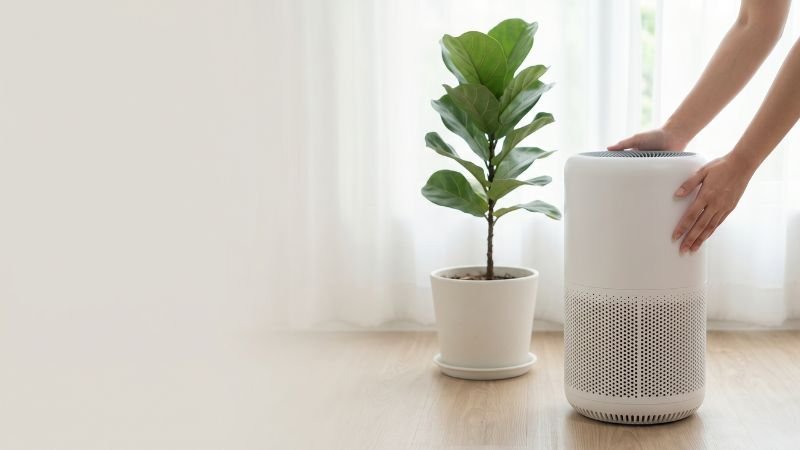
An air purifier is an appliance designed to remove contaminants from the air in a room, improving indoor air quality. Think of it as a silent guardian, constantly working to filter out invisible pollutants that can affect your health and comfort. They come in various shapes and sizes, but their core purpose remains the same: to clean the air you breathe.
Most air purifiers work by drawing in air, passing it through a series of filters, and then releasing clean air back into the room. The type and effectiveness of these filters are crucial. For instance, HEPA filters are excellent at capturing tiny particles like pollen, dust mites, and pet dander. Activated carbon filters excel at trapping odors, smoke, and volatile organic compounds (VOCs). Some units also feature UV-C light to kill airborne bacteria and viruses, or ionizers that release charged ions to clump particles together for easier filtration.
Understanding these components is the first step in mastering how to use an air purifier to your advantage.
Choosing the Right Spot: Placement is Key
Where you place your air purifier significantly impacts its performance. It’s not just about finding an empty corner; strategic placement ensures it can effectively circulate and clean the air in the intended space.
First, consider the Clean Air Delivery Rate (CADR) of your unit, which indicates how quickly it removes pollutants from a room. A higher CADR is better for larger rooms. Match your air purifier’s CADR to your room size. From my experience, placing it in the main living area or bedroom, where you spend the most time, yields the best results. Optimal placement usually means a central location within the room, allowing for maximum airflow around the unit.
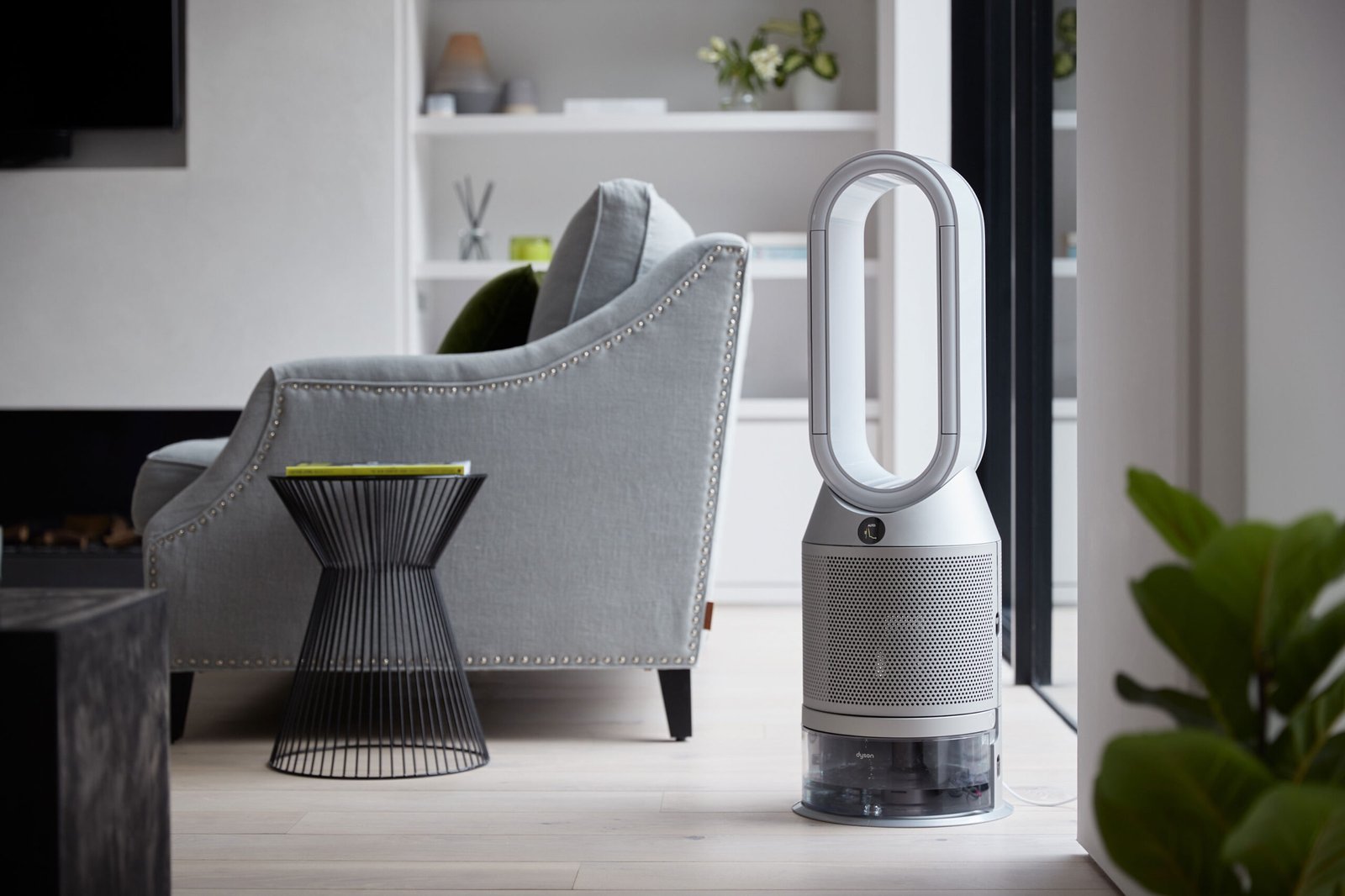
Keep it away from walls, furniture, or curtains that could obstruct air intake or output. You want at least a few feet of clear space around the purifier. Conversely, avoid placing it in corners, directly against walls, or near open windows and doors where drafts might pull in more outdoor pollutants, making your air purifier work harder than necessary. Proper placement is fundamental to how to use an air purifier effectively.

Getting Started: Initial Setup and Settings
Once you’ve chosen the perfect spot, it’s time for the initial setup. Most air purifiers are designed for easy assembly, but a quick check of the manual is always a good idea.
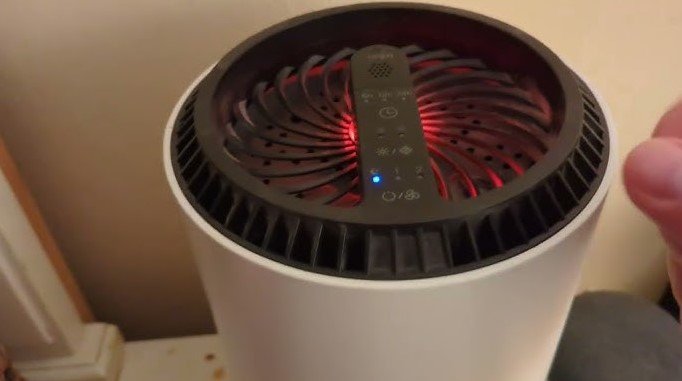
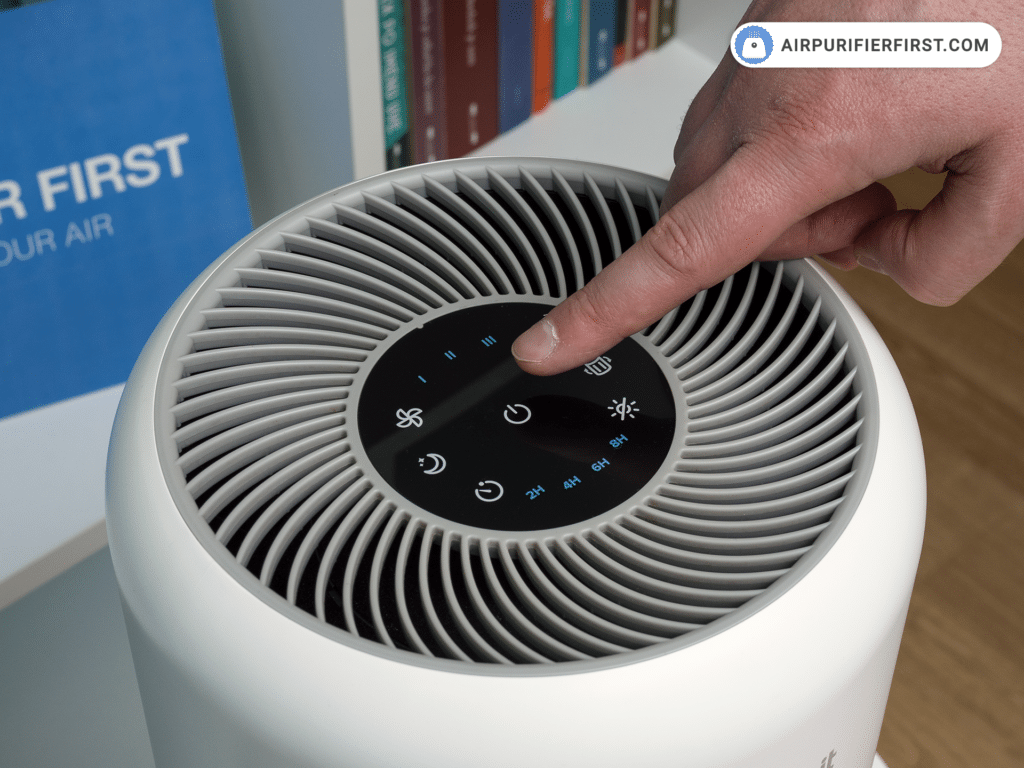
Typically, you’ll need to unbox the unit, remove any plastic packaging from the filters, and install them correctly. Many units have an indicator light that shows when the filters are properly seated. Next, familiarize yourself with the control panel or smartphone app. You’ll likely find settings for fan speed (low, medium, high), a timer, an auto mode, and a sleep mode.
The auto mode is often my go-to, as it uses sensors to detect air quality and adjusts the fan speed automatically, saving energy and ensuring consistent air purification. For daytime use, a medium or high setting might be appropriate, especially during allergy season or after cooking. At night, sleep mode, which typically runs the fan on the lowest, quietest setting, is ideal. Learning these settings is crucial to using an air purifier tailored to your specific needs.
Maintaining Your Air Purifier for Peak Performance
An air purifier is only as good as its filters. Regular maintenance is non-negotiable if you want your unit to consistently deliver clean air. Neglecting this step is a common mistake I’ve seen many people make.
Start by checking your pre-filter regularly, usually every 2-4 weeks. This is the first line of defense and often washable or easily vacuumed. Keeping it clean extends the life of your more expensive HEPA and activated carbon filters. Most air purifiers have indicator lights that signal when the main filters need replacement, typically every 6-12 months for HEPA and every 3-6 months for activated carbon filters, depending on usage and air quality.
Ignoring these alerts can lead to reduced airflow, decreased effectiveness, and even a recirculation of pollutants. Periodically wipe down the exterior of the unit with a soft, damp cloth to prevent dust buildup. If you notice reduced airflow, increased noise, or strange odors, these are often signs that filters need attention or replacement. Proper maintenance is a critical part of how to use an air purifier efficiently and prolong its lifespan.

Personal Insights and Practical Tips for Max Effectiveness
Having used air purifiers in various environments – from a dusty city apartment to a home with pets and seasonal allergies – I’ve gathered some valuable insights. One common misconception is the “set it and forget it” approach. While auto mode is fantastic, occasionally checking the air quality sensors and filter status yourself can make a big difference. I always recommend combining your air purifier with other air quality strategies. For example, regular vacuuming with a HEPA filter, frequent dusting, and ensuring good ventilation by occasionally opening windows (when outdoor air quality is good) can significantly boost overall air cleanliness.
A lesson I learned early on was to never underestimate the impact of neglecting filter changes. The air purifier might still be running, but it won’t be doing its job effectively. It’s like driving a car without changing its oil – eventually, performance suffers. I’ve found that setting calendar reminders for filter checks and replacements ensures I never miss a beat.
Also, don’t be afraid to adjust settings throughout the day. If you’re cooking or have guests over, cranking up the fan speed temporarily can help clear the air faster. Knowing how to use an air purifier means being proactive and adaptable.

Addressing Common Misconceptions About Air Purifiers
Despite their growing popularity, there are still several myths surrounding how air purifiers work and what they can achieve. Let’s clear some of these up.
Firstly, an air purifier is not a magic bullet for all indoor air pollution. While incredibly effective, it complements other good habits like regular cleaning and proper ventilation. It won’t, for instance, eliminate every single pollutant or replace the need to address the source of pollution (like mold or excessive dust).
Secondly, not all air purifiers are created equal. Different models offer varying filter types, CADR ratings, and features. Investing in a reputable brand with certified HEPA and activated carbon filters is often a wise choice. Lastly, some believe you only need to run an air purifier when you feel symptoms like allergies or asthma. However, consistent, continuous use is generally recommended to maintain stable indoor air quality and prevent pollutants from building up in the first place. Understanding these nuances helps you truly grasp how to use an air purifier to its full potential.

Frequently Asked Questions of how to use an air purifier
How long should I run my air purifier each day?
For optimal air quality, it’s generally best to run your air purifier continuously, 24/7, especially in the room where you spend the most time, like a bedroom or living area. Modern air purifiers are designed to be energy-efficient and quiet enough for constant operation.
Can an air purifier remove viruses and bacteria?
Yes, many air purifiers, particularly those with true HEPA filters, can capture airborne viruses and bacteria as small as 0.3 microns. Some advanced models also include UV-C light, which can effectively inactivate these microorganisms as they pass through the unit.
Is it okay to move my air purifier between rooms?
While technically possible, constantly moving an air purifier can reduce its effectiveness in any single room. For best results, consider purchasing separate units for different primary spaces or dedicating one to the room where air quality is most critical.
Do air purifiers use a lot of electricity?
Most modern air purifiers are quite energy-efficient, especially when running on lower settings or in auto mode. The energy consumption can be comparable to a light bulb, so continuous use typically won’t dramatically increase your electricity bill.
What’s the difference between an air purifier and a humidifier?
An air purifier cleans the air by removing pollutants, while a humidifier adds moisture to the air. They serve different functions for indoor air quality and can often be used together to create a more comfortable and healthier indoor environment.
Conclusion
Mastering how to use an air purifier is a straightforward journey that begins with understanding its function, strategic placement, correct setup, and consistent maintenance. By integrating these practices into your daily routine, you’re not just running a machine; you’re actively creating a healthier, more comfortable living space for yourself and your loved ones.
The continuous battle against indoor air pollutants can be won with this powerful ally. Take control of your air quality today – install your air purifier, adjust its settings, and commit to regular filter care. Your lungs will thank you. For more insights on optimizing your home environment, explore our other articles on indoor air quality or share your personal experiences in the comments below!