Why Does My Air Purifier Smell Weird? Common Issues
If your air purifier is emitting an unpleasant odor, it is likely due to a saturated filter, trapped debris, or a internal motor issue. Most of these problems are easily fixed by performing routine maintenance or simply replacing the filter to restore your home’s air quality.
You bought an air purifier to make your home feel fresher and cleaner. You were probably imagining crisp, mountain-like air filling your living room. So, when you walk into the room and get hit with a strange, musty, or chemical scent instead, it can be incredibly frustrating. Why does my air purifier smell weird? It is a question we hear quite often in 2026, and the good news is that it is almost always a solvable problem.
Usually, when your device starts acting up, it is just a sign that it is doing its job a little too well. It has likely collected a lot of “gunk” over the past few months, or it might just need a simple bit of attention. Before you go out and buy a brand-new unit, let’s walk through the most common culprits behind those funky odors and how you can get back to breathing easy.
Key Takeaways
- Saturated Filters: The most common reason for a weird smell is a filter that has reached its capacity and can no longer trap particles.
- Moisture Traps: High humidity levels can lead to mold or mildew growth inside the unit if the air purifier is not kept dry.
- Motor Overheating: A burning plastic or electrical smell may indicate a failing motor or a mechanical obstruction.
- New Device Off-Gassing: Brand new purifiers often emit a temporary chemical or “factory” smell during their first few hours of operation.
- Internal Debris: Dust bunnies, pet hair, or food particles trapped in the intake vents can create a foul odor as air passes through them.
- Routine Cleaning: Regularly wiping down the exterior and vacuuming the pre-filter can prevent smells from developing in the first place.
The Most Likely Culprit: Your Filter
When you ask yourself, “Why does my air purifier smell weird,” the first place you should look is the filter. These components are the heart of your machine. They work by grabbing onto dust, pet dander, pollen, and volatile organic compounds (VOCs). Over time, these particles accumulate, and the filter reaches a point where it simply cannot hold any more.
When Filters Reach Saturation
Think of your air purifier filter like a sponge. If you keep pouring water onto a sponge that is already soaking wet, it stops absorbing. Eventually, the water just sits on top, and it can start to grow things like mold or bacteria.
When your HEPA filter or carbon filter is completely full, the airflow passing through it can actually pick up the scents of the trapped particles and blow them back out into your room. If you notice a sour or stale smell, it is a big hint that your filter is past its prime.
Carbon Filter Saturation
Many modern air purifiers use activated carbon layers to handle odors and gases. Carbon is excellent at absorbing smells from cooking, smoking, or cleaning products. However, once the carbon pores are full, they stop absorbing and can start releasing those stored odors. This is called “desorption.” If you have been cooking a lot of strong-smelling meals lately, your carbon filter might be overwhelmed. It is not necessarily broken; it is just full.
Moisture and Humidity Issues
Believe it or not, air purifiers can sometimes become breeding grounds for unwanted visitors if the environment is too humid. If you live in a damp climate or have your purifier near a bathroom, the moisture might be the root of the “weird” smell you are encountering.
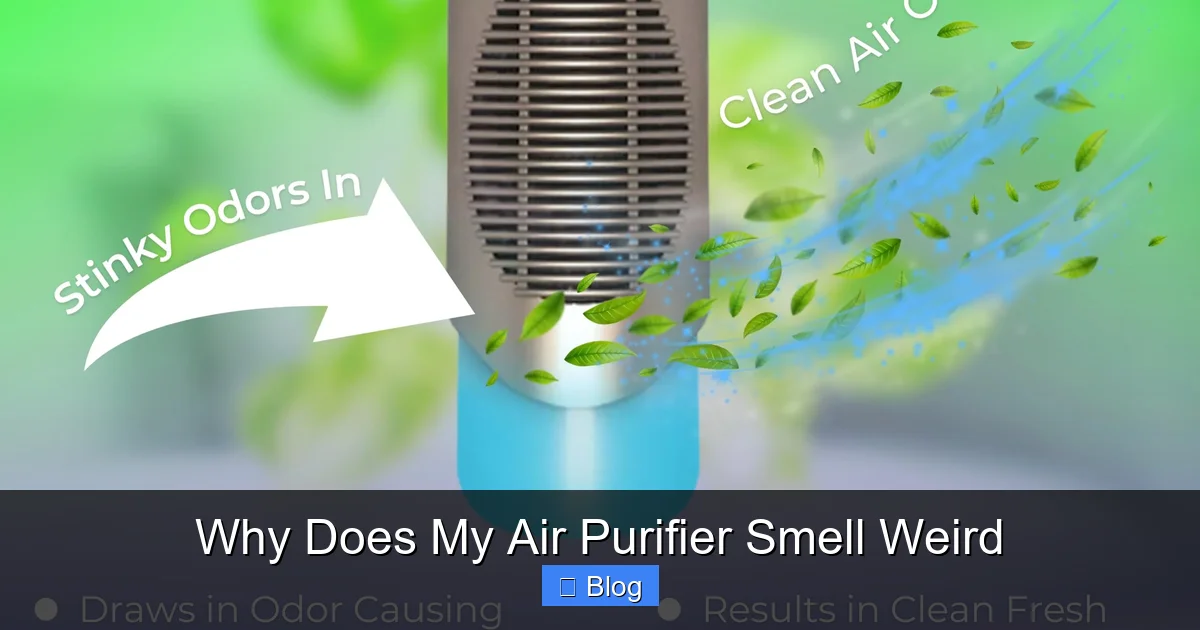
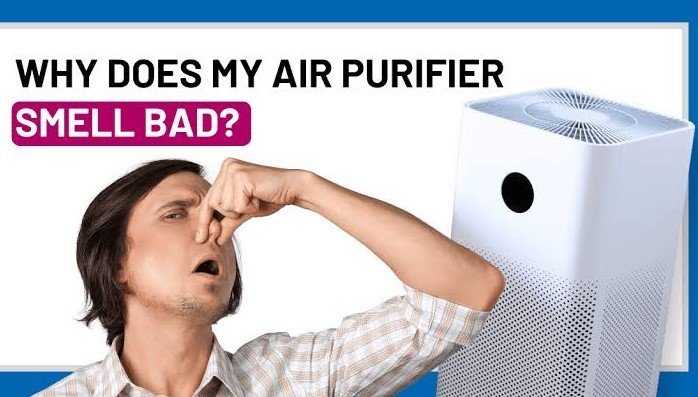
Visual guide about Why Does My Air Purifier Smell Weird
Image source: m.media-amazon.com
The Danger of Mold and Mildew
Mold loves damp, dark places. If your air purifier has been running in a high-humidity room, some of that moisture can get trapped inside the housing or on the filter surface. Once mold spores land on that damp filter, they can start to grow. This often results in a distinct, earthy, or “basement” smell. If you take your filter out and see any dark spots or fuzzy growth, you must replace it immediately for your health.
Prevention Tips for Damp Spaces
To avoid this, try to keep your purifier away from humid zones like bathrooms or kitchens where steam is common. If you do notice the air feeling heavy or moist, running a dehumidifier alongside your air purifier can help keep the internal components dry and smell-free. Also, make sure the unit has plenty of space around it so air can circulate freely, which prevents stagnant, damp air from settling inside the machine.
Mechanical and Motor Smells
Sometimes the smell is not organic or stale; it is sharp, chemical, or electrical. These odors are usually coming from the internal components of the device rather than the filter itself. While these can be more concerning, they are often easy to troubleshoot.
Burning Plastic or Electrical Odors
If your purifier smells like burning plastic or ozone, you should unplug it immediately. This could mean the motor is overheating, perhaps because of dust buildup inside the housing that is blocking the airflow.
If the motor has to work too hard to pull air through a clogged machine, the friction can cause parts to heat up. First, try turning the unit off and checking for any debris blocking the intake. If the smell persists after a deep clean, it might be an internal electrical issue that requires professional repair or a warranty claim.
The New Machine Smell
If you just unboxed your air purifier yesterday, don’t panic! It is perfectly normal for a brand-new device to smell a bit like plastic or chemicals for the first 24 to 48 hours. This is caused by the factory lubricants and plastic housing settling in.
The best way to fix this “new car” smell is to run the unit on its highest setting in a well-ventilated room or even outside on a patio for a few hours. This allows the off-gassing process to finish quickly.
External Debris and Intake Obstructions
Sometimes we blame the filter, but the problem is actually sitting right on the front grille of the device. Since your air purifier acts like a vacuum for the room, it pulls in everything floating in the air. Over time, that can include things that don’t belong inside a machine.
Pet Hair and Dust Bunnies
If you have furry friends, you know that pet hair gets everywhere. It often clumps up right at the intake vents of your air purifier. As the fan pulls air in, it might be blowing air across these warm, decomposing clumps of hair and dust.
This can create a very specific “pet” odor. To solve this, simply use a vacuum attachment or a damp cloth to wipe down the exterior intake grilles once a week. You will be surprised at how much gunk builds up there!
Kitchen Grease and Vapors
If your air purifier is located near your kitchen, it is likely pulling in aerosolized grease from your stovetop. This grease can coat the interior of the machine and the fan blades. Over time, that old grease can go rancid and start to smell. If you notice a greasy film on the outside of your purifier, it is a good sign that the inside needs a gentle cleaning with a microfiber cloth and a mild, safe cleaner.
Maintenance Habits to Stop Smells
Consistency is key when keeping your indoor air quality high. You don’t need to be a professional technician to keep your machine running smoothly. A few simple habits will keep the “why does my air purifier smell weird” question from ever popping into your head again.
The Importance of Routine Filter Changes
Check your user manual for the recommended filter replacement schedule. In 2026, most machines have smart sensors that alert you when the filter is nearing the end of its life, but don’t wait for a light to turn on if your nose tells you otherwise. If you live with pets, smokers, or in a dusty area, you might need to change your filters more frequently than the average person. Think of the filter as a consumable item, just like the oil in your car.
Cleaning the Pre-Filter
Most purifiers have a pre-filter a thin mesh screen that catches large particles before they hit the expensive HEPA filter. This pre-filter is meant to be cleaned! Every month, take it out and rinse it with water (if the manual allows) or vacuum it thoroughly. By keeping this layer clear, you reduce the workload on the main filters and prevent odors from getting trapped in the initial stages of the cleaning process.
Conclusion: Breathing Easy Again
Having a weird smell coming from your air purifier is an annoyance, but it is rarely a sign that your device is doomed. Most of the time, it is just a gentle reminder that your machine has been doing exactly what it was designed to do: capturing the pollutants in your home. Whether it is a saturated filter, a bit of trapped pet hair, or just some accumulated dust, these issues are usually quick to resolve.
By keeping up with your cleaning schedule, replacing your filters on time, and being mindful of where you place your unit, you can ensure that your air purifier remains a silent, odorless worker in your home.
If you have cleaned everything and the smell persists, don’t hesitate to reach out to the manufacturer’s support team. In the meantime, take a deep breath—your home is on its way back to being the fresh, clean sanctuary you deserve.
Frequently Asked Questions
Why does my air purifier smell like rotten eggs?
A rotten egg or sulfur smell often points to an issue with a carbon filter that has become saturated with gases, or it could potentially be an electrical fault in the wiring. Unplug the device immediately and check the filter; if the smell remains after replacing it, contact the manufacturer.
Can a dirty HEPA filter cause a bad smell?
Yes, once a HEPA filter reaches its maximum capacity, it can no longer effectively trap particles and may start releasing the odors of the trapped pollutants back into your room. If you notice a stale smell coming from the unit, replacing the HEPA filter is almost always the effective fix.
How often should I clean my air purifier to prevent odors?
You should wipe down the exterior vents and intake grilles once every two weeks to prevent dust and hair buildup. Additionally, the pre-filter should be vacuumed or rinsed monthly to maintain optimal airflow and prevent odors from becoming trapped.
Is it normal for a brand new air purifier to smell like plastic?
It is perfectly normal for a new air purifier to emit a slight plastic or “chemical” smell during the first 24-48 hours of use. This is due to the factory-fresh components and typically dissipates on its own as the machine runs.
Does humidity affect air purifier odors?
Yes, high humidity can lead to moisture buildup inside the unit, which encourages the growth of mold and mildew on the filters. If your home has high humidity, ensure the air purifier is placed in a well-ventilated area to prevent internal dampness.
What if my air purifier smells like burning rubber?
A burning smell is a serious indicator that the motor may be overheating or that there is a mechanical obstruction, such as hair caught in the fan. Turn the unit off immediately, unplug it, and inspect the fan blades and motor area for debris before attempting to turn it back on.