What Is Cfm in Air Purifier? Smart CFM and 2026 Technology
CFM, or Cubic Feet per Minute, measures the volume of air an air purifier can process in sixty seconds. Understanding this metric is essential for ensuring your device effectively cleans your room’s air volume multiple times per hour.
When you start shopping for a device to clear the dust, pollen, and pet dander from your home, the technical jargon can feel a bit overwhelming. You see numbers, acronyms, and fancy marketing terms everywhere. One of the most important specs you will encounter is CFM. So, what is CFM in air purifier terms, and why should you care about it?
Think of your air purifier like a vacuum for the air in your room. If you want to clean a massive carpet, you need a vacuum that can handle a lot of work. Similarly, if you have a large living room, you need an air purifier that can pull enough air through its filters to make a real difference. CFM tells you exactly how much “breath” your machine has. It is the heartbeat of the unit, dictating how fast it can cycle through the air in your space.
Key Takeaways
- Understanding CFM: CFM measures the airflow rate, indicating how much air passes through the filter system every minute.
- Room Size Matters: Higher CFM ratings are necessary for larger rooms to ensure the air is turned over frequently enough to maintain quality.
- CADR vs. CFM: While CFM measures raw airflow, CADR measures how well that air is cleaned, making both metrics vital for performance.
- Noise Trade-offs: Generally, higher CFM settings on an air purifier lead to increased noise levels, which is a factor for bedrooms.
- Efficiency Balance: Finding the right CFM means balancing powerful filtration with energy consumption and acoustic comfort.
- The 2026 Standard: Modern purifiers are becoming more efficient, allowing for higher CFM without significantly spiking power bills.
The Science of Airflow: What Is CFM?
At its core, CFM stands for Cubic Feet per Minute. It is a standard unit of measurement used in ventilation and air treatment industries. When a manufacturer says an air purifier has a CFM of 200, they are telling you that the fan motor is powerful enough to push 200 cubic feet of air through the filtration system every single minute. It is that simple, but the implications for your home environment are huge.
Why Air Volume Matters
To keep a room healthy, you need to circulate the air. If the air just sits still, pollutants settle on surfaces. A high CFM means the purifier is constantly moving air, trapping particles in the filter before they ever reach your lungs or land on your furniture. If your CFM is too low for the room size, the device will struggle to keep up with the constant influx of dust and allergens.
The Fan Motor Role
The motor is the engine behind the CFM. In 2026, we are seeing a shift toward advanced DC motors. These motors allow for higher CFM ratings while using less electricity and operating more quietly than the older AC motors. When looking at a new device, check the CFM rating at the highest setting. Most manufacturers will provide a range, but the max CFM is what you use to judge the unit’s absolute capacity.
CFM vs. CADR: Decoding the Acronyms
You might have seen the term CADR (Clean Air Delivery Rate) next to CFM. It is very common for shoppers to get these two mixed up. While they are related, they tell different parts of the story. Understanding the difference is the secret to becoming an expert in air quality.

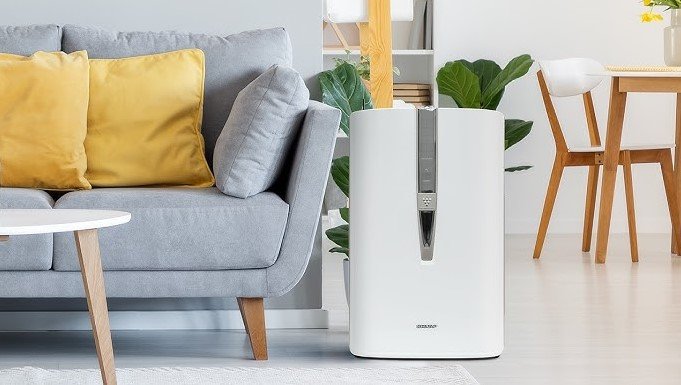
Visual guide about What Is Cfm in Air Purifier
Image source: simpurelife.com
What Does CADR Actually Measure?
While CFM measures the raw volume of air moving through the machine, CADR measures the cleaning efficiency. It tests how well the machine removes specific particles usually dust, smoke, and pollen at a certain CFM speed. A high CFM is useless if the filters are low quality, and a great filter is useless if the CFM is too low to move the air through it.
Balancing Power and Filtration
When you are shopping, look for a balance. A machine might have an incredible CFM, but if the fan isn’t powerful enough to push air through a thick HEPA filter, the effective CADR will drop. By 2026, the best brands are integrating smart sensors that adjust the CFM dynamically. This means the device stays quiet when the air is clean but ramps up the CFM when the sensor detects a spike in pollution.
Matching CFM to Your Room Size
Not every room needs the same amount of airflow. A small home office has a much lower volume of air than a large, open-concept living area. If you put a low-CFM unit in a huge room, you are wasting electricity because the device simply cannot clean the air fast enough to keep up with the room’s capacity.
The Rule of Air Changes Per Hour (ACH)
The goal is to cycle all the air in your room at least four to five times every hour. If your room is 200 square feet with 8-foot ceilings, you have 1,600 cubic feet of air. To get four air changes per hour, you need to cycle 6,400 cubic feet per hour, or about 107 cubic feet per minute. That is the minimum CFM you should aim for to keep that specific room clean.
Tips for Open Floor Plans
For modern open floor plans, calculate the CFM based on the total area of the connected spaces. If your kitchen, dining room, and living room are all open to each other, don’t just calculate for the living room. You need a higher-CFM purifier that can handle the entire volume. Placing the unit in a central location with plenty of space around the intake is also vital for maximizing the CFM.
The Noise Factor: Dealing with Higher CFM
There is a natural trade-off in air purification: power vs. peace. As you increase the CFM to clean the air faster, the fan blades move faster, creating more air turbulence and motor hum. For many, this is the most important part of the decision-making process.
Finding the Quiet Sweet Spot
In 2026, many units offer “sleep modes.” In this mode, the CFM is dropped significantly to keep noise down. The trick is to buy a unit with a slightly higher max CFM than you think you need. Why? Because then you can run it at a medium or low setting most of the time. This gives you the airflow you need to clean the air without the loud noise associated with running a smaller unit at 100% capacity.
Placement and Airflow Obstructions
Even a machine with a stellar CFM rating will struggle if you shove it in a corner or behind a couch. When you restrict the airflow going into the unit, you are effectively lowering its CFM. Keep the device at least two feet away from walls or furniture. This allows the fan to move air efficiently and keeps the motor from overheating, which maintains the unit’s longevity.
Maintenance and Its Impact on CFM
Did you know that your CFM rating drops the moment you start using your air purifier? It is true. As your filters trap dust, hair, and dander, they become clogged. This makes it harder for the air to pass through, which increases resistance and lowers the actual CFM of the unit.
Why Filter Changes Are Not Optional
If you ignore your filter change lights, your device’s performance will plummet. An old, dirty filter acts like a wall, forcing the motor to work harder while moving less air. By swapping out filters regularly usually every six to twelve months you ensure that your machine maintains its original CFM rating and operates efficiently.
Cleaning Pre-filters
Most modern air purifiers have a pre-filter designed to catch larger particles. If you have pets, check this pre-filter every month. A quick vacuum or rinse can clear away the hair buildup and instantly improve the airflow. This simple habit keeps your CFM high and prevents the motor from wearing out prematurely.
The Future: Smart CFM and 2026 Technology
Technology has come a long way. We are now living in an era where air purifiers can “talk” to your home environment. Smart sensors are the biggest upgrade in 2026. These devices constantly measure the air quality and adjust the CFM in real-time, which is a game-changer for energy efficiency and noise control.
Adaptive Airflow Systems
Instead of manually toggling between low, medium, and high, modern units handle the CFM for you. If you start cooking or someone opens a window, the sensors detect the change, and the fan ramps up the CFM to clean the air quickly. Once the air is clean, the unit scales back down to a near-silent operation.
Energy Efficiency
Because these smart units are so good at managing their own CFM, they are much more energy-efficient than older models. You no longer have to leave a device running on high all day to ensure the air is clean. This saves money on your electricity bill and extends the life of the machine’s components, making it a much smarter investment for your home.
In conclusion, understanding what is CFM in an air purifier is the key to choosing a device that actually does what you need it to do. It is not just about the biggest number on the box; it is about matching that number to your home size, your noise tolerance, and your commitment to maintenance.
By focusing on CFM, you are choosing to prioritize your family’s health with a machine that is perfectly tuned to your living space. Stay smart, keep your filters clean, and enjoy the fresh, crisp air in your home all year round.
Frequently Asked Questions
Do I need the highest CFM available?
Not necessarily. While a higher CFM cleans a room faster, it can also be noisier and use more energy. It is best to choose a unit with a CFM that matches or slightly exceeds your room’s square footage to strike the perfect balance.
Can I increase the CFM of my current purifier?
You cannot increase the physical max CFM of the motor, but you can maintain it by keeping your filters clean. Replacing clogged filters and cleaning the pre-filter ensures the unit operates at its factory-designed capacity.
Is CFM more important than CADR?
They are equally important because they work together. CFM tells you how much air moves, while CADR tells you how well that air is cleaned, and you need both for a healthy indoor environment.
Does a higher CFM mean more noise?
Generally, yes, as moving more air usually creates more turbulence. However, many modern purifiers in 2026 use advanced fan designs and quiet motors to provide high CFM with minimal sound.
How often should I run my purifier at high CFM?
You should run it on high when you first turn it on in a dusty room or when specific pollution events occur, like cooking or smoking. For daily maintenance, a lower, quieter CFM setting is usually enough.
Will a high CFM help with pet odors?
Yes, higher airflow helps cycle the air through the activated carbon filter faster, which is essential for capturing odors. A higher CFM ensures more air reaches the charcoal media per minute, improving odor neutralization.