What Is Ion Air Purifier? Benefits of Using an Ion Air Purifier
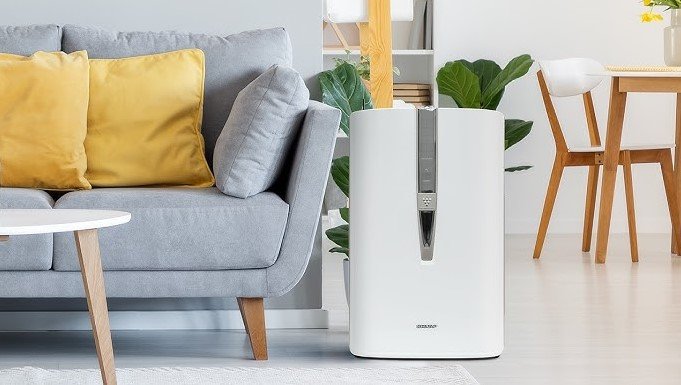
An ion air purifier is a device that uses electrical charges to remove airborne particles like dust, pollen, and smoke from your indoor environment. By releasing negative ions, it cleans your air by making contaminants stick to surfaces or each other, helping you breathe easier in your home.
Have you ever walked outside after a thunderstorm and noticed how crisp and clean the air feels? That refreshing sensation is largely due to the presence of negative ions in the atmosphere.
In 2026, homeowners are increasingly turning to technology that mimics this natural process to improve their indoor comfort. If you are asking yourself, what is ion air purifier technology, you are definitely not alone. It is one of the most talked-about topics in home wellness today.
An ion air purifier works differently than a traditional fan-and-filter unit. Instead of just pulling air through a screen, it actively changes the air around you. It is a fascinating blend of physics and home improvement that can make a real difference in how your living space feels. Let’s dive deep into how these devices work and whether they are the right choice for your family.
Key Takeaways
- The Science: Ion air purifiers use ionization to electrically charge particles, causing them to clump together and settle out of the air.
- Efficiency: They are excellent at capturing microscopic pollutants that standard mesh filters might occasionally miss.
- Maintenance: Most ionic units are low-maintenance because they do not require expensive filter replacements.
- Safety First: It is crucial to choose models with low ozone emissions to keep your indoor air quality safe for your lungs.
- Placement Matters: For the best results, place your purifier in an open, central area away from walls for maximum airflow.
The Science Behind Ionization
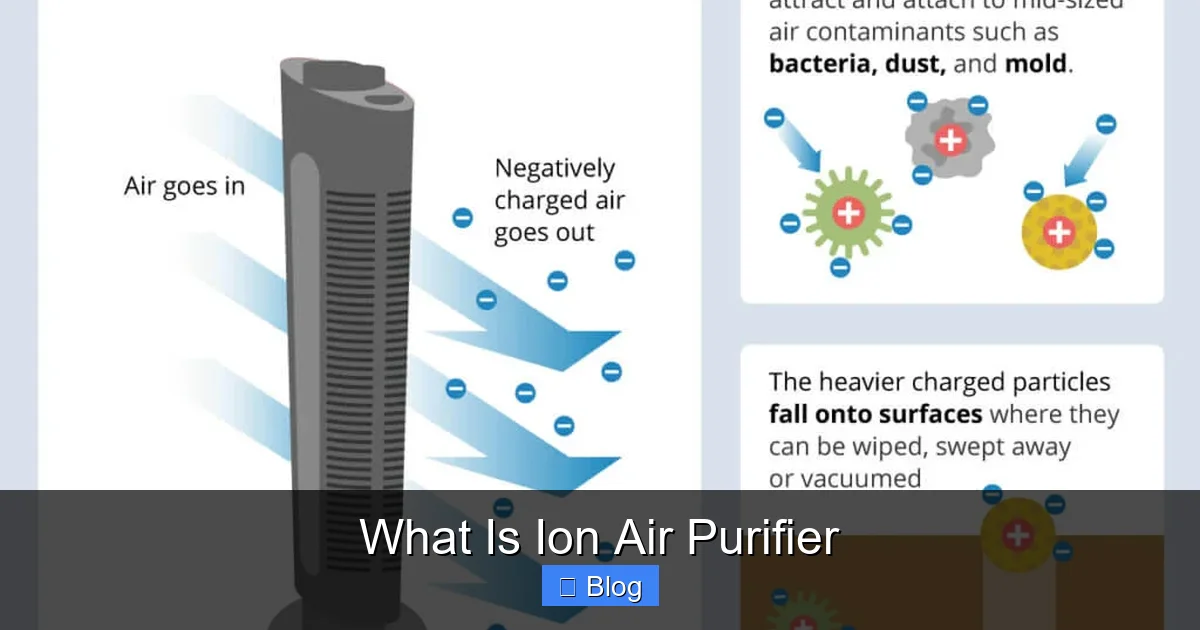
At its core, an ion air purifier is all about electricity. These devices contain a component known as an ion generator. When you turn the unit on, it creates a high-voltage electrical field. This field charges the air molecules, turning them into negative ions. Once these negative ions are released into your room, they go to work hunting down airborne pollutants.
How Particles Get Charged
The magic happens through a process called electrostatic attraction. Most dust, dander, pollen, and even smoke particles have a natural positive or neutral charge. Because opposites attract, the negative ions produced by the machine are drawn to these floating particles like a magnet. Once an ion attaches to a particle, that particle becomes negatively charged.
The Clumping Effect
Once the particles are charged, they undergo a process called agglomeration. This means they start to stick together, forming larger, heavier clusters. Because they are now much heavier than they were before, they can no longer stay afloat in the air.
Gravity pulls these clumps down to the floor or onto surfaces like tables and walls. Once they land, you can simply sweep, vacuum, or wipe them away, effectively removing them from your breathing zone.
Benefits of Using an Ion Air Purifier
Why do people prefer this technology over others? The benefits are quite clear when you look at how they integrate into a busy modern lifestyle. In 2026, convenience is king, and these devices are designed to make your life simpler while keeping your home fresh.
Visual guide about What Is Ion Air Purifier
Image source: housefresh.com
Low Maintenance Costs
One of the biggest advantages of an ion air purifier is the lack of filter changes. Traditional purifiers rely on HEPA filters that need to be replaced every few months, which can get expensive over time. Because many ionic models use internal plates or simply charge the air without a physical filter, you save a significant amount of money in the long run. You simply wipe down the collector plates occasionally, and you are good to go.
Silent Operation
If you are a light sleeper, you will appreciate how quiet these machines are. Many units do not require large, loud fans to move air across a filter. This makes them perfect for bedrooms, nurseries, or home offices where you need to focus without a constant humming noise in the background. It is a peaceful way to maintain clean air while you work or rest.
Safety and Ozone Considerations
When asking, what is ion air purifier safety, it is important to address the topic of ozone. Some older or lower-quality ionic purifiers can produce trace amounts of ozone as a byproduct of the ionization process. While small amounts are natural, you generally want to avoid high concentrations, as ozone can irritate the respiratory system.
Choosing the Right Model
In 2026, technology has come a long way. Most reputable manufacturers now design their purifiers to meet strict safety standards that limit ozone emissions to negligible levels. When shopping, look for labels that certify the unit is ozone-safe or compliant with regional health standards. Always read the box to ensure the product is verified by independent testing labs.
Tips for Safe Use
Even with safe units, it is smart to use them correctly. Ensure your room is well-ventilated, especially if you are using the device in a smaller space. If you notice any weird smells or headaches, it is a sign to turn the unit off or move it to a larger room where the air circulation is better. A little common sense goes a long way in keeping your indoor environment healthy.
Placement Strategies for Maximum Efficiency
Where you put your ion air purifier matters more than you might think. Many people hide their units in corners, but that actually limits their effectiveness. To get the most out of your device, you need to think about how air flows through your home.
Avoid Cramped Corners
Your purifier needs room to breathe. Placing it in an open area, ideally in the center of the room, allows the negative ions to circulate freely. If you tuck it behind a bookshelf or inside a closet, the ions will just stick to the nearby walls instead of cleaning the air in the center of the room. Give it a few feet of space on all sides to ensure the best coverage.
Managing Dust Settling
Since the primary goal of the device is to force particles to the ground, be prepared for a bit more cleaning on your surfaces. Because you are essentially “knocking” the dust out of the air, you might notice your shelves getting a bit dusty faster than usual. This is actually a sign that the machine is working! Just maintain a regular cleaning schedule, and you will notice a massive improvement in your overall air quality.
Comparing Ionizers to Other Purifier Types
It is helpful to compare your options before buying. While we are focusing on ion units, it is worth knowing how they stand up to HEPA or carbon filters. Each type has its own set of strengths.
Ionizer vs. HEPA Filters
HEPA filters are excellent at trapping particles physically. They are the gold standard for people with severe allergies. However, they can be loud and require filter replacements. Ionizers are better at tackling smaller particles and are more budget-friendly. Some modern, “hybrid” purifiers actually combine both technologies, giving you the best of both worlds: a HEPA filter to catch the big stuff and an ionizer to neutralize the microscopic irritants.
Which One Fits Your Life?
If you want a low-maintenance, quiet solution for a home office or bedroom, an ionizer is a fantastic pick. If you live in a house with pets or heavy smoke, you might want to look into a multi-stage system that includes an ionizer alongside other cleaning methods. Knowing your specific needs is the key to making the right purchase.
The Future of Home Air Quality
As we move through 2026, technology is only getting smarter. We are seeing more integration with smart home systems, allowing you to control your ion air purifier from your phone or voice assistant. Imagine being able to turn on your cleaner while you are on your way home, ensuring the air is perfect the moment you walk through the door.
Ultimately, investing in your indoor environment is an investment in your health. Understanding what is ion air purifier technology helps you make an informed decision that suits your budget and your lifestyle. Whether you are looking to banish pet odors or just want to breathe a little easier during pollen season, these devices are a powerful tool in your home wellness arsenal.
Remember that the goal is always balance. Use your purifier as part of a broader plan to keep your home clean, including regular dusting and good ventilation. With the right approach, you will find that a clean, ionized home is the most refreshing place to be. Enjoy the benefits of fresh air, and feel the difference that a cleaner, charged environment can make for your day-to-day life.
Frequently Asked Questions
Do ion air purifiers work for pet hair?
While they are excellent at charging fine dander and dust, they are less effective at pulling heavy pet hair out of the air. You should still use a vacuum or a pre-filter unit for larger debris like fur.
Are these purifiers safe for pets and children?
Yes, modern ion air purifiers that meet safety standards for ozone emissions are generally safe for the whole family. Always check the manufacturer’s documentation to ensure the unit operates within recommended safety levels.
How often should I clean the collector plates?
If your model uses collection plates, it is a good idea to wipe them down every two to four weeks. This keeps the performance high and prevents a buildup of dust that can hinder the ionization process.
Can I leave the device on 24/7?
Most ion air purifiers are designed to run continuously for long periods. Because they use very little electricity, running them all day is both safe and recommended for consistent air quality.
Do I need to replace any filters?
Most pure ion air purifiers do not require filter replacements, which makes them very cost-effective. However, if you have a hybrid model that also includes a physical HEPA filter, you will need to replace that filter according to the manufacturer’s schedule.
Will an ion air purifier remove odors?
Many models are quite effective at neutralizing airborne odors by attacking the particles that cause them. For stubborn, deep-set smells, however, you might still need to address the source directly.