What Is The Best Rug For A Bathroom: Smart Buying Guide
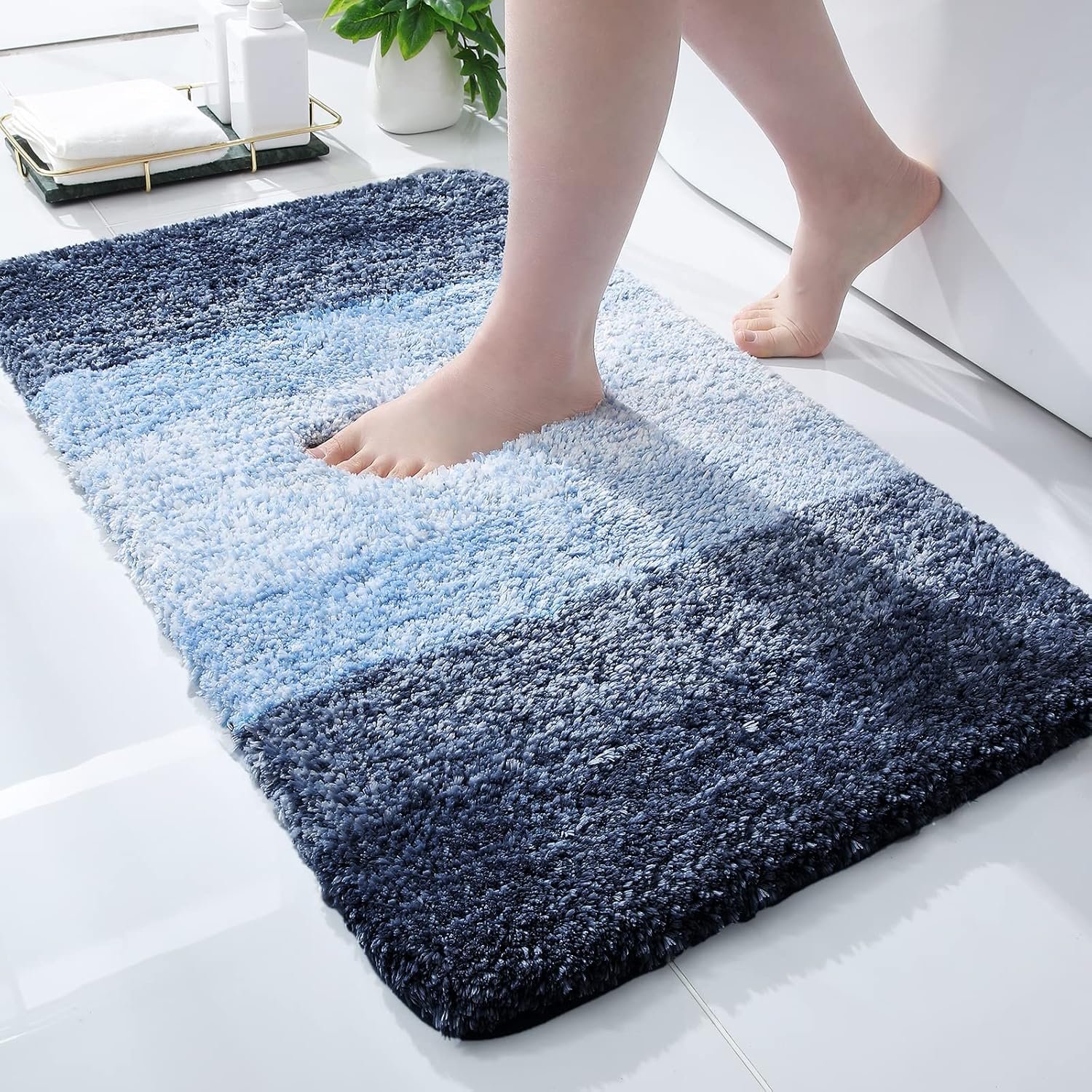
For most bathrooms in the United States, the best rug is a low-pile, machine-washable bath mat with strong water absorption, quick drying, and a secure non-slip backing. Cotton, microfiber, and some synthetic blends can all work well. The right choice depends on your floor type, moisture level, washing routine, and risk of slipping.
A bathroom rug should do more than look good. It should catch water near the shower or tub, dry between uses, stay flat, and remain stable on the floor. A beautiful rug that stays damp or slides underfoot can create more problems than it solves.

What makes a bathroom rug the best choice?
The best bathroom rug balances absorption, drying speed, traction, comfort, cleanability, and fit. No single material wins in every bathroom.
Look for these core features:
- A low or medium pile: A shorter pile dries faster and is less likely to trap dirt.
- Machine washing: Regular washing helps remove body oils, soap, skin cells, and mildew-causing moisture.
- A stable backing: The underside should help the mat stay in place on your specific floor.
- Fast drying: A rug that remains wet for hours may develop an odor or support mold growth.
- A flat edge: Raised corners and curled edges can cause trips.
- A size that fits the area: The mat should cover the wet zone without blocking doors or cabinets.
- Material suited to the room: Some fibers absorb well, while others dry faster or resist stains.
A “bathroom rug” and a “bath mat” are related but not always the same. A bath mat is usually designed for wet areas near a tub or shower. A bathroom rug may be a decorative floor covering placed near a vanity, toilet, or entry point.
For wet floors, a bath mat is usually the safer and more practical choice.
Best bathroom rug materials compared
Material affects how a rug feels, absorbs water, dries, and holds up after repeated washing. Use the table below as a starting point rather than a universal ranking.
| Material | Main strength | Main weakness | Best for |
|---|---|---|---|
| Cotton | Soft, absorbent, washable | Can stay damp longer | Homes with regular washing and good airflow |
| Microfiber | Dries quickly and feels soft | May hold less water than thick cotton | Busy bathrooms and daily use |
| Polyester or nylon | Often durable and stain-resistant | May absorb less water | Decorative areas and high traffic |
| Bamboo or wood slats | Airflow and quick drainage | Less soft and can become slick | Well-ventilated bathrooms |
| Memory foam | Cushioned underfoot | Can dry slowly and flatten over time | Comfort near a vanity, if it dries well |
| Chenille | Soft and often absorbent | Texture can trap lint and dirt | Low-traffic bathrooms with frequent cleaning |
Cotton bath mats
Cotton is a strong all-purpose option because it is soft, absorbent, and commonly machine washable. A lighter cotton mat may dry faster than a very thick one.
The main drawback is moisture retention. A dense cotton mat placed on a wet floor may stay damp beneath the surface. Hang it up after use if possible, and wash it according to the care label.
Microfiber bath mats
Microfiber mats often dry faster than thick cotton mats. Their fine fibers can spread water across a larger surface area, which may help the mat feel less saturated after use.
Microfiber can be a good choice for households that use the bathroom often or cannot easily hang a heavy mat. Check the label before washing because high heat may damage some synthetic fibers or backing materials.
Polyester and nylon rugs
Synthetic rugs are often durable and may resist stains better than natural fibers. They can work well outside the main splash zone, such as beside a vanity or near the bathroom door.
Many synthetic rugs are less absorbent than cotton or microfiber. If the primary goal is to catch water after a shower, confirm that the product is designed as a bath mat rather than a decorative area rug.
Bamboo and wood bath mats
Slatted bamboo mats allow air to move beneath the surface. This can help them dry quickly when placed on a level, well-drained floor.
They are not as soft or absorbent as fabric mats. Their surface may also feel slippery when wet, depending on the design and finish. Use extra care if children, older adults, or anyone with balance problems uses the bathroom.
Memory-foam bath mats
Memory foam can feel comfortable when standing at a sink. However, thick foam may dry slowly, especially in a small bathroom with weak ventilation.
Choose memory foam only if the mat can be lifted and dried often. A soft surface is not a substitute for a stable, slip-resistant design.
The best bathroom rug for different needs
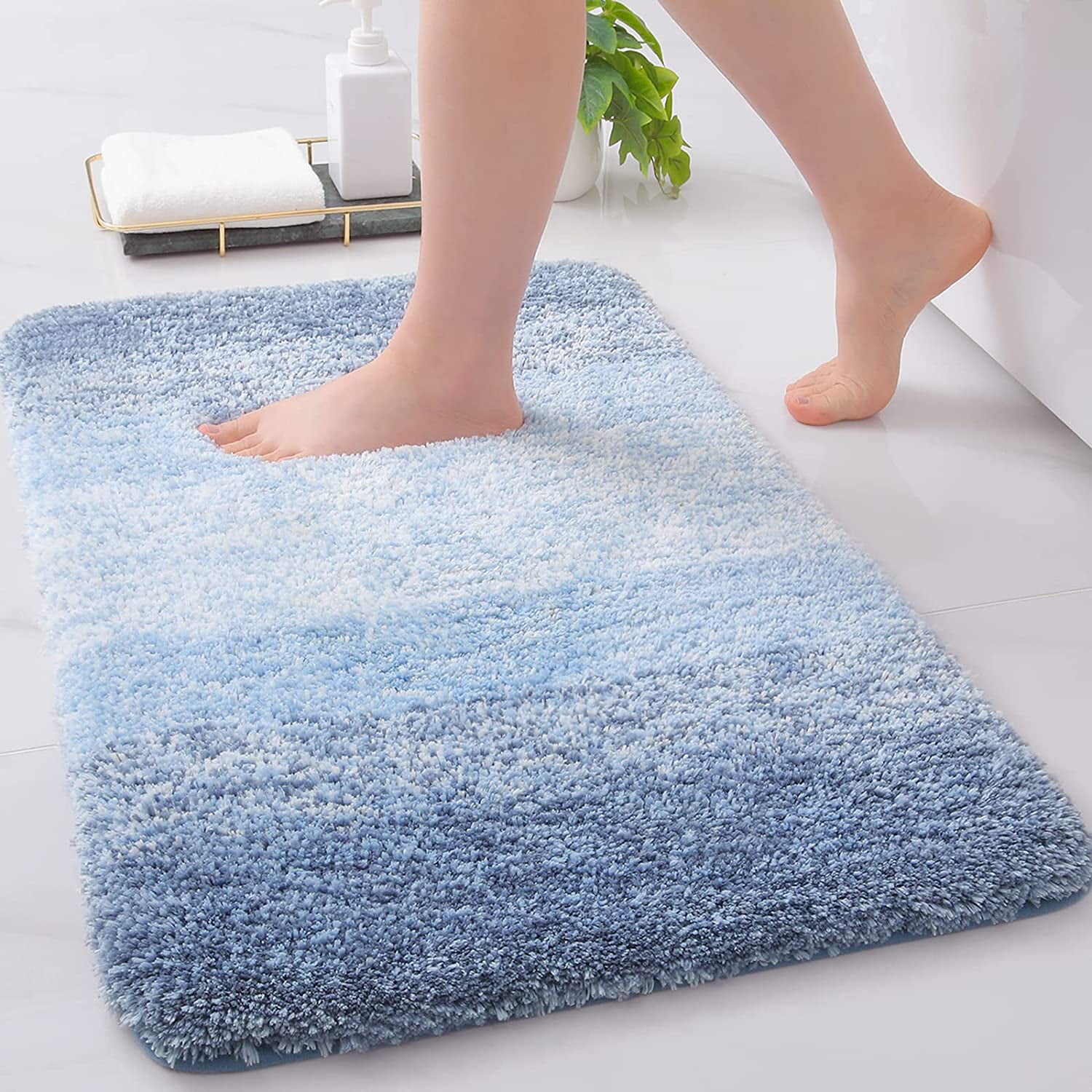
The best option changes based on how the room is used. A single-person guest bath has different needs from a busy family bathroom.
Best for a shower or tub
Choose a low-pile, absorbent bath mat with a stable backing. Cotton or microfiber usually works well.
Place the mat outside the tub or shower, where it can catch water as you step out. Do not place a fabric bath mat inside the tub or shower unless the product is specifically made for that purpose.
A bath mat inside a shower can shift underfoot. For the shower floor itself, use a product designed for wet-area traction and follow the manufacturer’s care instructions.
Best for a small bathroom
Choose a narrow mat that covers the exit area without touching walls, cabinets, or the toilet base. A mat that is too large may bunch against fixtures or prevent a door from opening fully.
A thin, quick-drying mat is often better than a thick rug in a small room. Small bathrooms may have less air movement, so trapped moisture becomes a bigger concern.
Best for a busy family bathroom
Choose a machine-washable microfiber or cotton mat that can be washed often. A spare mat can help keep the floor covered while the first one dries.
Avoid very deep pile if the mat will be used by several people each day. Thick pile may feel comfortable, but it can hold more water and take longer to dry.
Best for homes with pets
Choose a low-pile, washable rug that does not have long loops. Long fibers can catch claws, hair, and litter.
A darker pattern may hide stains, but it does not replace washing. Look for a backing that will not peel or crumble after repeated cleaning.
Best for older adults or anyone at higher fall risk
Prioritize stability over decoration. Choose a flat, low-profile mat that lies fully against the floor and has a backing suited to the flooring material.
The CDC recommends steps such as removing trip hazards and improving home safety to help reduce falls. A loose bathroom rug can become a trip hazard, so remove it if it slides, curls, or shifts.
A professional assessment may be useful when someone has a history of falls, serious balance problems, or mobility limitations. A rug alone cannot make a bathroom safe.
Is a non-slip backing always safe?
A non-slip backing can help keep a bath mat in place, but it is not automatically safe on every floor. The backing must match the surface and remain in good condition.
Common backing types include:
- Latex or rubber: Often provides grip, but may mark, discolor, or trap moisture on some floors.
- PVC or vinyl: Can resist water but may break down with heat, sunlight, or repeated washing.
- Silicone dots: May provide traction, but performance varies by floor texture.
- Textured fabric: Usually offers less grip but may be less likely to damage delicate floors.
Follow the flooring and rug manufacturer’s instructions. Test the mat in a small area if the floor is made from natural stone, finished wood, laminate, or another material that can stain or react with rubber and plastic.
Do not assume that a rubber backing will prevent every slip. Water under the mat, soap residue, dust, uneven flooring, and worn backing can all reduce traction.
Replace the mat if:
- The backing becomes cracked, brittle, sticky, or flaky.
- The mat slides when you step on it.
- Corners curl upward.
- The backing leaves a mark on the floor.
- Moisture remains trapped underneath.
- The mat no longer lies flat after washing.
Never use a loose rug pad that is not approved for wet areas. Some rug pads are intended for dry rooms and may become slippery or deteriorate in a bathroom.
How to choose the right bathroom rug size
Measure the open floor before buying a mat. The correct size should cover the area where water lands without creating a new obstacle.
Use these checks:
- Measure the space in front of the tub, shower, or vanity.
- Open the bathroom door and cabinet doors.
- Leave enough clearance for the doors to swing freely.
- Check whether the mat touches the toilet base or wall.
- Confirm that the mat can be removed for cleaning.
- Make sure all four edges can lie flat.
For a standard shower exit, a rectangular mat often provides enough coverage. A U-shaped mat may fit around a pedestal sink or toilet, but its extra edges can create more places to bunch or curl.
A large decorative rug may suit a spacious bathroom, but it should not replace a purpose-built bath mat in the main splash area unless it has suitable moisture and traction features.
How to keep a bathroom rug clean and dry
Cleaning and drying are as important as the original purchase. Even a good bath mat can smell or become unstable if it stays wet.
Follow this routine:
- Hang the mat after use. Use a towel bar, drying rack, or other method that allows air to reach both sides.
- Shake out loose debris. Do this before washing.
- Wash it as directed. Check the care label for water temperature, detergent, bleach, and dryer limits.
- Dry it fully. Do not return a damp mat to the floor.
- Clean the floor below it. Dust and moisture under the mat can reduce traction.
- Inspect the backing. Look for cracks, peeling, or residue.
- Replace it when it no longer stays flat or stable.
Do not use chlorine bleach unless the care label allows it. Bleach can damage fibers, colors, and some backing materials. Fabric softener may also reduce absorbency in certain textiles.
Wash frequency depends on use, ventilation, and how wet the mat becomes. A mat used by several people each day may need more frequent washing than one used in a dry guest bathroom.
Good ventilation also matters. Use the bathroom exhaust fan during showers and for the period recommended by the fan or home-maintenance guidance. Open the door when practical to improve airflow.

Bathroom rug mistakes to avoid
A few common choices create unnecessary safety or maintenance problems.
Using a regular area rug beside the shower
A decorative area rug may have a backing that is not designed for repeated water exposure. It may also dry slowly or become unstable on a smooth floor.
Use a bath mat in the splash zone. Keep decorative rugs in drier areas unless the manufacturer identifies them as suitable for bathroom use.
Choosing the thickest mat available
A thick mat may feel soft, but its core can remain wet long after the surface feels dry. It may also create a higher edge that catches a toe.
Choose thickness for comfort only when the mat still dries fully and lies flat.
Leaving the mat in one place all the time
Moisture can become trapped between the mat and floor. This may damage some flooring or encourage odor and microbial growth.
Lift and dry the mat regularly. Clean the floor beneath it.
Ignoring floor compatibility
A backing that works on ceramic tile may not work well on finished wood, laminate, vinyl, or natural stone. It may stain, stick, or trap moisture.
Check both the rug label and the flooring manufacturer’s care guidance.
Using a mat with curled edges
A curled edge is a trip hazard. Washing, heat, age, and poor storage can cause curling.
Flatten the mat only if the care instructions support it. Replace it if the edge remains raised.
Assuming “non-slip” means slip-proof
Marketing terms do not guarantee performance in every bathroom. A wet, dusty, worn, or poorly fitted mat can still move.
Test the mat carefully after installation. Do not use it if it shifts under normal foot pressure.
A simple buying checklist
Before you buy, ask these questions:
- Is this a bath mat or only a decorative rug?
- Can I machine wash it?
- Does it dry quickly enough for my bathroom?
- Is the backing suitable for my floor?
- Does it lie flat?
- Will the door and cabinets open?
- Can I lift it to clean underneath?
- Is the pile low enough to reduce tripping?
- Does the product need a separate rug pad?
- Will the backing tolerate the recommended wash and dry settings?
- Can I replace it easily if the backing wears out?
If you want one practical default, select a low-pile, washable cotton or microfiber bath mat with a tested, floor-compatible non-slip backing. Choose microfiber when quick drying matters most. Choose cotton when softness and absorbency matter most. Choose a thin synthetic mat when you need durability outside the main wet zone.
Frequently asked questions
What is the safest type of rug for a bathroom?
A low-profile, washable bath mat with a stable backing is usually the safest general choice. It should fit the space, lie flat, and stay stable when the floor and mat are dry. No rug is slip-proof, so replace one that shifts or curls.
Is cotton or microfiber better for a bathroom rug?
Cotton is often softer and highly absorbent. Microfiber often dries faster and may suit a busy bathroom. The better option depends on whether you value maximum water absorption or faster drying.
Should a bathroom rug have rubber backing?
It can, but the backing must be compatible with the floor. Rubber, latex, PVC, or plastic may mark or trap moisture on some surfaces. Follow both product and flooring instructions.
How often should you wash a bathroom rug?
Wash it when it becomes damp-smelling, visibly dirty, or slow to dry. A heavily used mat may need frequent washing, while a lightly used guest-bath mat may need less. Always dry it fully before putting it back.
Can you put a regular rug in a bathroom?
You can use a regular rug in a dry area if it lies flat and has a suitable backing. Do not rely on a standard area rug in a shower splash zone unless the manufacturer confirms that it is designed for moisture and bathroom use.
Conclusion
The best rug for a bathroom is usually a low-pile, washable bath mat that absorbs water, dries well, stays flat, and matches your floor. Cotton offers softness and absorbency. Microfiber often offers faster drying. Synthetic materials can work well in dry, high-traffic areas.
Measure the space, check the backing, follow the care label, and lift the mat often enough to clean and dry the floor beneath it. When in doubt, choose stability and easy cleaning over extra thickness or decoration.