A Set Of Bathroom Rugs: Stylish Comfort Guide
A good set of bathroom rugs adds comfort, helps catch water, and gives a U.S. bathroom a neat, matched look. The best set should fit the room, dry between uses, stay flat on the floor, and be easy to wash. Before you buy, measure the open floor space, check the care label, and confirm that each rug has a safe backing or works with a compatible rug pad.

What Is Included in a Bathroom Rug Set?
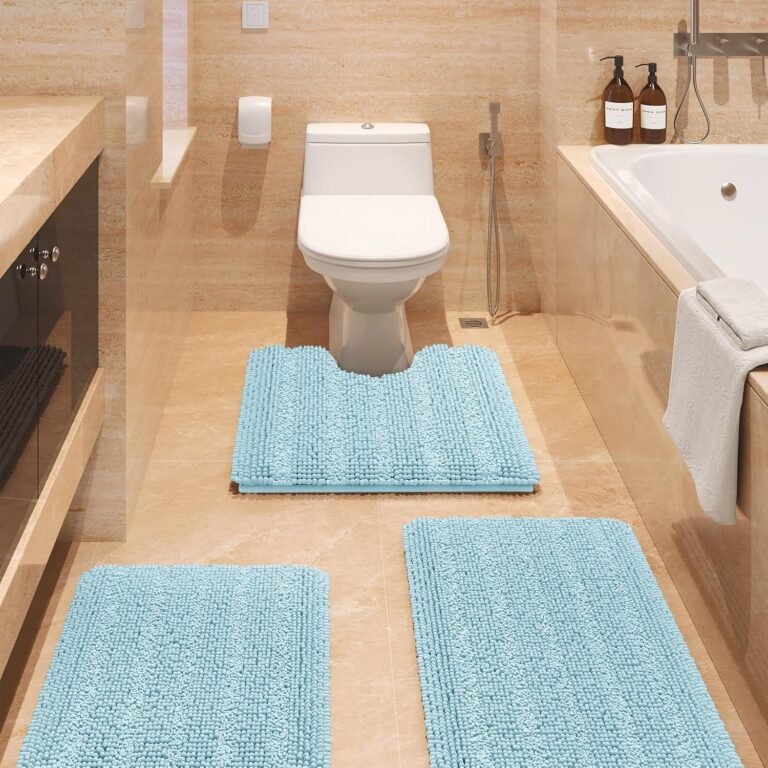
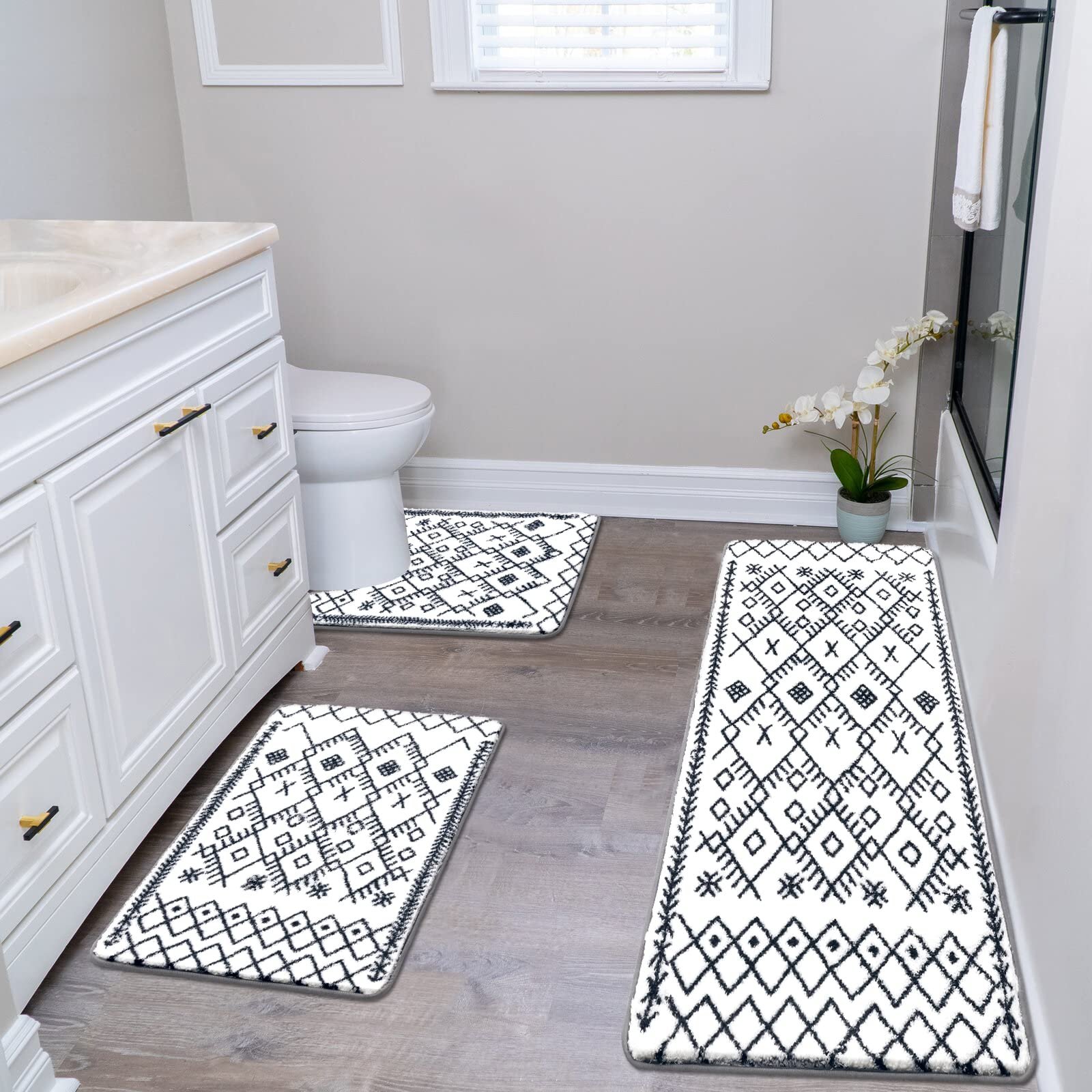
A bathroom rug set is a group of coordinated floor coverings made for areas such as the sink, shower, bathtub, or toilet. Most sets include two or three pieces, but the exact contents vary by brand and size.
Common pieces include:
- A small bath mat for the shower or tub
- A longer rug for a double vanity or wide sink
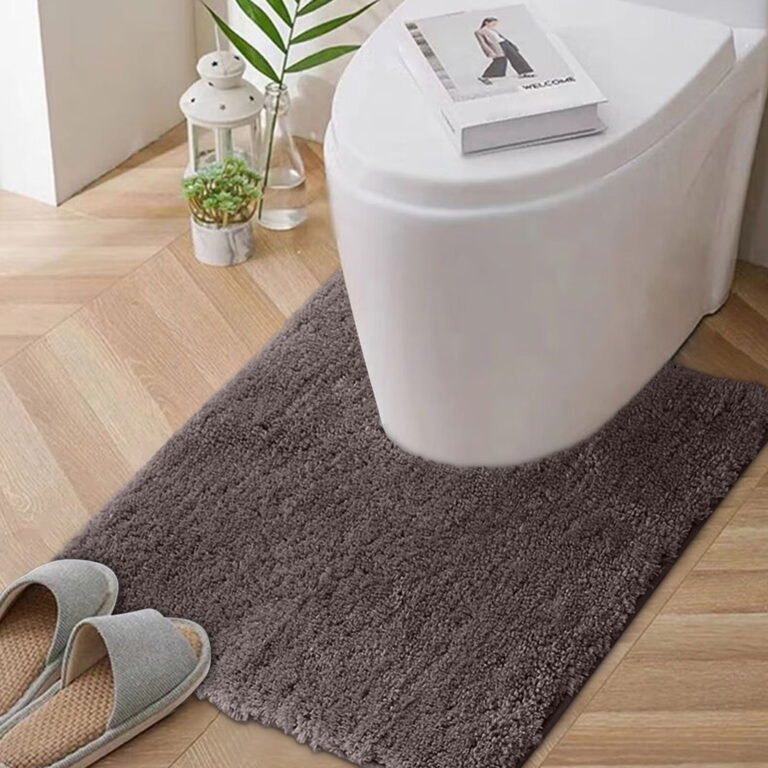
- A contoured mat that fits around a toilet base
- A small accent rug for an open floor area
A bath mat is often designed to absorb water after a shower. A bathroom rug may serve a wider decorative role. It may cover more floor space but may not dry as quickly as a purpose-made bath mat.
Common Set Sizes
Sizes vary, so use the product measurements instead of relying on labels such as “small” or “large.”
| Bathroom area | Common useful size range | Best use |
|---|---|---|
| Small shower or tub | About 17 by 24 inches to 20 by 30 inches | One person or a narrow floor area |
| Single vanity | About 20 by 30 inches to 24 by 36 inches | In front of a sink |
| Double vanity | About 20 by 48 inches to 24 by 60 inches | A long sink counter |
| Toilet area | About 20 by 20 inches to 24 by 24 inches | Around the base of a toilet |
| Large open bathroom | About 24 by 36 inches or larger | Center or accent area |
These are planning ranges, not universal standards. Door swings, cabinets, vents, and toilet clearance can change the best choice.

How to Choose the Right Bathroom Rug Set
Choose a bathroom rug set by checking five things: floor space, water exposure, material, backing, and care needs. A set that looks attractive but stays damp or blocks a door will not work well.
1. Measure Before You Shop
Measure the clear floor area where each rug will sit. Then check the rug dimensions listed by the seller.
Leave enough space for:
- Doors to open without catching the rug
- Drawers and cabinet doors to move freely
- Toilet access and cleaning
- Floor vents to remain uncovered
- A person to stand with both feet on a stable surface
For a simple fit check, subtract the rug length from the available floor length:
Available clearance = floor length − rug length
For example, if the open floor in front of a vanity is 54 inches long and the rug is 48 inches long, the remaining clearance is 6 inches. That may fit, but the rug must still avoid the cabinet edge and door path.
Do the same calculation for width. A rug should not be forced into a space. If it curls against a wall or cabinet, it can become a trip hazard and may wear faster.
2. Match the Set to the Bathroom Layout
A set should support the room’s layout rather than cover every inch of floor.
For a small half-bath, one narrow rug may be enough. A two-piece set can work well in front of the vanity and toilet, but avoid a toilet mat if the area is too tight.
For a bathroom with a separate tub and shower, place the most absorbent mat where water lands first. A longer vanity rug can add comfort, but it should not replace a quick-drying mat beside the shower.
For a double vanity, a long rug can create a clean line. Two smaller rugs may be easier to wash and replace. They also work better when two people use the sink at different times.
3. Pick a Material for the Main Job
Different fibers balance softness, drying speed, durability, and wash care in different ways.
| Material | Main benefit | Main trade-off |
|---|---|---|
| Cotton | Soft feel and easy home laundering | Can hold water and take longer to dry |
| Microfiber | Fast water pickup and quick drying | May feel less natural and can flatten over time |
| Polyester | Color options and stain resistance | Absorbency depends on the weave and pile |
| Chenille | Soft, thick texture | Needs careful drying and may trap moisture |
| Bamboo or wood slats | Allows air flow under the feet | Less absorbent and can become slippery when wet |
| Memory foam | Cushioned feel | May dry slowly and may not suit every washer |
Cotton is a practical choice for people who want a familiar, washable fiber. Microfiber can suit bathrooms where quick drying matters. Thick chenille and memory foam may feel plush, but their deeper layers can stay wet longer.
No material is best for every bathroom. Choose absorbency for the shower area, easy care for a busy family bathroom, and comfort only when the rug can still dry well.
4. Check the Backing
A non-slip backing can help keep a rug in place, but it does not make any bathroom rug permanently slip-proof. Water, soap, floor dust, worn backing, and uneven tile can reduce traction.
Look for:
- A backing that lies flat
- Clear care instructions
- Compatibility with hard flooring
- No cracked, flaking, or sticky coating
- A surface that does not curl at the edges
Do not place a rug over a wet floor. Dry the floor first, then lay the rug flat. If the set does not have a suitable backing, use a rug pad made for bathroom use and follow both care instructions.
Avoid using a thick pad under a rug near a door. The extra height may interfere with the door or create an unstable edge.

Which Bathroom Rug Material Is Best?
The best bathroom rug material depends on how much water the rug receives and how often you can wash it. For most U.S. homes, washable cotton or quick-drying microfiber offers the most useful balance.
Cotton Bathroom Rugs
Cotton rugs are soft, widely available, and often machine washable. They may also be reversible or made with looped textures that feel comfortable underfoot.
The main concern is drying time. A wet cotton rug left on the floor can develop a stale smell. Hang it or spread it out after use when the care label allows.
Microfiber Bathroom Rugs
Microfiber rugs use very fine fibers that can pick up water from feet. Many are light and dry faster than thick cotton rugs.
Check the label before washing. Some microfiber products should not be washed with lint-producing fabrics, and high heat may damage certain fibers or backings.
Memory Foam and Thick Pile
Memory foam and high-pile rugs provide more cushioning. They may help people who prefer a soft feel while standing at a vanity.
Their thicker construction can hold moisture inside the rug. This matters in bathrooms with poor airflow or frequent use. If the rug feels cool or damp hours after use, choose a thinner, faster-drying design.
Natural Wood and Bamboo
Wood slat mats allow air to move below the feet and do not absorb water like fabric. They can work near a tub or in a well-ventilated space.
They need a stable, level floor. Clean them according to the maker’s instructions, and remove them if the surface becomes slick, cracked, or hard to keep clean.

How to Make a Bathroom Rug Set Safer
Keep rugs flat, dry, and clear of moving doors. The greatest safety problems usually come from curled edges, loose rugs, wet floors, or worn backing.
Use this safety check:
- Place the rug on a clean, dry floor.
- Smooth all corners and edges.
- Walk across it with dry feet.
- Open nearby doors and cabinets.
- Check that the rug does not shift or bunch.
- Inspect the backing each time you wash it.
- Remove the rug if it curls, cracks, or slides.
A rug can move even when it is sold as “non-slip.” Treat that phrase as a design feature, not a guarantee for every floor.
Older adults, children, and people with limited balance may need extra care. A clear floor with a flat, stable surface may be safer than a thick rug. If a rug moves when pressed with a foot, stop using it until the cause is fixed.
Do not place rugs over floor vents unless the vent remains fully open and the rug is approved for that use. Blocked vents can affect airflow and may damage the rug or heating system.

How to Wash and Maintain Bathroom Rugs
Follow the sewn-in care label first. The Federal Trade Commission requires care instructions on many textile products sold in the United States, but instructions still vary by construction, fiber, dye, and backing.
A basic care routine is:
- Shake out loose hair and dust outdoors or over a trash can.
- Read the care label before washing.
- Wash rugs separately from clothing when possible.
- Use the recommended water temperature and cycle.
- Avoid bleach unless the label permits it.
- Dry as directed.
- Return the rug only when it is fully dry.
Do not use high heat on a rubber or latex backing unless the manufacturer allows it. Heat can damage the backing, cause cracks, or make the rug curl. A damaged backing can increase sliding risk.
Wash a bathroom rug when it becomes visibly dirty, smells stale, or has been exposed to body fluids or cleaning chemicals. Homes with children, pets, or many daily users may need more frequent washing.
Between washes, hang the rug over a shower rod or drying rack if the material allows it. Do not leave a wet rug folded on the floor. Good airflow is often more useful than adding fragrance or fabric softener.
Replace a rug when the pile stays damp, the backing peels, the edges curl, mildew remains after washing, or the rug no longer stays in place.

How to Choose Colors and Patterns for a Bathroom Rug Set
Choose colors based on the bathroom’s fixed features, such as tile, vanity cabinets, walls, and hardware. A coordinated set does not need to match every item exactly.
Useful approaches include:
- Use a neutral rug with patterned shower curtains or towels.
- Repeat one color from the wall or tile.
- Choose a darker pattern if stains are a concern.
- Use light colors in a small bathroom to keep the room feeling open.
- Select two-tone designs when you want a set that hides light lint.
Color does not determine cleanliness. A dark rug can hide marks, while a light rug can make soil easier to see. Both still need regular washing.
Avoid choosing a set only because its photos show a perfect match. Check the actual measurements, material, backing, and care instructions. Online colors can also look different under bathroom lighting.

Common Mistakes When Buying Bathroom Rugs
The most common mistake is buying a set before measuring the room. A rug that is only a few inches too large can block a door, cover a vent, or press against a cabinet.
Other mistakes include:
- Choosing a thick rug that cannot dry between uses
- Assuming “non-slip” means safe on every floor
- Ignoring the care label
- Putting a toilet mat in a cramped area
- Washing a rug with damaged backing
- Covering a drain, vent, or floor outlet
- Using a rug pad that raises the edge too high
- Buying a set with pieces that do not fit the same room
A matching set is not always the best set. Two washable rugs in different sizes may work better than three pieces that crowd the floor.

Quick Buying Checklist
Before buying a set of bathroom rugs, confirm the following:
- The measurements fit the clear floor area.
- Doors and drawers open freely.
- The main bath mat covers the wettest exit area.
- The material suits the room’s drying conditions.
- The backing lies flat and matches the floor type.
- The care label fits your washer and dryer.
- The rug does not cover a vent.
- The edges are low and do not curl.
- The pieces support the bathroom’s layout.
- You can replace one damaged piece without replacing the whole set.
If you rent, avoid adhesives or backing treatments that may mark the floor. If you have radiant floor heating, follow the flooring and rug maker’s instructions before covering large areas.

Frequently Asked Questions
How many bathroom rugs should be in a set?
Most bathrooms need one or two rugs. A shower mat and a vanity rug cover the main wet and standing areas. Add a toilet mat only if the room has enough clear space and the mat does not interfere with cleaning or movement.
Should a bathroom rug go inside or outside the shower?
Place the absorbent mat outside the shower or tub, where it catches water as you step out. Do not use a fabric rug inside a shower unless it is specifically made for wet-area use and has a safe, stable design.
Are bathroom rugs with rubber backing safe?
They can be useful, but the backing must stay flat and intact. Rubber or latex can wear, crack, become sticky, or mark some floors. Inspect the backing often and follow the care label.
Can bathroom rugs go in the dryer?
Some can, but not all. Check the care label. Thick rugs and rugs with rubber, latex, foam, or specialty backing may require air drying or low heat.
How often should bathroom rugs be washed?
Wash them when they smell stale, look dirty, or remain damp. A frequently used family bathroom may need washing more often than a guest bathroom. Dry the rug fully after each wash.
Final Recommendation
Choose a bathroom rug set by function first and style second. Measure the floor, select a material that can dry in your bathroom, check the backing, and follow the care label. For many U.S. homes, a washable cotton or microfiber set with flat edges and a stable backing is a practical starting point.
The best next step is to measure the spaces beside the shower, tub, vanity, and toilet. Record the available length and width, then compare those numbers with the exact measurements of each set.