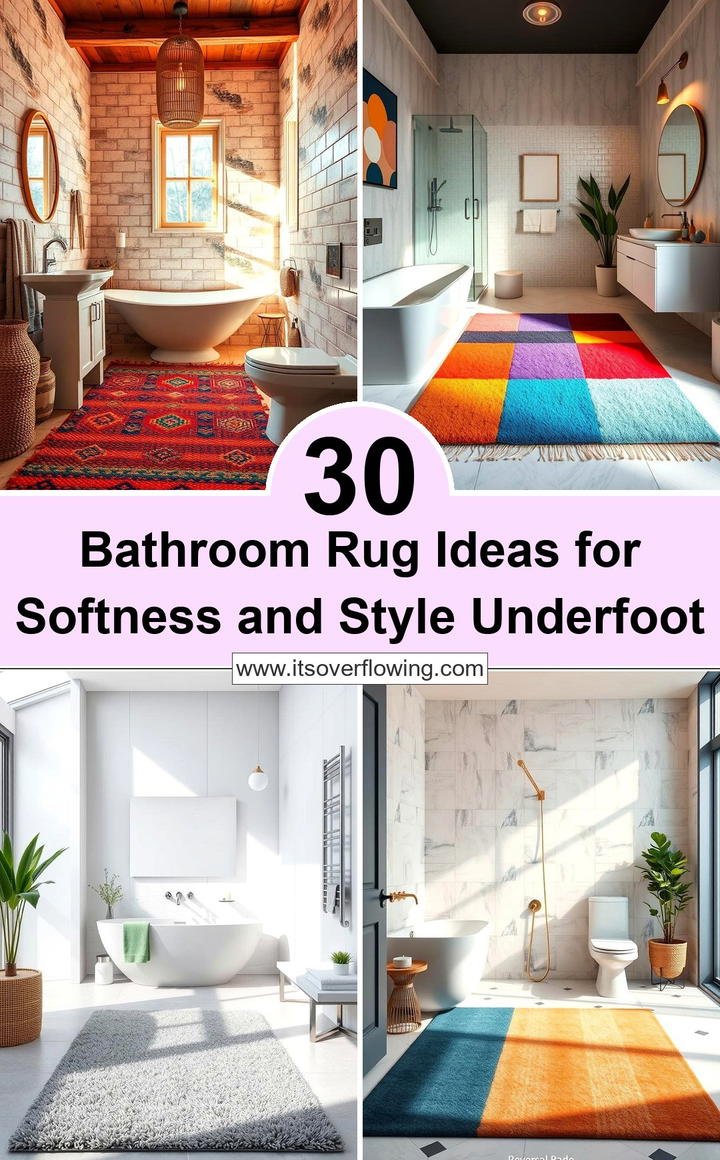
Are Bathroom Rugs Out Of Style: 2026 Style Guide
Introduction
bathroom rugs are not out of style in American homes. The old matching toilet-cover set, shaggy pile, and overly busy prints may look dated, but a simple bath mat can still add comfort, color, and safety to a U.S. bathroom.
The best choice depends on the room, the rug’s material, and how well you can clean and dry it. A flat, washable mat often looks more current than a thick, fuzzy rug. In a small bathroom, no rug at all may create a cleaner look.

Quick Answer: Are Bathroom Rugs Out of Style?
No. Bathroom rugs are still useful and can look modern when chosen with care. The style has changed more than the function.
Today, many homeowners favor:
- Simple shapes
- Solid colors or soft patterns
- Low-pile materials
- Washable fabrics
- Neutral shades
- Rugs that sit near the shower or tub rather than around every fixture
A bathroom rug can soften hard tile, protect bare feet from a cold floor, and help absorb water. Yet it can also trap moisture, collect dirt, or create a trip hazard when it is too thick or poorly placed.
The question is not whether bathroom rugs are fashionable. The better question is whether the rug fits the room and works with your cleaning habits.
What Makes a Bathroom Rug Look Dated?
Certain bathroom rug styles are more likely to make a room look old-fashioned. They are not always bad, but they can compete with newer bathroom designs.
Toilet-cover and pedestal mat sets
A matching rug that wraps around the base of the toilet is often seen as an older design choice. It can also be harder to clean because it sits close to the toilet base.
A single mat placed in front of the shower or vanity usually gives the room a more open look. It also leaves more of the floor visible.
Long shag or very thick pile
Thick rugs feel soft, but they may hold more water and take longer to dry. In a humid bathroom, that can lead to a musty smell.
High-pile rugs can also catch under doors. If the edge curls or moves, the rug may become a tripping risk.
Loud themes and matched sets
Novelty prints, seashell designs, and perfectly matched towel-and-rug sets can date a bathroom quickly. They may still work in a child’s bathroom or a themed space, but they are less flexible than plain designs.
Too many rugs
Covering nearly every open area can make a bathroom feel smaller. It may also create more places for water, hair, and dust to collect.
One well-placed mat often looks more current than three or four small rugs.

When Bathroom Rugs Still Make Sense
Bathroom rugs remain practical in many U.S. homes. They are especially useful when the floor is cold, smooth, or often wet.
In front of a shower or tub
This is the most common and useful location. A mat can catch water when someone steps out of the shower.
Choose a size that gives you a stable place to stand without blocking the door. The mat should lie flat and leave enough room for the bathroom door to open fully.
In front of a vanity
A narrow runner or small mat can make a hard floor more comfortable during a morning routine. This works well in larger bathrooms with a long vanity.
Avoid placing the rug where it touches the toilet base or blocks drawers. A small gap around fixtures can make cleaning easier.
In a child’s bathroom
Children may spill water more often. A washable bath mat can help protect the floor and provide a softer landing after bath time.
Use extra care with the backing. A mat that slides on tile can be unsafe, especially for children and older adults.
In bathrooms with cold flooring
Stone, ceramic tile, and porcelain can feel cold in winter. A rug adds warmth without requiring a flooring change.
If the room has radiant floor heating, check the flooring and rug manufacturer’s instructions. Some rug backings may affect heat flow or discolor the floor.
When You May Want to Skip a Bathroom Rug
A rug is not required for a stylish bathroom. Some spaces work better without one.
You may prefer a rug-free bathroom when:
- The room has very limited floor space.
- Water rarely leaves the shower or tub.
- You want the floor pattern to stand out.
- You have a strong cleaning routine but do not want extra laundry.
- The rug would block a door, drawer, or cabinet.
- The room has a high risk of falls.
- You cannot keep the mat dry between uses.
A bare floor can look clean and modern. However, it may become slippery when wet. Good ventilation, a shower door or curtain that limits splash, and prompt drying still matter.

How to Choose a Modern Bathroom Rug
The best bathroom rug balances appearance, drying time, grip, and care. Start with function, then choose the color and pattern.
1. Pick the right material
Common options include cotton, microfiber, polyester, bamboo, and synthetic blends.
| Material | Main benefit | Main limit | Best use |
|---|---|---|---|
| Cotton | Soft and often machine washable | Can stay wet for a long time | Frequently washed mats |
| Microfiber | Absorbs water and dries fairly fast | May need frequent washing | Busy family bathrooms |
| Polyester | Resists fading and offers many designs | May feel less natural | Decorative, low-maintenance use |
| Bamboo | Firm and quick to dry on a slatted design | Less soft underfoot | Minimalist bathrooms |
| Synthetic blend | Often durable and easy to clean | Quality varies | General everyday use |
A material label does not tell the whole story. Weave, thickness, backing, room airflow, and wash instructions also affect performance.
2. Favor a low profile
A low-profile mat usually looks cleaner and creates less trouble near doors. It is also easier to vacuum around.
Look for a flat edge and a backing that does not crack, peel, or leave residue. Do not assume a rubber backing is automatically slip-proof.
3. Use color to support the room
Neutral colors such as white, beige, gray, taupe, and muted blue can create a calm look. Dark colors may hide stains but can show lint and light hair.
A rug can also add contrast. For example, a muted green mat may work well with white tile and wood-tone cabinets.
Use the rug to repeat a color already found in the room. This usually looks more balanced than adding a new, unrelated shade.
4. Match the size to the layout
Measure the open floor area before buying. Leave enough clearance for doors, drawers, and cabinets.
As a simple guide:
- Use a small mat in front of a tub or shower.
- Use a longer runner only when the room has a clear, open path.
- Avoid placing a rug under a swinging door.
- Keep the mat flat against the floor.
- Do not overlap several mats unless the layout truly needs them.
The right size should look intentional, not like a piece of fabric placed wherever space is available.
5. Check the care label
A washable rug is useful only if it fits your washer and drying method. Before buying, check:
- Machine-wash instructions
- Dryer instructions
- Recommended water temperature
- Bleach restrictions
- Backing care
- Colorfastness
- Required drying time
If the rug must be air-dried, make sure you have a place to hang it. A damp rug left on the floor may develop an odor even when it looks clean.

Bathroom Rug Safety and Hygiene
Bathroom rugs need regular care because they often absorb water, skin oils, soap residue, and dirt. A clean-looking rug may still stay damp below the surface.
The U.S. Centers for Disease Control and Prevention recommends fall-prevention measures such as removing hazards and improving safety in the home. A loose bathroom mat can become one of those hazards, especially on smooth flooring. See the CDC’s STEADI fall-prevention resources.
Follow these basic steps:
- Use a stable mat. Choose a product designed for bathroom floors. Test it by pressing and lightly moving it with your foot.
- Keep the floor and backing dry. Moisture between the mat and floor can reduce grip.
- Hang the mat after use when possible. Airflow helps it dry faster.
- Wash it according to the care label. Do not use harsh cleaners unless the manufacturer allows them.
- Inspect the backing. Replace the mat if the backing peels, cracks, curls, or leaves a sticky film.
- Replace damaged rugs. A worn rug is not worth keeping because it matches the room.
Do not place a loose rug inside a shower or bathtub. Use a product made for wet-area use, and follow its instructions. For households with older adults, young children, or anyone with balance problems, reducing loose floor coverings may be the safer choice.
Ventilation also matters. Use the bathroom fan during showers and for a period afterward if the fan is rated and installed for that use. Open a window when practical. These steps can help the room and rug dry more quickly.
For information about moisture and mold control, refer to the U.S. Environmental Protection Agency’s mold and moisture guidance.

Bathroom Rugs vs. Bath Mats: What Is the Difference?
The terms are often used together, but they can describe different priorities.
A bath mat is mainly designed to absorb water after a shower or bath. It is usually placed beside the tub or shower.
A bathroom rug is more decorative. It may be used near a vanity, toilet, or open floor area. Some rugs are not designed to become wet often.
This difference matters when shopping. A decorative rug may look attractive but may not dry well. A bath mat may perform better but have a simpler appearance.
Before buying, ask:
- Will this item get wet every day?
- Can I wash it at home?
- Does it dry fast enough?
- Does it stay flat?
- Will the backing work with my floor?
- Can I replace it without changing the whole room?
If the answer to the first question is yes, choose a true bath mat or a washable bathroom rug made for frequent moisture.
What Bathroom Rug Styles Look Current?
No single style is right for every U.S. bathroom. Still, several design choices tend to look fresh because they are simple and easy to adapt.
Flat or low-pile mats
These mats have a clean shape and do not overwhelm small rooms. They also work well with modern vanities and open floor plans.
Soft, muted patterns
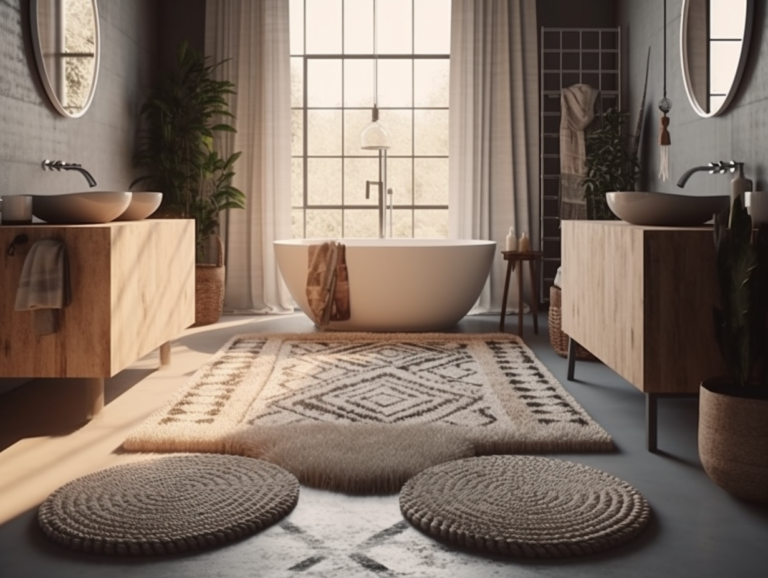
Small stripes, subtle checks, faded geometric shapes, and quiet botanical designs can add interest without taking over the room.
Natural-looking textures
Woven cotton, stone-inspired colors, and bamboo-style surfaces can complement wood cabinets and neutral tile. Natural appearance does not always mean natural fiber, so read the care label.
One larger, well-placed mat
A single mat can create a more deliberate look than several small pieces. Make sure it does not make the walkway narrow or interfere with doors.
Coordinated, not identical, pieces
Your rug does not need to match your towels exactly. It can share one color, texture, or tone with the rest of the room.

Common Bathroom Rug Mistakes
A rug can look good in a product photo but work poorly at home. These mistakes are common.
Buying by appearance alone
A thick, soft rug may feel appealing in a store. In use, it may take too long to dry or catch beneath a door.
Better approach: Check the pile height, backing, wash instructions, and expected drying time before choosing a style.
Choosing a rug that is too small
A tiny mat may shift when you step on it. It can also leave most of the splash area uncovered.
Better approach: Measure the space and choose a mat large enough for a stable step.
Leaving the rug in place all week
A mat that stays on the floor can hide moisture, dust, and damage to the backing.
Better approach: Lift it often. Clean and dry both the rug and the floor beneath it.
Using a non-bathroom rug
A living room or bedroom rug may not tolerate repeated water exposure. Its backing may also be unsuitable for tile.
Better approach: Use a product labeled for bathroom or bath use, and follow its care instructions.
Keeping a worn rug too long
Peeling backing, curled corners, mildew odor, and permanent dampness are signs that replacement may be more sensible than repair.

A Simple Decision Guide
Use this guide to decide whether a bathroom rug makes sense for your space.
| Your bathroom condition | Practical choice |
|---|---|
| Water often splashes outside the shower | Use a washable, low-profile bath mat |
| The room is small and crowded | Use one small mat or skip the rug |
| The floor is cold but stays dry | Use a low-pile rug with a stable backing |
| The room has older occupants or fall concerns | Limit loose rugs and prioritize secure flooring |
| You want a cleaner, modern look | Choose one simple mat in a calm color |
| You dislike frequent laundry | Skip fabric rugs or choose a quick-dry design |
| The rug smells musty | Wash, dry the floor, improve airflow, or replace it |
| The backing is cracked or curling | Replace the rug |
The deciding trade-off is simple: more fabric can add comfort and absorbency, but it can also require more care.
Frequently Asked Questions
Are bathroom rugs still popular in 2025?
Bathroom rugs remain a normal design choice, but preferences vary by home. Current-looking bathrooms often use fewer rugs, simpler shapes, and washable low-profile materials rather than full matching sets.
Should a bathroom have a rug in front of the toilet?
It does not need one. A toilet-cover mat may be harder to clean and can make the room look dated. If you use a rug nearby, choose a flat, washable mat that does not touch the toilet base.
Is it better to have a bathroom rug or no rug?
Choose a rug when you need water absorption, warmth, or comfort. Skip it when the room is too small, the mat will not dry, or the rug creates a slip or trip concern.
How often should you wash a bathroom rug?
Wash it when the care label allows and whenever it becomes damp, dirty, or odorous. A busy bathroom may require more frequent washing than a lightly used guest bathroom. Dry the rug fully before returning it to the floor.
What is the safest type of bathroom rug?
A low-profile, washable mat that lies flat and stays stable is a sensible choice. No rug is automatically safe on every floor. Check the backing, inspect it often, and remove it if it slides or curls.
Key Takeaways
- Bathroom rugs are not out of style in the United States.
- Simple, low-profile, washable mats usually look more current than thick matching sets.
- Place rugs near the shower, tub, or vanity instead of covering the entire floor.
- Choose a rug based on grip, drying time, size, and care—not appearance alone.
- Remove or replace any mat that slides, curls, smells musty, or has damaged backing.
- A rug-free bathroom can be stylish and practical when the floor stays dry and safe.
Conclusion
Bathroom rugs are still useful and can look modern. The dated look usually comes from bulky pile, toilet-cover shapes, loud themes, or too many matching pieces—not from the idea of using a rug itself.
For most U.S. bathrooms, the safest design choice is a simple, flat, washable mat placed where water lands. If you cannot keep it clean, dry, and stable, leaving the floor bare is the better option.