Do People Still Use Bathroom Rugs: Modern Style Guide
Yes, people in the United States still use bathroom rugs and bath mats. They remain useful for drying feet, adding warmth, reducing water on the floor, and making hard surfaces less slippery.
However, not every bathroom rug is a good choice. A thick rug that stays damp, slides on tile, or sits around the toilet can create cleaning and safety problems. The best option is a washable, quick-drying mat placed only where it serves a clear purpose.
Why Do People Still Use Bathroom Rugs?
People use bathroom rugs because bathroom floors are often hard, cold, and wet. A bath mat gives wet feet a softer place to land after a shower or bath.
A rug can also help protect some floors from small amounts of water. This matters near a tub, shower, or sink. Standing water can damage certain flooring materials and may increase the risk of slips.
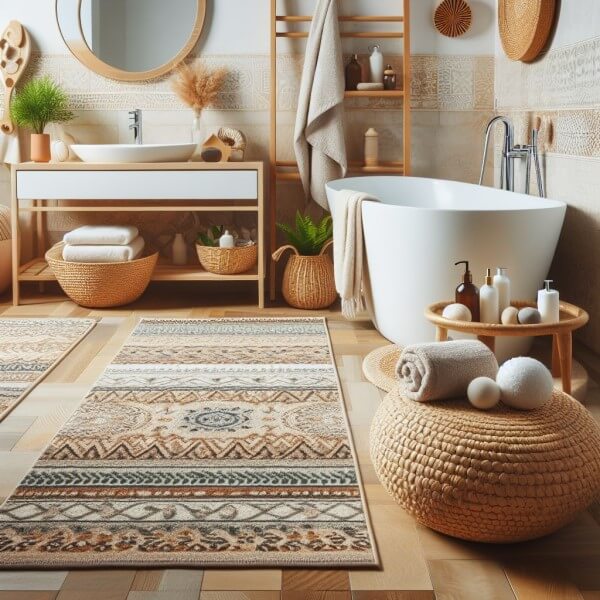
Bathroom rugs also add color and texture. In many U.S. homes, they help the room feel warmer and less plain.
Still, a bathroom rug is not required. A bathroom with good ventilation, a dry shower area, and slip-resistant flooring may work well without one.
Bathroom rug vs. bath mat
These terms often mean different things:
- Bath mat: A small mat placed outside a tub or shower. Its main job is to absorb water.
- Bathroom rug: A broader decorative rug used in another part of the bathroom.
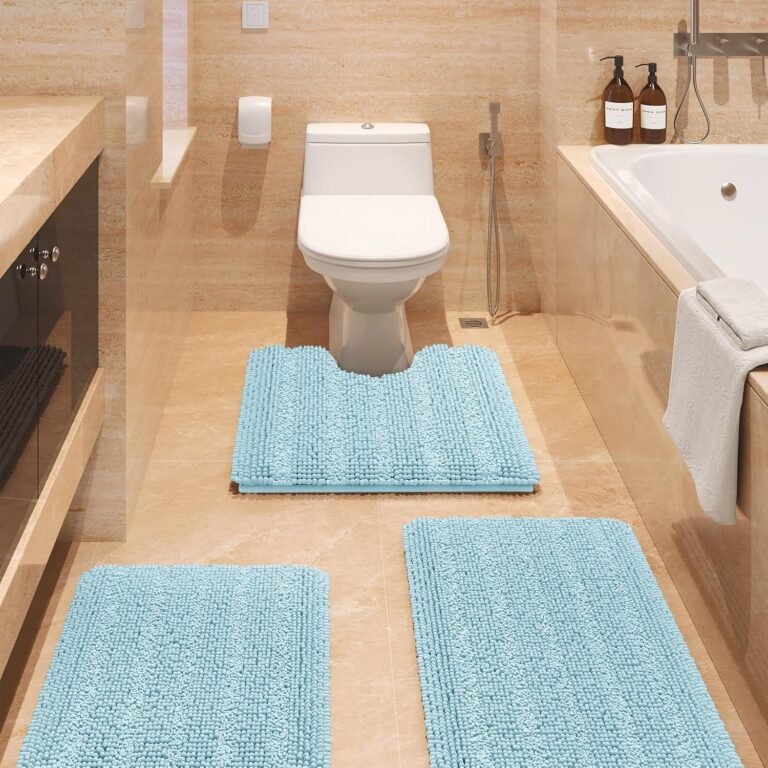
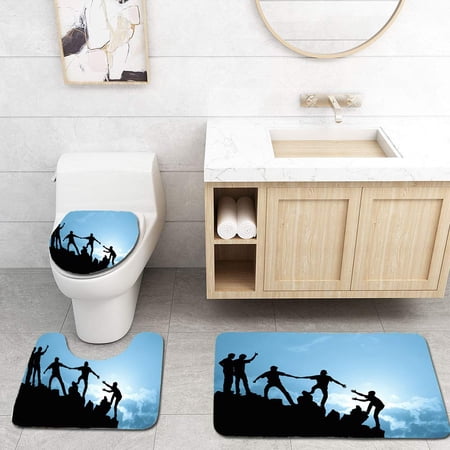
- Toilet rug: A contoured mat designed to fit around the base of a toilet.
- Shower mat: A mat used inside a shower or tub. It must be made for wet use and should have a secure grip.
A bath mat is usually the most practical choice. A large decorative rug may be harder to wash and slower to dry.
Are Bathroom Rugs Hygienic?
Bathroom rugs can be hygienic when they dry fully between uses and are washed on a regular schedule. They become less sanitary when they remain wet, collect hair, or sit on a damp floor for long periods.
Moisture is the main issue. The U.S. Environmental Protection Agency explains that mold needs moisture to grow. A wet rug can trap moisture against the floor and create an odor or mold risk over time. See the EPA guidance on mold and moisture.
A bathroom rug can also collect:
- Skin flakes
- Hair
- Dust
- Soap residue
- Water from the toilet or sink
- Dirt from bare or slippered feet
This does not mean bathroom rugs are unsafe by default. It means they need care, just like towels and shower curtains.
How often should you wash a bathroom rug?
There is no single schedule for every home. A useful starting point is:
- Wash weekly in a busy household or a shared bathroom.
- Wash every one to two weeks in a lightly used bathroom.
- Wash at once if the rug smells, feels damp, shows visible soil, or becomes contaminated.
Homes with young children, pets, older adults, or people with reduced immunity may need more frequent cleaning. Follow the rug’s care label. Some rubber-backed mats can crack or shed when exposed to high heat.
The CDC provides general cleaning guidance for homes, including the value of regular cleaning and following product directions. Cleaning removes dirt and many germs, but it does not replace handwashing or proper toilet hygiene. See CDC cleaning and disinfecting guidance.
When should you replace a bathroom rug?
Replace a mat when it has any of these problems:
- A lasting musty smell after washing
- Mold or mildew that does not come out
- A cracked, peeling, or sticky backing
- Frayed edges that create a trip hazard
- Flattened fibers that no longer absorb water
- A backing that no longer grips the floor
- Stains that remain after proper washing
A rug that looks clean may still be a poor choice if it cannot dry or stay in place.
Do Bathroom Rugs Make Floors Safer?
A well-made bath mat can reduce water on the floor. That may lower the chance of a slip, but a rug is not a guarantee of safety.
The wrong mat can increase risk. A loose edge, curled corner, smooth backing, or wet pile may cause a person to trip or lose balance. This matters most for older adults, young children, and anyone with limited balance.
The U.S. Consumer Product Safety Commission advises consumers to reduce bathroom hazards, including slippery surfaces. A bathroom rug should support that goal, not add a new hazard.
What makes a bathroom rug safer?
Look for:
- A flat profile
- A stable, non-slip backing
- Strong grip on your type of floor
- No curled edges
- A size that fits the space without blocking a door
- A surface that dries quickly
- A backing that is safe for the floor material
Do not assume that every rubber or latex backing is safe for every floor. Some backings can discolor vinyl, damage finishes, or leave residue. Check the flooring maker’s care instructions.
Should you use a rug inside the shower?
Only use a mat inside a shower or bathtub if it is made for that location. A normal bathroom rug is not designed for standing water.
An inside-the-shower mat should have:
- Drainage holes or a water-friendly surface
- Suction cups or another secure grip
- A size that fits without blocking the drain
- Materials intended for wet areas
- A design that can be cleaned and dried
Suction cups work best on a clean, smooth surface. They may not work well on textured tile, stone, grout lines, or rough fiberglass. Lift and clean the mat often so water does not remain trapped underneath it.
Where Should You Put a Bathroom Rug?
Place a rug where water commonly lands and where it can dry. The most useful location is often directly outside the tub or shower.
Common placement options include:
| Location | Main benefit | Main concern |
|---|---|---|
| Outside the shower | Catches water from wet feet | Can stay damp in a poorly ventilated room |
| Outside the bathtub | Adds warmth and absorbs splashes | May block a door or cabinet |
| In front of the sink | Softens the standing area | Can collect water from handwashing |
| Around the toilet | Covers floor space | Harder to clean and may collect spills |
| Inside the shower | Adds traction when designed for wet use | Needs frequent cleaning and secure grip |
Leave enough open floor for doors, drawers, and cabinet doors to move freely. Do not place a rug where it can bunch under a door or cover a floor vent.
Are toilet rugs a good idea?
Toilet rugs are optional, not essential. They can make a room feel coordinated, but their shape may trap dirt and moisture around the toilet base.
A flat, washable mat is usually easier to clean than a thick contoured toilet rug. In homes with children, pets, or frequent splashes, an open floor may also be simpler to maintain.
If you use a toilet rug, wash it often and remove it before cleaning the floor around the toilet. Never treat the rug as a substitute for cleaning the toilet base and nearby floor.

What Type of Bathroom Rug Is Best?
The best bathroom rug depends on your floor, moisture level, washing habits, and safety needs. For most U.S. bathrooms, a small, washable, low-pile bath mat is the most balanced option.
Cotton bath mats
Cotton mats are soft and absorbent. Many can go in a washing machine, which makes them easy to maintain.
Their limits are clear: cotton can hold a lot of water and may dry slowly. Hang it or spread it out after use. Do not leave a wet cotton mat folded on the floor.
Microfiber mats
Microfiber mats often dry faster than thick cotton mats. They can feel soft underfoot and may collect small drops well.
Check the care label. Some microfiber mats lose shape or performance when washed with products that leave residue.
Memory foam mats
Memory foam mats feel cushioned, but the dense inner layer can hold moisture. They may take longer to dry and can be less suitable for a bathroom with poor airflow.
Choose one only if you can wash and dry it fully. A thick mat is not automatically more comfortable in daily use.
Wood or bamboo mats
Wood slat mats let air move through the spaces between slats. They can dry quickly when placed on a level, well-drained floor.
They may feel less soft than fabric. They also need cleaning underneath, since water and hair can collect below the slats.
Rubber and plastic mats
Rubber and plastic mats are often useful in wet areas and can be easy to rinse. Their performance depends on their grip, drainage, and compatibility with the floor.
Never rely on material alone. A rubber mat can still slide if the floor is dusty, soapy, wet, or uneven.
How Do You Clean and Maintain a Bathroom Rug?
Clean the rug according to its label, then dry it completely before putting it back. This simple routine helps control odor, soil, and moisture.
- Shake or vacuum the rug. Remove hair, dust, and loose debris.
- Check the care label. Look for washing temperature, drying limits, and bleach warnings.
- Wash it with suitable items. Avoid overloading the machine.
- Use the recommended cleaner. Too much detergent can leave a film that attracts dirt.
- Dry it fully. Use the permitted dryer setting or hang it in a well-ventilated place.
- Clean the floor below it. The floor also needs to dry before the rug returns.
- Inspect the backing. Replace the rug if it flakes, cracks, or feels sticky.
Do not put a damp rug back on the floor just because the top feels dry. The underside may still hold water.
How can you keep a bathroom rug dry?
Use these habits:
- Hang the mat after each shower.
- Run the bathroom exhaust fan during and after a shower.
- Open the door when practical to improve airflow.
- Wipe up large spills instead of asking the rug to absorb them.
- Keep the rug away from a leaking toilet, sink, or tub.
- Rotate between two washable mats if one cannot dry before the next use.
The EPA recommends controlling moisture to help prevent mold. If you see recurring dampness, fix the source rather than adding a thicker rug.

When Should You Skip Bathroom Rugs?
Skip a bathroom rug when it creates more work or risk than value. An open, dry floor may be the better choice in some homes.
Consider going without one if:
- The room has poor ventilation.
- The rug cannot dry between uses.
- The floor is already slip-resistant and comfortable.
- The mat slides on the flooring.
- A household member may trip on low edges.
- The rug blocks a door, drawer, or floor vent.
- The backing damages or stains the floor.
- You do not have time to wash it often.
A shower squeegee, absorbent towel, or improved exhaust fan may solve the real problem better than a rug. If water repeatedly reaches the floor, inspect the shower door seal, curtain, drain, or plumbing.
Bathroom rugs and accessibility
People with balance or mobility limits may need a bathroom designed around stable surfaces and clear paths. A rug can help by absorbing water, but it can also move underfoot.
For a higher-risk bathroom, favor:
- A securely anchored mat
- Flat edges
- Clear walking space
- Good lighting
- Grab bars installed according to appropriate guidance
- A dry floor near the toilet and shower
For major accessibility changes, consult a qualified occupational therapist, contractor, or other appropriate professional. A loose rug should not be used as the only fall-prevention measure.
A Simple Decision Guide
Use a bathroom rug if you want a warmer floor, need to catch water, and can wash and dry the mat regularly.
Skip it if the room stays damp, the mat moves, or the floor is safer and easier to clean without one.
| Your situation | Practical choice |
|---|---|
| Water lands outside the shower | Use a flat, washable bath mat |
| The bathroom stays humid | Use a quick-drying mat or no rug |
| Older adult uses the bathroom | Use a secure, flat mat and keep the path clear |
| Small children use the tub | Use a properly secured tub mat made for wet use |
| You want decoration only | Use a small washable rug away from splash zones |
| You dislike frequent washing | Skip fabric rugs or choose an easy-clean surface |
| The floor is damaged by water | Use a mat, but also fix the water source |
| The rug keeps sliding | Remove it until you can solve the grip problem |
The key question is not whether bathroom rugs are outdated. It is whether the rug stays clean, dry, flat, and secure in your bathroom.
Frequently Asked Questions
Are bathroom rugs out of style?
No. Bathroom rugs are still common in U.S. homes, but many people now choose simpler, smaller mats instead of full matching rug sets. Style is personal; function and maintenance matter more than trends.
Should bathroom rugs match the shower curtain?
They can match, but they do not need to. A neutral mat often works with more decor styles and is easier to replace. Choose the size and material first, then consider color.
Is it better to have a bathroom rug or towel on the floor?
A bath mat is usually better than a regular towel because it is made to stay in place and handle floor traffic. A towel may bunch, slide, or create a trip risk.
Can you put bathroom rugs on heated floors?
Often, yes, but check the flooring and heating system instructions. Some thick or rubber-backed mats may block heat or react poorly to warmth. Use only materials approved for that floor system.
How many bathroom rugs do you need?
Most bathrooms need one mat outside the shower or tub. Add a second only if the sink or another area regularly becomes wet and the extra mat will not block movement.
What is the safest alternative to a bathroom rug?
The safest choice depends on the room. A clear, dry floor may be best, while a flat, secure bath mat may be better near a wet shower. The mat must stay in place and dry between uses.
Conclusion
People still use bathroom rugs because they can make a bathroom warmer, more comfortable, and less wet underfoot. A small, washable bath mat is often the most useful choice.
The main drawbacks are moisture, dirt, sliding, and difficult cleaning. Choose a low-profile mat, keep it flat and secure, wash it based on use, and dry it fully. If it stays damp or creates a trip hazard, remove it and address the source of the problem instead.