Can You Brush Out A Bathroom Rug: Easy Cleaning Guide
Yes, you can brush out a bathroom rug to remove loose hair, dust, lint, and dried dirt. Use a soft brush and gentle strokes. However, brushing does not replace washing. It will not remove deep stains, body oils, urine, mildew, or germs trapped in the rug.
For most homes in the United States, the safest method is to check the care label first, shake or vacuum the rug, brush it gently, and then wash it if the material allows. The right method depends on the rug’s fibers, backing, and condition.
When Should You Brush Out a Bathroom Rug?
Brush a bathroom rug when it has loose debris, flattened fibers, pet hair, or light surface dust. Brushing works best as a quick maintenance step between washes.
A brush can lift dirt that sits near the top of the pile. It can also help restore the soft look of a shag, chenille, cotton, or microfiber rug. Use a brush that matches the rug. A soft upholstery brush is a good general choice.
Do not brush a wet rug. Wet fibers can stretch, mat, or tear. Let the rug dry first unless the care label gives a different cleaning method.
Brushing is useful when:
- The rug has loose hair or lint.
- The pile looks flat.
- Dry dirt sits on the surface.
- The rug needs freshening between washes.
- You want to remove debris before laundering.
Brushing is not enough when:
- The rug smells sour or musty.
- You see black, green, or fuzzy growth.
- The rug has a large stain.
- The rug feels oily or sticky.
- The backing is peeling.
- The rug stayed wet for a long time.
In those cases, use the care label and clean the rug more deeply. A rug with visible mold, heavy damage, or a strong odor may need professional cleaning or replacement.
How to Brush Out a Bathroom Rug
Follow these steps to brush a bathroom rug without damaging its fibers or backing.
1. Read the care label
Look for washing, drying, and cleaning instructions. The label may state whether the rug is machine washable, hand washable, or dry clean only.
Pay close attention to the backing. Rubber, latex, foam, and non-slip coatings need more care than a plain cotton rug. Heat and harsh products may damage these materials.
If the label is missing, use the gentlest method. Avoid hot water, stiff brushes, bleach, and high-heat drying until you know the rug can handle them.
2. Take the rug outside or to a well-ventilated area
If possible, clean the rug away from the bathroom floor. This keeps loose dust from settling back onto nearby surfaces.
In an apartment or during bad weather, place the rug on a clean floor, over a large towel, or in a bathtub. Do not shake it near food, bedding, or clean laundry.
3. Remove loose dirt first
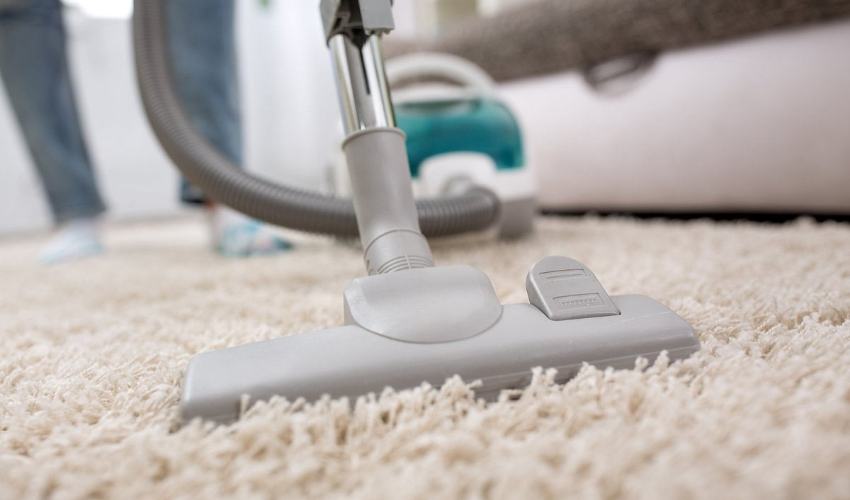
Shake the rug gently or vacuum it with a low-suction setting. Use an upholstery attachment if the rug has a delicate pile.
Do not use a rotating brush head on a fragile rug. It may pull threads, twist the pile, or damage the backing.
4. Choose the right brush
use a soft-bristle brush for most bathroom rugs. A clean clothes brush, upholstery brush, or soft carpet brush may work well.
Avoid wire brushes and very stiff scrub brushes. They can split fibers and scratch or strip the backing.
Use an old toothbrush only for small edges or seams. It is too small for brushing the whole rug and may create uneven wear.
5. Brush in the direction of the pile
Start at one corner. Brush with short, light strokes in the same direction as the fibers.
Do not press hard. Several light passes are safer than one forceful pass. If the rug has a long pile, lift sections gently and brush from the base toward the tips.
For a shag rug, work in small sections. Stop if the brush catches. Pulling harder can loosen the yarn.
6. Check the underside
Turn the rug over and inspect the backing. Remove hair and dust by hand or with a soft vacuum attachment.
Do not aggressively brush a rubber or latex backing. Cracking, flaking, and peeling are signs that the backing is breaking down.
7. Wash the rug if needed
Brushing removes surface debris, but washing is needed for most spills, odors, and body oils. Follow the label for water temperature, detergent, and drying.
Use a mild detergent unless the care instructions say otherwise. Rinse well. Soap left in the fibers can make the rug feel stiff and attract more dirt.
8. Dry it fully
Hang or lay the rug flat in a place with good airflow. Make sure both the top and bottom dry completely before putting it back on the bathroom floor.
A damp rug can develop a musty smell and may damage some floors. Do not return it to the bathroom while the backing or pad still feels damp.
Signs that brushing worked include:
- Less loose hair and lint.
- A cleaner-looking surface.
- More even, lifted fibers.
- No pulled threads.
- No new cracks in the backing.
- No strong odor after drying.
Which Bathroom Rugs Can You Brush?
Most bathroom rugs can be brushed, but each material needs a different touch. The safest brush and pressure depend on the fiber type.
| Bathroom rug type | Brushing method | Main caution |
|---|---|---|
| Cotton | Use a soft or medium-soft brush | Loose loops may snag |
| Microfiber | Use a soft brush or shake it out | Avoid rough bristles |
| Chenille | Brush gently in the direction of the pile | The yarn can flatten or pull |
| Shag | Work in small sections with a soft brush | Do not rake forcefully |
| Polyester | Use light strokes | Heat may harm some backings |
| Memory foam | Brush only the surface | Do not twist or wring the foam |
| Rubber-backed | Brush the fabric side only | Protect the backing from abrasion |
| Bamboo or wood slat | Wipe and dust instead | Brushing may scratch the surface |
| Handwoven or delicate | Use very light pressure | Consider professional cleaning |
Cotton rugs are often easier to clean because many are machine washable. Still, the care label controls. Some cotton rugs have dyed fibers, fringe, or a backing that cannot handle rough treatment.
Microfiber and chenille rugs can trap hair and lint. A soft brush can lift these materials, but aggressive brushing may flatten the pile.
Memory foam rugs need special care. Do not wring, twist, or scrub them hard. These actions can break the foam or cause the rug to lose its shape.
Can You Brush a Bathroom Rug With Rubber Backing?
Yes, but brush only the fabric side with a soft brush. Avoid scrubbing the rubber or latex backing.
Rubber-backed rugs can crack, peel, or crumble over time. Heat, direct sunlight, bleach, oil-based products, and rough handling may speed up this damage.
Before cleaning, bend the rug slightly and inspect the backing. Replace it if you see:
- Cracks.
- Flaking.
- Sticky patches.
- Bare areas.
- Pieces breaking off.
- A strong rubber smell after cleaning.
A damaged backing can leave bits on the floor and may reduce the rug’s grip. It can also create a slipping risk.
Do not assume that a non-slip rug can safely go in a hot dryer. Follow the care label. If the label allows machine drying, use the lowest suitable heat. Air drying is often gentler, but the rug must dry fully.
Brushing vs. Washing a Bathroom Rug
Brushing is best for loose surface debris. Washing is better for dirt that has entered the fibers.
| Cleaning need | Brushing | Washing |
|---|---|---|
| Remove lint | Good | Usually unnecessary |
| Lift pet hair | Good | May help after brushing |
| Remove dried dust | Good | Also effective |
| Remove body oils | Limited | Better |
| Remove urine or drink spills | Not enough | Usually needed |
| Remove mildew odor | Not enough | May help if damage is not severe |
| Restore flattened fibers | Often helpful | Sometimes helpful |
| Clean the backing | Limited | Follow label carefully |
Brush before washing when the rug has lots of hair or dry dirt. This reduces the debris that enters the washer.
Do not brush harder to treat a stain. Pressure can push the stain deeper or spread it across a larger area. Blot liquid spills, test any cleaner on a hidden spot, and follow the rug maker’s instructions.
How Often Should You Brush a Bathroom Rug?
Brush a bathroom rug whenever you see loose debris or flattened fibers. For a busy bathroom, a quick brush once a week can help keep surface dirt under control.
The rug may need more frequent care if:
- Several people use the bathroom.
- Pets enter the room.
- The rug sits near a shower or tub.
- The room has poor airflow.
- The rug has a deep or shaggy pile.
- Someone in the home has allergies or strong dust sensitivity.
Brushing does not set a universal washing schedule. Wash the rug when the label allows and when it looks dirty, smells bad, or has absorbed a spill.
Let the rug dry between uses. If the floor stays wet under the rug, improve ventilation and hang the rug after showers. A dry rug is less likely to develop odors than one left damp on the floor.
Common Mistakes When Brushing a Bathroom Rug
The most common mistake is using too much force. A bathroom rug can look durable while still having fragile loops, glued layers, or a thin backing.
Avoid these errors:
- Using a wire brush.
- Brushing against the pile with strong pressure.
- Brushing while the rug is soaking wet.
- Pulling at snags with the brush.
- Using a rotating vacuum head on delicate fibers.
- Applying bleach without checking the label.
- Mixing bleach with ammonia or acidic cleaners.
- Putting a rubber-backed rug in high heat.
- Leaving the rug damp on a wood or laminate floor.
- Returning a rug with a peeling backing to a wet bathroom.
Never mix cleaning chemicals. Bleach and ammonia can produce dangerous fumes. Use ventilation, keep children and pets away from wet cleaners, and follow the product label.
If the rug has visible mold, avoid dry brushing it indoors. Dry brushing can spread particles through the air. Wear suitable protection, isolate the rug, and follow local health guidance or seek professional cleaning when the growth is extensive.
What to Do if Brushing Does Not Work
If brushing does not remove the dirt, first identify the problem. A stain may be set into the fibers, or the rug may need washing rather than surface cleaning.
Use this troubleshooting order:
- Check whether the rug is dry. Let it dry fully before brushing again.
- Vacuum or shake out loose debris. Brushing cannot remove dirt hidden under a thick pile.
- Inspect the fibers. Pulling, matting, or damage may look like dirt.
- Read the care label again. The rug may require hand washing or special cleaning.
- Test a mild cleaner on a hidden area. Stop if the color changes or the fibers become rough.
- Wash and rinse as directed. Do not use more detergent than recommended.
- Dry both sides fully. Odor may remain if moisture is trapped.
- Replace the rug if the backing is damaged or the odor remains.
A rug that stays musty after proper cleaning may have trapped moisture, deteriorated foam, or hidden mold. Replacing a low-cost bathroom rug may be safer and more practical than repeated chemical treatment.
Key Takeaways
- Yes, you can brush out a bathroom rug to remove loose hair, dust, lint, and dried surface dirt.
- Use a soft brush and light strokes.
- Brush only when the rug is dry unless the care label says otherwise.
- Check the material and backing before cleaning.
- Rubber-backed and memory foam rugs need extra care.
- Brushing does not replace washing.
- Never use a damaged rug with peeling or crumbling backing.
- Dry the rug completely before returning it to the bathroom.
FAQs
Can I use a regular hairbrush on a bathroom rug?
A regular hairbrush may work for a small, soft-pile rug, but it is not ideal for large rugs. Its bristles may be too close together or too firm. A soft upholstery or fabric brush gives better control.
Can I brush a bathroom rug to remove mold?
No. Do not dry-brush visible mold indoors. Brushing may spread particles. Follow the care label, improve ventilation, and consider professional help if the growth is large, the rug stayed wet, or the odor remains.
Should I brush a bathroom rug before washing it?
Yes, brushing or vacuuming first can remove loose hair and dry dirt. This helps keep excess debris out of the washing machine. Use low suction or a soft brush on delicate rugs.
Can I use a stiff brush on a shag bathroom rug?
Usually, no. A stiff brush can pull out yarn and damage the base. Use a soft brush, work in small sections, and stop when the brush catches.
Why does my bathroom rug still smell after cleaning?
The rug may still contain moisture, detergent, body oils, or damaged backing. Dry both sides fully and inspect the underside. If the smell continues or the backing is peeling, replacement may be the best option.
How do I keep a bathroom rug cleaner for longer?
Shake or brush it regularly, hang it after use, improve bathroom airflow, and wash it according to the care label. Keep the rug away from standing water and make sure the floor beneath it is dry.
Conclusion
You can brush out a bathroom rug when you need to remove loose surface dirt, hair, lint, or flattened fibers. Use a soft brush, light pressure, and strokes that follow the pile.
For stains, odors, mildew, and deeply held dirt, brushing is only the first step. Check the care label, wash the rug when appropriate, and dry it fully. If the backing is cracked, peeling, or crumbling, replace the rug rather than trying to restore it.