How To Keep Bathroom Rugs Dry: Easy Tips
Bathroom rugs stay dry when water is removed quickly, air can move around the rug, and moisture does not stay trapped beneath it. Hang the rug after use, run the bathroom exhaust fan, spread the rug flat, and wash or dry it according to its care label. A washable rug should be fully dry before it goes back on the floor.
In U.S. homes, this matters most in small bathrooms, humid regions, apartments without strong ventilation, and homes with children or older adults. A damp rug can develop a musty odor, support mold growth, damage flooring, and increase the risk of slips.

Why Bathroom Rugs Stay Wet
Bathroom rugs stay wet because they absorb water faster than they can release it. Water may come from wet feet, shower spray, a leaking toilet, a dripping sink, or a damp floor beneath the rug.
A rug with a rubber or latex backing can take even longer to dry. The backing blocks air from reaching the underside. It may also hold moisture against wood, vinyl, laminate, or tile flooring.
Poor ventilation adds to the problem. The U.S. Environmental Protection Agency recommends keeping indoor relative humidity below 60%, with an ideal range of 30% to 50% when possible. A bathroom that stays warm and damp gives water less chance to evaporate.
The most common causes of a wet bathroom rug include:
- Placing the rug directly outside the shower or tub
- Leaving the rug bunched or folded
- Keeping the bathroom door closed with no air flow
- Using a thick rug that holds a large amount of water
- Placing a rug on a wet floor
- Putting the rug back before it is fully dry
- Using a rug pad that traps moisture
- Failing to repair leaks or splashing from a shower curtain
The goal is not to make the rug waterproof. The goal is to help water leave the rug as quickly as possible.

The Best Daily Routine for Keeping Bathroom Rugs Dry
The simplest routine is to remove excess water, expose both sides of the rug to air, and control bathroom humidity.
1. Shake or squeeze out excess water
After a shower or bath, lift the rug and shake it gently. If the care instructions allow it, press the rug with a dry towel to pull out extra water.
Do not twist a rug with a stiff backing. Twisting can crack rubber, weaken seams, or distort the shape.
2. Hang the rug after each use
Hang the rug over a wide shower bar, drying rack, or sturdy clothesline. Spread it so both sides receive air.
Avoid hanging it in a thick fold. A folded rug may feel dry on the outside while the center remains wet.
A towel bar may work for a thin mat, but a large or heavy rug can pull it from the wall. Use a rack that can safely support the rug’s weight.
3. Run the exhaust fan
Turn on the bathroom exhaust fan during a shower and leave it running for about 20 minutes afterward. This gives humid air time to leave the room.
The fan should vent outdoors, not into an attic or another enclosed space. If the fan is loud but moves little air, it may need cleaning, repair, or replacement. A qualified professional should inspect electrical or ventilation problems.
4. Open the door when practical
After the shower, open the bathroom door to improve air movement. This works best when the rest of the home is dry and the open door will not spread moisture into a small, poorly ventilated area.
If privacy, pets, or young children make an open door unsafe, rely on the exhaust fan and a drying rack instead.
5. Keep the rug flat while it dries
A flat rug dries more evenly than one that is rolled, folded, or bunched. If you cannot hang the rug, place it over a clean drying rack or two raised bars.
Do not place a wet rug over a heater, radiator, or portable heating device. High heat may damage the backing and can create a fire hazard.
How to Dry a Bathroom Rug Quickly
To dry a bathroom rug faster, remove water first and increase air flow second. Heat alone is less useful when humid air cannot escape.
Use this sequence:
- Lift the rug from the floor.
- Press it with a dry towel if it is very wet.
- Hang or spread it so both sides are exposed.
- Turn on the exhaust fan.
- Use a portable fan across the room, not directly beside water.
- Check the underside before putting the rug back.
- Do not return it to the floor until the backing and edges are dry.
A fan can help, but keep electrical cords and appliances away from sinks, tubs, showers, and wet floors. Follow the manufacturer’s safety instructions. Do not use an extension cord in a damp bathroom unless the product and electrical setup are specifically designed for that use.
How long should a bathroom rug take to dry?
Drying time depends on the rug’s thickness, fiber, backing, air movement, temperature, and room humidity. A thin cotton or microfiber mat may dry within several hours under good conditions. A thick memory-foam or rubber-backed rug may take much longer.
These are practical estimates, not guarantees:
| Rug type | Typical drying challenge | Best drying method |
|---|---|---|
| Thin cotton mat | Absorbs water but releases it fairly well | Hang or machine-dry if the label allows |
| Microfiber mat | Often dries quickly when spread out | Hang flat with air flow |
| Memory-foam mat | Holds water in its inner layer | Press with a towel and dry fully on both sides |
| Rubber-backed rug | Backing blocks air and may trap moisture | Hang with both sides exposed; avoid high heat |
| Thick wool rug | Can retain water and lose its shape | Follow the care label; air-dry flat if required |
If a rug still feels cool, heavy, or damp at the edges, it is not ready to use. Moisture often remains in seams and beneath the backing after the surface feels dry.
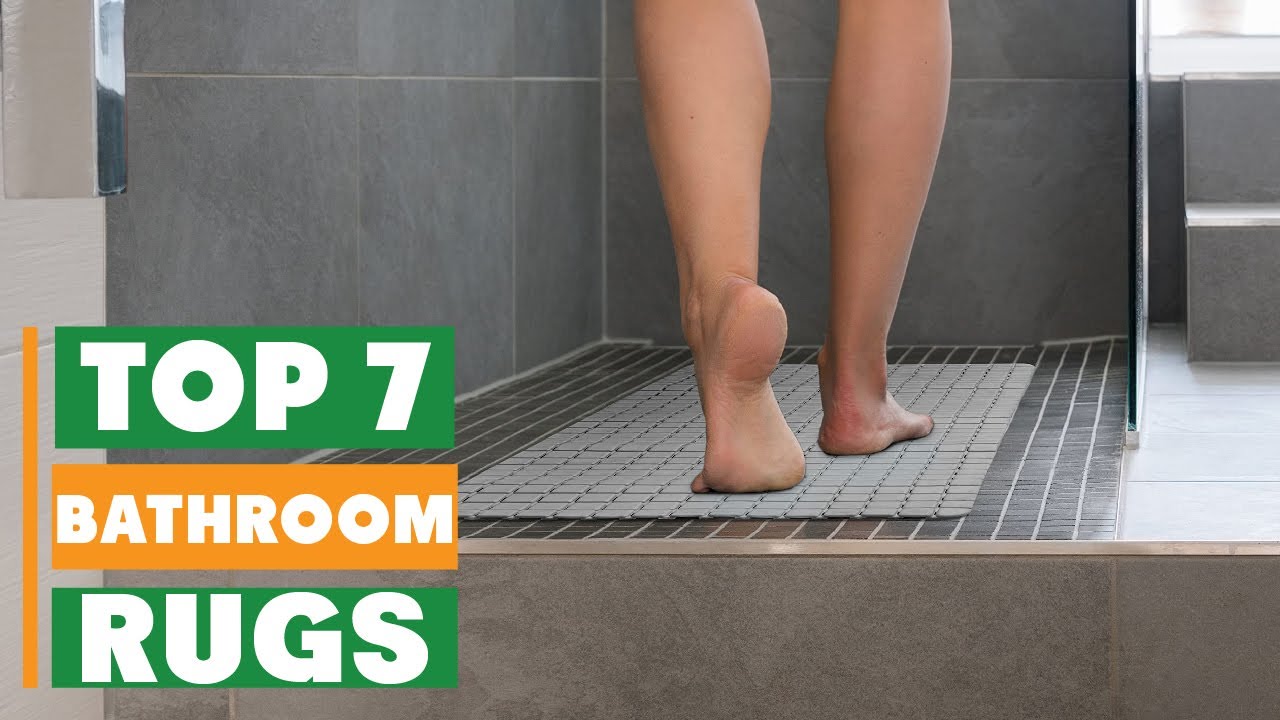
Choose a Bathroom Rug That Dries Well
The best bathroom rug for a damp space is one that matches the room’s moisture level and your cleaning routine. A thin, washable rug usually dries more easily than a thick rug with dense foam.
Compare common rug materials
- Cotton: Soft and absorbent. It may be easy to wash, but it can stay wet if left on the floor.
- Microfiber: Often lightweight and quick to dry. Check the care label because construction differs by product.
- Memory foam: Comfortable underfoot, but the foam core can hold moisture.
- Wool: Durable and naturally moisture-resistant in some conditions, but it may need special care and can take longer to dry.
- Bamboo or wood slats: Allow air to pass beneath the feet and may dry quickly, but they can become slippery and need regular cleaning.
- Rubber-backed fabric: Helps reduce movement, but the backing can trap moisture against the floor.
A rug’s backing should not be treated as a substitute for a separate non-slip solution. Some backings become less effective when wet, oily, cracked, or dirty.
Use the right size
A smaller rug is easier to lift, wash, and dry. If a large rug is not necessary, choose a size that covers only the area where water commonly lands.
For a tub or shower, measure the available floor space first. Leave enough room to lift the rug without scraping it against fixtures or trapping it under a toilet.
Consider two washable rugs
A two-rug rotation can help in homes with frequent showers. Use one rug while the other dries. This works only if both rugs are cleaned and dried fully before storage.
Do not place the spare rug in a closed closet while it is even slightly damp. Store it only when it is completely dry.
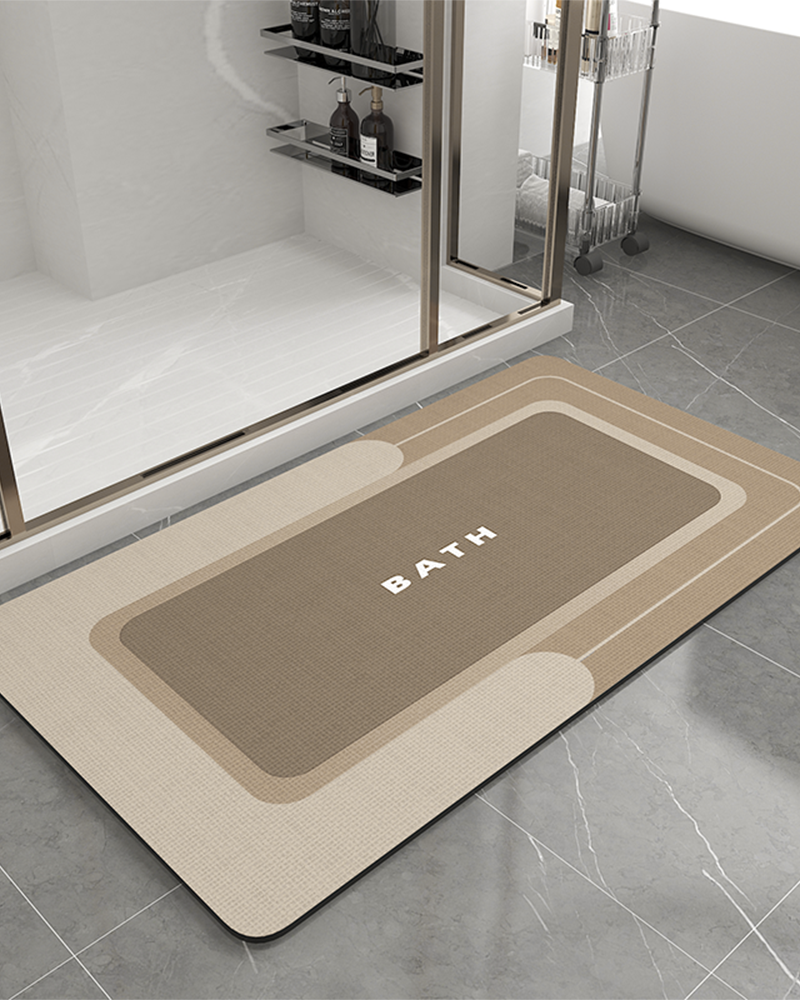
How to Stop Moisture Under a Bathroom Rug
To stop moisture under a bathroom rug, dry the floor before placing the rug down and inspect the underside often. The floor beneath the rug must have a chance to dry too.
Use these steps:
- Wipe up standing water.
- Lift the rug after each shower or bath.
- Check for dampness, odor, discoloration, or softened flooring.
- Clean the floor and let it dry.
- Wash the rug or rug pad as directed.
- Replace damaged or cracked backing.
- Investigate leaks or repeated splashing.
A rug pad can improve comfort and reduce movement, but it can also slow drying. Choose a pad that is compatible with the floor and approved for bathroom use. Avoid placing a thick, absorbent pad under a rug in a bathroom with poor ventilation.
Protect different flooring types
- Tile: Usually tolerates moisture well, but grout can darken or develop odor when damp for long periods.
- Luxury vinyl: Water-resistant does not always mean water can remain trapped beneath a rug indefinitely.
- Laminate: Standing moisture may damage seams or cause swelling.
- Wood: Repeated dampness can stain, swell, or damage the finish.
- Natural stone: Some cleaners and prolonged moisture may affect the surface or grout.
Follow the flooring manufacturer’s cleaning instructions. If the floor is buckling, swelling, soft, or discolored, remove the rug and address the moisture source before replacing it.

Washing and Maintaining Bathroom Rugs
Wash bathroom rugs often enough to remove body oils, soap residue, skin particles, and moisture. The right schedule depends on how many people use the bathroom, whether the rug gets soaked, and how well it dries.
A practical starting point is to wash a frequently used rug about once a week. Wash it sooner if it smells musty, becomes visibly dirty, or stays wet for long periods.
Always check the care label before washing or drying. Pay attention to:
- Maximum wash temperature
- Whether bleach is allowed
- Whether the rug can go in a dryer
- Whether the backing needs air-drying
- Whether the rug must be dried flat
- Whether the rug should be washed separately
Do not use chlorine bleach unless the care label permits it. Bleach can damage some fibers, colors, and backings. Avoid fabric softener when the manufacturer warns against it, because residue may reduce absorbency or affect the surface.
Clean the dryer lint filter before each load. Do not machine-dry a rubber-backed rug on high heat unless the care instructions clearly allow it. Heat can cause the backing to crack, peel, shrink, or release an odor.
A rug with mold growth, persistent mildew odor, crumbling backing, or repeated dampness may need replacement. Cleaning cannot always restore a rug that has absorbed moisture deep into foam or backing materials.

Troubleshooting a Bathroom Rug That Will Not Dry
Start with the rug itself, then check the room and the floor. This order helps you find the most likely cause without adding unnecessary equipment.
| Symptom | Likely cause | What to check |
|---|---|---|
| Top feels dry but bottom feels wet | Backing blocks air | Hang the rug with both sides exposed |
| Rug smells musty | It stays damp too long | Wash it, dry it fully, and check the floor below |
| Rug is wet after every shower | Too much splash or water on feet | Adjust the shower curtain, door, or drying routine |
| Rug takes more than a day to dry | Thick foam, high humidity, or poor air flow | Use a rack, exhaust fan, and portable fan safely |
| Floor is damp beneath the rug | Water is trapped under the rug or pad | Remove both, dry the floor, and inspect for leaks |
| Backing is cracked or sticky | Age, heat, cleaning chemicals, or wear | Replace the rug or backing |
| Rug moves when wet | Poor grip or worn backing | Use a compatible non-slip option and keep the floor clean |
If the rug remains damp despite good air flow, the material may be the problem. Replace a thick rug with a thinner, washable style that fits the room’s ventilation.
If the floor becomes wet without a clear source, inspect the toilet supply line, toilet base, sink plumbing, tub, shower door, and nearby walls. A concealed leak may need a plumber or other qualified professional.

Common Mistakes That Keep Bathroom Rugs Damp
Avoid these habits if your rug stays wet or develops an odor:
- Leaving the rug flat on the floor after a shower
- Folding it over a narrow hook
- Putting it back before the underside dries
- Using a thick pad beneath a thick rug
- Drying a rubber-backed rug with high heat
- Covering a damp rug with another towel
- Storing a damp rug in a hamper or closet
- Ignoring a musty smell
- Using a bath mat as a way to hide a wet floor
- Relying on a fan while leaving standing water in the room
A musty odor is a useful warning sign. It means the rug, pad, floor, or nearby material may be holding moisture. Wash and dry the rug, clean the floor, and look for the source rather than masking the odor with fragrance.

Key Takeaways
- Hang or spread out the rug after every shower.
- Run the exhaust fan during the shower and for about 20 minutes afterward.
- Keep both the top and underside exposed to air.
- Lift the rug so the floor beneath it can dry.
- Choose thin, washable materials for bathrooms with weak ventilation.
- Follow the care label before washing or using a dryer.
- Replace rugs with mold, persistent odor, or damaged backing.
- Repair leaks and reduce shower splash instead of relying on the rug alone.
FAQs About Keeping Bathroom Rugs Dry
Should I hang my bathroom rug after every shower?
Yes. Hanging the rug exposes more surface area to air and helps the underside dry. Spread it over a wide bar or drying rack instead of folding it into a thick layer.
Can I put a bathroom rug in the dryer?
Only if the care label allows machine drying. Use the recommended heat setting. Rubber-, latex-, and foam-backed rugs may be damaged by high heat, so many need to air-dry instead.
Is a rubber-backed bathroom rug a good choice?
It can help reduce movement, but the backing may trap moisture and damage the floor if the rug stays wet. Lift it regularly, dry both sides, and replace it if the backing cracks or becomes sticky.
Why does my bathroom rug smell even after washing?
The rug may not be drying fully, or moisture may be trapped in the backing, pad, or floor beneath it. Wash it according to the care label, dry it completely, and inspect the floor. Persistent odor may mean the rug needs replacement.
How can I keep a bathroom rug dry in a small apartment?
Use a thin, washable rug and a compact drying rack. Run the exhaust fan, leave the bathroom door open when practical, remove the rug after bathing, and use a portable fan only in a safe, dry position away from water.
Conclusion
The most reliable way to keep bathroom rugs dry is to lift them after use, spread them out, and improve air movement. A clean exhaust fan, a suitable rug material, and a dry floor beneath the rug make a bigger difference than adding a thicker pad.
If the rug stays wet for more than a day, smells musty, or shows a damaged backing, replace it or change to a faster-drying style. Always address leaks and standing water at the source.