Are Bathroom Rugs Washable: Easy Care Guide
Introduction
Yes, most bathroom rugs are washable, but not all should go in a washing machine. The safest choice depends on the rug’s care label, fiber, backing, size, and condition.
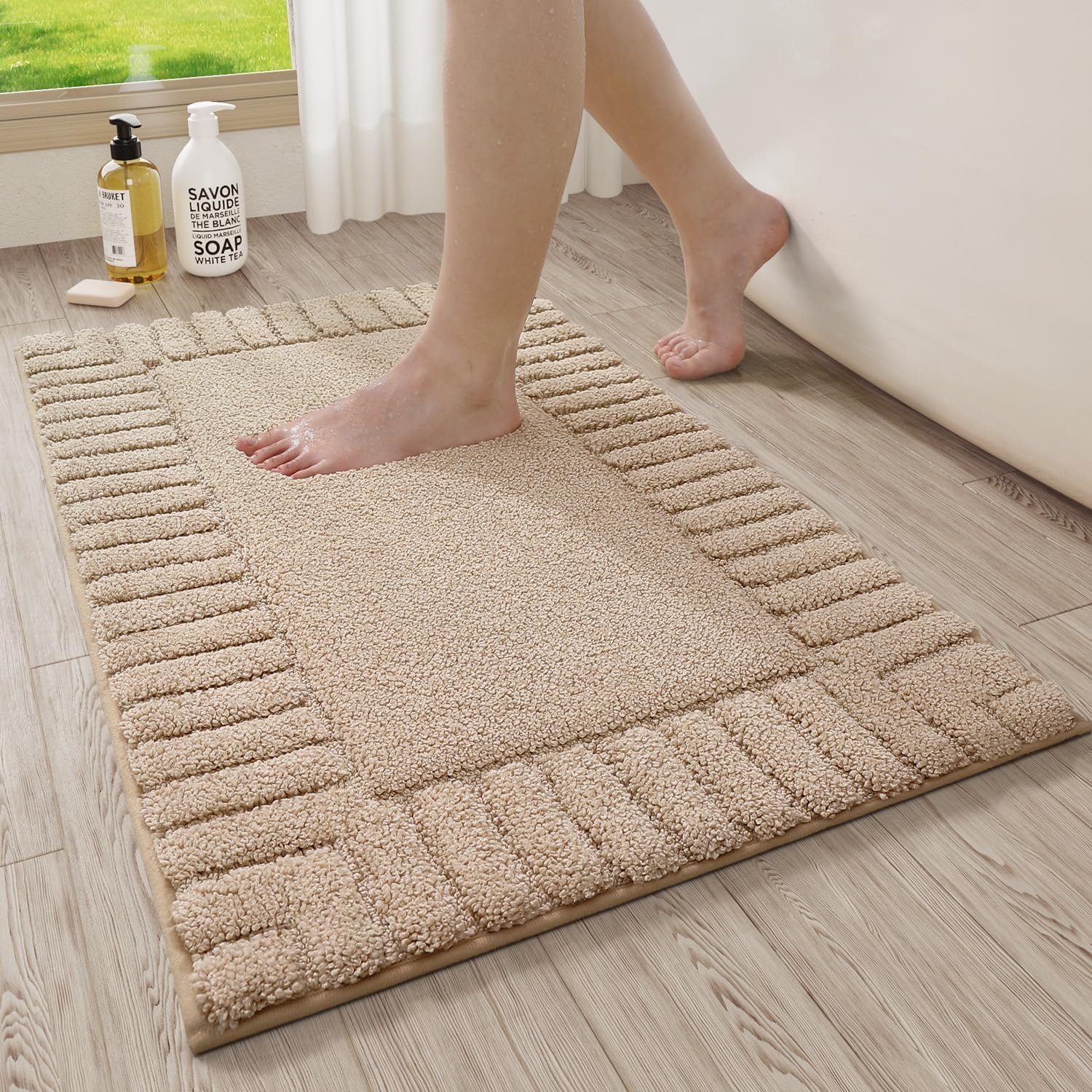
In U.S. homes, common bathroom rugs include cotton mats, microfiber rugs, chenille mats, and rugs with latex or rubber backing. Cotton and microfiber rugs are often machine-washable. Rugs with peeling backing, glued parts, memory foam, or delicate fibers may need hand washing or replacement.
Always check the care label before washing. If the label is missing, use the gentlest method that fits the rug’s material.

How to Tell if a Bathroom Rug Is Washable
The care label gives the best answer. Look for terms such as “machine wash,” “hand wash,” “spot clean,” or “do not wash.” In the United States, textile care labels must provide cleaning instructions when regular care could damage the item, according to the Federal Trade Commission.
Also inspect the rug before washing it. A washable rug should have firm seams, a stable shape, and backing that is not cracked or flaking.
Check these parts first
- Fiber: Cotton, polyester, nylon, and microfiber usually tolerate water well.
- Backing: Rubber, latex, PVC, and foam need more care.
- Construction: Woven and sewn rugs are often stronger than glued rugs.
- Condition: Tears, loose threads, and peeling backing can worsen in a washer.
- Size and weight: A large wet rug can strain a small washing machine.
If a label says “spot clean only,” do not machine-wash the rug. If the label is gone, test a small hidden area with a damp white cloth. Stop if the color transfers, the backing softens, or the fabric changes shape.
Which Bathroom Rugs Can Go in the Washing Machine?
Many cotton, microfiber, polyester, and nylon bathroom rugs can go in a washing machine. Use cold or warm water and a mild detergent unless the label gives different instructions.
The material does not tell the whole story. A cotton rug with a rubber backing may need more care than a plain cotton mat. The backing often determines whether machine washing is safe.
| Bathroom rug type | Machine washing | Best care approach |
|---|---|---|
| Cotton rug without backing | Usually yes | Cold or warm wash; tumble dry only if the label allows |
| Cotton rug with latex or rubber backing | Sometimes | Gentle cycle; avoid heat; air-dry when possible |
| Microfiber rug | Usually yes | Wash with similar items; avoid fabric softener |
| Polyester or nylon rug | Often yes | Follow the label; use a gentle cycle |
| Chenille rug | Often, but check label | Gentle cycle; avoid rough items |
| Memory foam mat | Varies | Follow the maker’s instructions; avoid high heat |
| Bamboo, teak, or wood mat | No | Wipe and clean by hand |
| Wool or natural-fiber rug | Usually no machine wash | Use the care label or a qualified cleaner |
| Rug with peeling backing | No | Replace it or clean only by hand |
This table is a guide, not a substitute for the care label. manufacturers may use different adhesives, coatings, and backing materials.

How to Wash a Machine-Washable Bathroom Rug
Follow this process when the label allows machine washing.
1. Shake out loose dirt
Take the rug outdoors or over a trash can. Shake off hair, dust, and grit. Vacuum the top with a soft attachment if needed.
Removing grit helps protect the washer and keeps dirt from rubbing deeper into the fibers.
2. Inspect the backing and seams
Do not wash the rug if the backing is cracking, sticky, or peeling. Small pieces can break away and collect in the washer.
Check for loose threads as well. Trim long threads with scissors, but do not cut the seams.
3. Pretreat visible stains
Apply a small amount of mild liquid detergent to stains. Gently work it in with a soft brush or cloth.
Avoid chlorine bleach unless the care label clearly allows it. Bleach can weaken fibers, remove color, and damage some backings.
4. Use the right washer setting
Place the rug in the washer without packing the drum tightly. Choose:
- Cold or warm water
- Gentle or delicate cycle
- Mild detergent
- A low or normal spin speed, if available
Wash the rug with similar soft items. Avoid towels that shed heavily, clothing with zippers, and items with hooks that could pull the rug.
A front-load washer may handle a heavy wet rug better than a small top-load machine. Never force a large rug into a washer that cannot move it freely.
5. Skip fabric softener
Fabric softener can coat fibers and reduce absorbency. This matters for bathroom rugs because the rug needs to take in water from wet feet.
Do not add bleach, scent beads, or harsh stain products unless the label permits them.
6. Check the rug after washing
Look for:
- Loose seams
- Color bleeding
- Warped edges
- Cracked backing
- Soap residue
- A sour or damp smell
If the rug still smells dirty, wash it again with a small amount of detergent. Do not use more soap than needed. Excess detergent can remain in thick fibers.

How to Dry Bathroom Rugs Without Damage
Drying is where many bathroom rugs fail. High heat can shrink cotton, melt synthetic fibers, weaken adhesive, or crack rubber backing.
Air-drying is the safest default
Hang the rug over a clean shower rod, drying rack, or sturdy outdoor line. Spread it out so air can reach both sides.
Do not leave a wet rug folded over itself. Thick layers dry slowly and may develop mildew odors.
Use a fan or open a window to improve air flow. Keep the rug away from direct high heat, such as a heater or radiator.
When a dryer may be safe
A dryer is suitable only when the care label allows it. Use low heat or an air-dry setting. Remove the rug while it is slightly damp, then finish drying it flat or over a rack.
Never use high heat on a rug with rubber, latex, foam, or adhesive backing unless the manufacturer specifically permits it.
The rug must be fully dry before it returns to the bathroom. A damp underside can trap moisture against the floor and contribute to odor, mold growth, or floor damage.

How to Hand-Wash a Bathroom Rug
Hand washing works well for delicate rugs, small mats, and rugs that cannot tolerate a full washer cycle.
- Shake or vacuum off loose dirt.
- Fill a bathtub or basin with cool water.
- Add a small amount of mild detergent.
- Submerge the rug if the label allows soaking.
- Press and gently agitate the rug with your hands.
- Drain the water and rinse until it runs clear.
- Press out water without twisting the rug.
- Roll the rug in a clean towel to remove extra moisture.
- Lay it flat or hang it over a wide rack to dry.
Do not wring a rubber-backed rug. Twisting can split the backing or pull the fabric away from it.
For a rug that says “spot clean only,” use a damp cloth and mild soap on the stained area. Keep water away from the backing when possible.

How Often Should You Wash a Bathroom Rug?
Wash frequency depends on moisture, foot traffic, ventilation, and household use.
As a general starting point:
- Light-use bathroom: Every two to four weeks
- Shared family bathroom: About once a week
- Bathroom used by children or pets: Weekly or more often
- Rug near a shower or tub: When it stays damp, smells musty, or looks soiled
- Decorative rug away from water: Less often, with regular vacuuming
Wash the rug sooner if someone in the home has a contagious skin condition, if the rug has visible soil, or if it remains wet for long periods. Follow medical advice for infection control when a health professional gives specific instructions.
Cleaning the rug does not replace good bathroom ventilation. Use an exhaust fan during showers and leave the rug spread out so it can dry.

When You Should Replace a Bathroom Rug
Washing cannot repair a failing rug. Replace it when the backing is peeling, brittle, sticky, or cracked.
A damaged backing may leave small flakes on the floor. It can also reduce grip and create a slip hazard. The U.S. Consumer Product Safety Commission advises consumers to reduce fall risks in the home, and loose or unstable floor coverings can contribute to trips and slips.
Replace the rug if:
- It slides even on a dry floor.
- The backing has lost its grip.
- Mold or mildew remains after cleaning.
- The rug has a persistent sour odor.
- Seams keep opening.
- The fabric stays wet for many hours.
- The rug has become thin in high-use areas.
A nonslip rug pad may help with a rug designed to work with one. Do not place a separate pad under a rug if the manufacturer warns against it. Keep both the rug and pad flat and dry.

Common Bathroom Rug Washing Mistakes
Washing without checking the backing
A washable top does not mean the entire rug is washer-safe. Rubber and foam may break down during washing or drying.
Using too much detergent
Extra detergent does not make a rug cleaner. It can leave a film that attracts dirt and holds odor.
Using high heat
High heat is one of the most common causes of shrinkage, curling, melted backing, and cracked latex.
Folding the rug while it is wet
A folded rug dries slowly. This can create a musty smell and may damage wood or other flooring beneath it.
Washing a heavy rug in a small machine
A saturated rug can become much heavier than it was when dry. An overloaded washer may not clean or spin it well.
Returning it to the floor too soon
The top may feel dry while the backing remains wet. Check both sides before putting the rug back.

What to Do if a Bathroom Rug Shrinks, Smells, or Sheds
If the rug shrinks
Do not pull it hard. Let it dry fully, then compare its shape with the original size. Some cotton rugs may relax slightly when damp, but forced stretching can damage seams.
If the rug smells musty
Wash it again according to the care label and dry it completely with strong air flow. If the smell remains, the backing or inner padding may be holding moisture. Replacement may be safer than repeated washing.
If the rug sheds
Some new rugs release loose fibers during the first few washes. Remove loose lint from the washer and follow the manufacturer’s cleaning instructions. Heavy or continuing shedding may signal weak fibers or backing damage.
If the backing peels
Stop machine washing and do not use the rug on a smooth floor. Peeling material can reduce traction and spread through the washer. Replace the rug if the damage is widespread.
If colors bleed
Rinse the rug separately in cool water. Do not use hot water or strong chemicals to fix the color unless the label recommends them. Color bleeding may not be reversible.

Key Takeaways
- Most cotton, microfiber, polyester, and nylon bathroom rugs are washable.
- The care label is the final authority.
- Rubber, latex, foam, and glued backings need special care.
- Use mild detergent and a gentle cycle when machine washing is allowed.
- Air-drying is usually safer than high-heat drying.
- Do not use a rug with peeling backing or poor grip.
- Make sure the rug is dry on both sides before putting it back on the floor.
FAQs About Washable Bathroom Rugs
Can I wash a bathroom rug with rubber backing?
Sometimes. Check the care label first. If machine washing is allowed, use a gentle cycle, cool water, and low or no heat. Air-dry the rug. Do not wash it if the rubber is cracked, sticky, or peeling.
Can I put a bathroom rug in the dryer?
Only if the care label allows it. Use low heat or air dry. For most rubber-backed, latex-backed, and foam mats, air-drying is the safer choice.
Can I wash bathroom rugs with towels?
You can wash some rugs with towels if the label allows it, but use similar colors and avoid overloading the washer. Towels may shed lint and can make a rug-heavy load harder to balance.
How do I clean a bathroom rug that says “spot clean only”?
Vacuum or shake it first. Then use a damp cloth with a small amount of mild soap on the stained area. Blot instead of scrubbing hard, and let the rug dry fully.
Are memory foam bathroom mats washable?
Some are machine-washable, while others can lose their shape or break down when soaked. Follow the manufacturer’s instructions. Avoid high heat unless the label clearly permits it.
Conclusion
Bathroom rugs are often washable, but the correct method depends on the whole rug—not just the fabric on top. Read the label, inspect the backing, use mild cleaning methods, and dry the rug fully.
When no label is available, hand washing and air-drying are the safest starting points. If the backing is damaged or the rug remains damp and smelly after cleaning, replacement is usually the better choice.