Where to Place Air Purifier in House? The Right Strategy for 2026
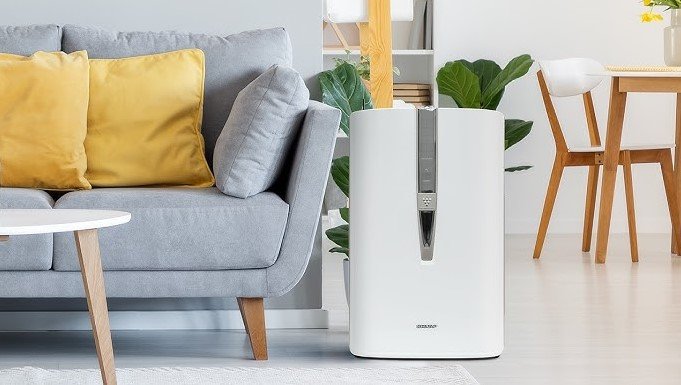
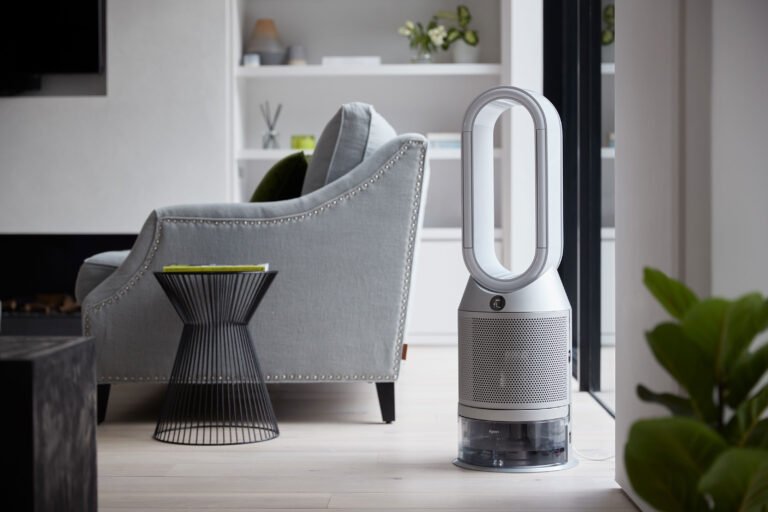
Finding the perfect spot to place an air purifier in your house is the secret to cleaner, fresher air. By keeping your device away from corners and placing it in high-traffic areas, you ensure maximum airflow and better filtration for your entire family.
You finally bought that shiny new air purifier. You took it out of the box, plugged it in, and now you are standing in the middle of your living room wondering, “Where exactly does this go?”
It is a common question, and honestly, it is the most important step in getting your money’s worth. If you tuck it into a dusty corner behind a sofa, your purifier is going to struggle. It will work overtime just to move a tiny bit of air, and your air quality will barely change.
By 2026, air purifiers have become a staple in modern households. We are all more aware of allergens, pet dander, and city pollution. However, having the tech is only half the battle. You need the right strategy to make it work for you. In this guide, we are going to walk through exactly where to place air purifier in house setups to get the cleanest, freshest air possible.
Key Takeaways
- Centralized Location: Place your purifier in the center of the room or a high-traffic area to circulate air more effectively.
- Avoid Obstructions: Keep your unit at least three feet away from furniture, curtains, or walls to prevent airflow blockages.
- Prioritize Bedrooms: Bedrooms are the best place for air purifiers to ensure you breathe clean air while you sleep.
- Mind the Humidity: Never place an air purifier in a bathroom or near a humidifier, as excess moisture can damage the filter.
- Elevate the Unit: Placing your purifier on a flat, stable surface—or slightly off the ground—can improve its reach.
- Multiple Units: If your home is large, one unit isn’t enough; use several smaller purifiers in different rooms rather than one giant one.
The Golden Rules of Air Purifier Placement
Before you start moving furniture, there are a few universal rules to follow. Think of your air purifier like a fan. It needs to “breathe” to clean the air. If you block its path, it cannot do its job.
Keep It Clear of Obstructions
The biggest mistake people make is hiding the purifier behind a bookshelf or under a heavy table. Your air purifier needs a clear “line of sight” to the room. If the air inlet is blocked, the machine will intake stagnant air and won’t be able to cycle through the room’s volume effectively. Aim for at least three feet of clearance on all sides. This gives the device enough room to pull in dusty air and push out purified, fresh air.
High Traffic Means High Filtration
Air moves where people move. If you place your unit in a room that nobody uses, it won’t do much for the air in the areas where you actually spend your time. Focus on high-traffic zones like the living room or the kitchen. Since movement in these areas kicks up dust and debris from carpets and upholstery, having the purifier nearby catches those particles before they settle.
Choosing the Best Room for Your Unit
Not every room needs an air purifier, but some rooms definitely benefit from them more than others. In 2026, many homes have an open-concept layout, which changes how we approach air purification.
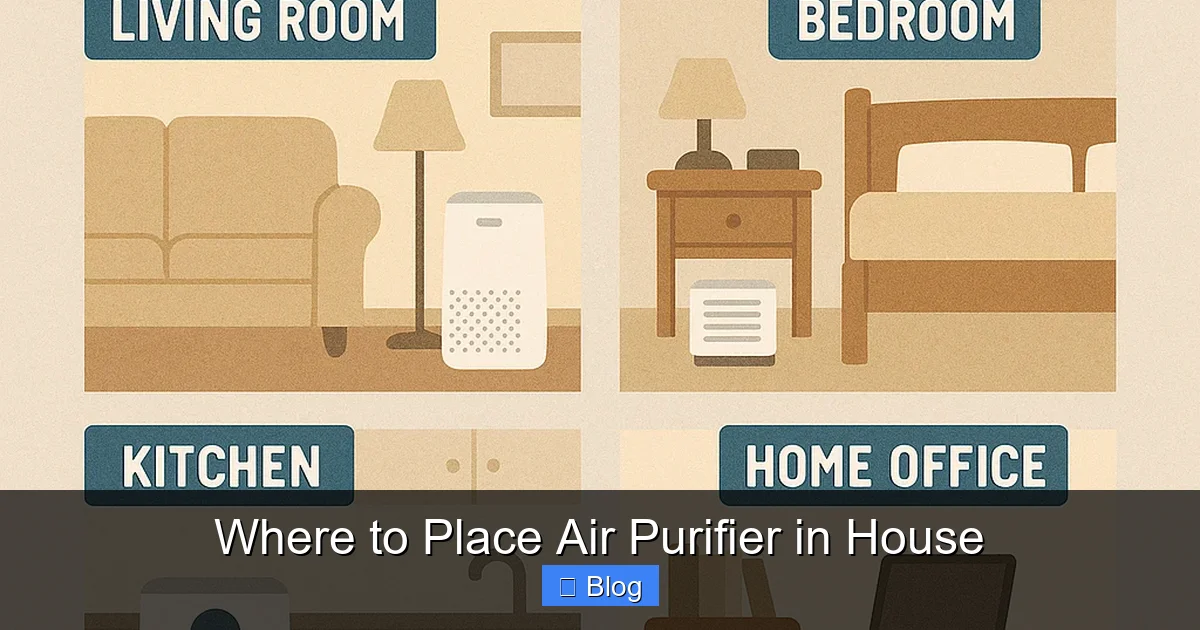
Visual guide about Where to Place Air Purifier in House
Image source: b3294458.smushcdn.com
The Bedroom: Your Primary Target
We spend about a third of our lives in the bedroom. This makes it the number one place to start. During sleep, your body is in recovery mode, and breathing clean air can help you wake up feeling more refreshed and less congested. Place the unit near the bed, but make sure it isn’t blowing directly into your face, which might dry out your skin or eyes. A quiet “night mode” setting is your best friend here.
Living Areas and Shared Spaces
Living rooms are often the hub of the house. They are where we watch movies, entertain guests, and let our pets lounge. Because these rooms are often larger, you should place your air purifier in a central, open area. If you have an open-concept home, don’t try to clean the entire ground floor with one machine. Instead, place it in the room where you spend the most time, such as near your sofa or desk.
What About Kitchens and Bathrooms?
You might think that because the kitchen smells like last night’s dinner, you should put a purifier there. While it can help with odors, there are some precautions you need to take.
The Kitchen Trap
Kitchens contain grease and moisture. If you place your air purifier too close to the stove, the grease can actually clog your HEPA filter, ruining it long before its intended lifespan ends. If you must use one in the kitchen, keep it at the opposite end of the room and make sure it is not in the path of heavy cooking smoke or grease splatters.
Avoid the Bathroom
Bathrooms are high-humidity zones. High humidity can lead to mold growth inside your purifier’s filter or internal components. Most manufacturers explicitly advise against running purifiers in bathrooms for this reason. Stick to rooms where the air is relatively dry to keep your machine running safely for years to come.
Elevating Your Air Quality
Many people assume their air purifier should sit flat on the floor, but that is not always the best move. Depending on your home’s layout, a little elevation can go a long way.
Is Floor Level Always Best?
Floor level is great for catching dust and pet hair, which tend to settle low. However, if your room has a lot of heavy furniture, the air near the floor might not circulate well. Placing your unit on a sturdy shelf or a flat, low-profile table can help the device pull air from a wider range. Just ensure the surface is stable and the cord isn’t a tripping hazard.
Managing Pet Dander
If you have pets, your air purifier is a lifesaver. Because pets shed fur and dander near the floor, keep your purifier on the ground floor level in rooms where your pets sleep. If your dog has a favorite bed, placing the purifier within a few feet of that spot is the best way to keep your house dander-free.
Placement Strategies for Different Home Sizes
Your strategy should change based on the square footage of your home. A single-bedroom apartment is a much different beast than a multi-story house.
Apartments and Small Spaces
In a small space, you can usually get away with one high-quality unit. Place it in the center of your main living space. Avoid corners; even though they seem like good storage spots, they trap air. A corner-placed purifier will only clean the air in its immediate vicinity, leaving the rest of your apartment dusty.
Multi-Room Houses
In a larger house, do not force one machine to do all the work. It is much more efficient to have two smaller units in separate rooms than one oversized unit in a hallway. Place one unit in the master bedroom and another in the main living room. This creates “clean zones” where you spend the majority of your time.
Long-Term Maintenance and Habits
Once you find the perfect spot, you need to maintain that area to keep your device working at its best. If you move your purifier, the flow of air in your house changes, and you might notice a difference in air quality.
Consistent Usage Is Key
For the best results, your air purifier should be running constantly. Turning it on and off limits its ability to keep a consistent baseline of clean air. If you are worried about the energy bill, modern 2026 models are designed to be extremely power-efficient. They use smart sensors to dial down their speed when the air is clean, saving you money while keeping your air quality top-notch.
Regular Filter Checks
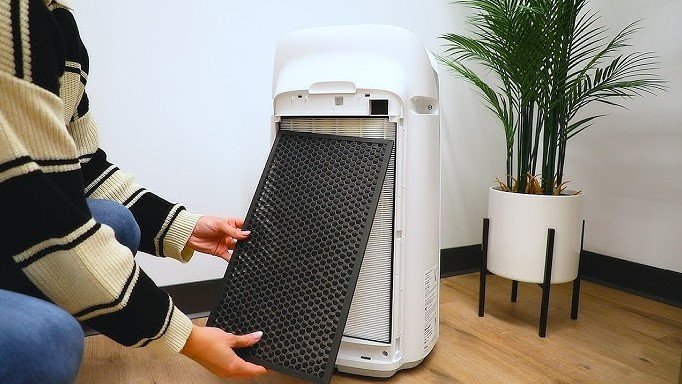
Even with perfect placement, your machine is only as good as its filter. Make sure to check your filter at least once a month. If you’ve placed your unit in a very dusty area, you might need to clean the pre-filter more often. A clogged filter is the biggest cause of poor performance, regardless of where you place the unit.
Ultimately, where to place air purifier in house setups really comes down to your personal lifestyle. Do you have a dog? A wood-burning stove? An office where you spend 40 hours a week? Focus on those specific needs.
By following these placement tips, you are not just buying a machine; you are creating a healthier, more breathable environment for everyone in your home. Take a moment today to look at where yours is sitting a small adjustment could mean a world of difference for your health.
Frequently Asked Questions
Should I place my air purifier near a window?
It is generally better to keep your air purifier away from open windows. Outside air brings in pollen and dust, which makes your filter work much harder than it needs to.
Can I put my air purifier in a corner?
Avoid placing your air purifier in a tight corner, as it restricts airflow and prevents the device from cycling air effectively. Try to keep it at least three feet away from walls and corners for the best results.
Is it okay to run my air purifier while I sleep?
Yes, running an air purifier while you sleep is highly recommended for better air quality. Most modern models have a silent “night mode” or low-fan setting that won’t disturb your rest.
How many air purifiers do I need for my house?
The number of purifiers depends on your home’s square footage and layout. Ideally, use one unit for each major room where you spend significant time, rather than relying on one unit for the whole house.
Does an air purifier need to be on the floor?
Not necessarily, though placing it on the floor is effective for capturing heavy dust and pet dander. You can place it on a stable, low table if that helps it reach more open space, but avoid high shelves.
Should I move my air purifier between rooms?
While you can move it, it is usually more effective to have a dedicated unit for each main room. Moving it frequently means one room will always be left without filtration while the unit is in the other.