
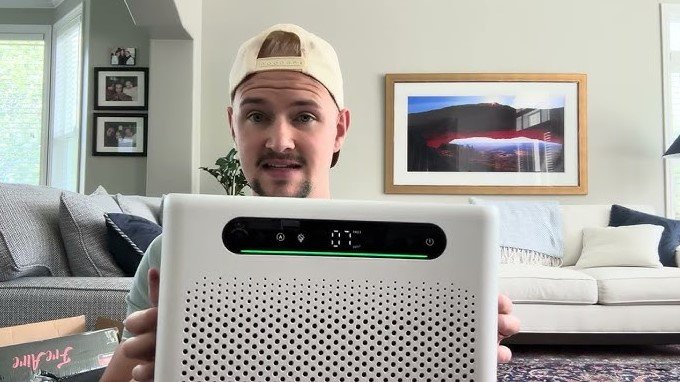
Where to Put Air Purifier in Living Room? Best Practices for 2026
Finding the perfect spot for your air purifier is the secret to breathing easier in your living room. By placing your unit in high-traffic areas away from walls and obstructions, you ensure maximum airflow and efficiency. Use this guide to optimize your setup for a fresher, healthier home environment.
So, you have finally invested in a high-quality air purifier for your living room. That is a fantastic step toward a healthier home! As we head into 2026, air quality awareness is at an all-time high, and having a machine to scrub out pollutants, allergens, and pet dander is a game-changer.
However, many people make the mistake of plugging their device into a random corner and forgetting about it. Believe it or not, where to put air purifier in living room matters just as much as the filter technology inside the unit.
If you put your purifier in the wrong spot, it has to work twice as hard to do half the work. It is a bit like trying to heat your entire house with a radiator hidden behind a heavy sofa. To get the most out of your investment, you need to understand how air circulates in your living space. Let’s dive into the best practices for positioning your device to keep your indoor air fresh, clean, and breathable all year round.
Key Takeaways
- Centralized Placement: Keeping your unit in an open area ensures it can draw in air from all directions effectively.
- Avoid Obstructions: Never place your air purifier behind furniture or inside cabinets, as this chokes off the air intake.
- Prioritize High-Traffic Zones: Position your device near where you spend the most time to ensure you are breathing the cleanest air possible.
- Maintain Distance from Walls: Leave at least two feet of clearance around the device to prevent air circulation bottlenecks.
- Elevation Matters: Placing your purifier on a flat, solid surface rather than on thick carpeting helps prevent motor strain and dust buildup.
Understanding Airflow Dynamics
To master the art of air purifier placement, you first have to think like the air itself. Air purifiers work by pulling “dirty” air into the intake and pushing “clean” air out through the exhaust. If that exhaust is hitting a wall, or the intake is blocked by a pile of books, the air inside your living room will not cycle properly. This is known as “short-circuiting,” where the unit just re-cleans the same small bubble of air right in front of it.
The Importance of Open Space
The most important rule when deciding where to put air purifier in living room is to give it space to breathe. Ideally, your unit should be in an open area with a clear line of sight to the center of the room. By keeping it away from walls, furniture, and heavy curtains, you allow the purifier to draw in air from every direction. Think of your air purifier as a social guest—it works best when it is not tucked away in a corner.
Managing Air Currents
In 2026, modern smart homes often have complex air currents created by HVAC vents, ceiling fans, and open windows. You want to place your air purifier in a spot where it can intercept those currents.
If you place it near a window that is usually closed but drafty, it can help catch pollen before it spreads. If you have a ceiling fan, try placing your purifier in the path of the downward airflow, as this will help circulate the filtered air throughout the entire room more effectively.
Choosing the Best Location in the Room
Now that you know the theory, let’s talk about the logistics. Where exactly does the device go? While every living room is unique, there are some gold-standard spots that work for almost everyone.
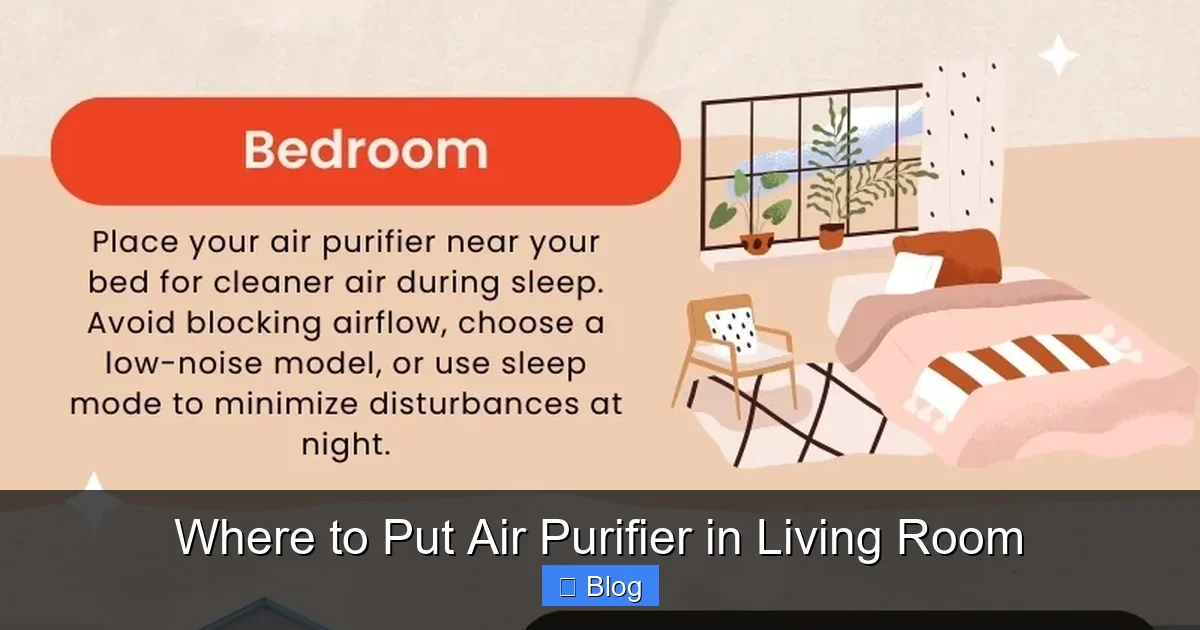
Visual guide about Where to Put Air Purifier in Living Room
Image source: cdn.shopify.com
Near High-Traffic Areas
The most logical place to put your air purifier is where you spend the most time. If you spend your evenings on the couch watching movies, that is your primary zone. Placing the purifier near your seating area ensures that you are breathing the cleanest air possible. This is especially helpful if you have pets that lounge on the furniture, as the purifier will capture the dander right at the source before it has a chance to settle into the upholstery.
The “Clearance” Rule
Most manufacturers recommend a clearance of at least two to three feet on all sides. This might feel like a lot in a smaller apartment living room, but it is essential for the longevity of your filter.
If the intake vents are too close to a wall, the machine will struggle to pull enough air, which puts extra strain on the motor. Check your specific model’s manual, as some high-end units have different intake designs, but the “two-foot rule” is a safe bet for almost every model on the market.
Placement Mistakes to Avoid
Even with the best intentions, it is easy to fall into bad habits. Many of us are tempted to hide our tech, but air purifiers are not meant to be hidden. Let’s look at the “don’ts” of purifier placement.
Don’t Hide It Behind Furniture
It is tempting to tuck your air purifier behind a bookshelf or inside an entertainment center to keep the room looking tidy. Please, resist this urge! When you block the intake, you effectively mute the device. It becomes a glorified paperweight. If you are worried about aesthetics, consider buying a unit with a sleek, minimalist design that blends into your decor rather than trying to bury it.
Avoid Confined Spaces
Never place your air purifier in a closet or a small nook. Purifiers need to process the volume of air in the room. If the room is large and the purifier is stuck in a tiny alcove, the air in the main part of the room will remain untouched. Keep the purifier in the heart of the living room to maximize its reach.
The Role of Surface and Elevation
Many people wonder if they should put their air purifier on a shelf, a table, or the floor. While the floor is the most common spot, there are a few things to keep in mind regarding your flooring choice.
Flooring Considerations
If you have thick shag carpeting, be careful. Carpet fibers can clog the intake vents at the base of the machine, leading to dust buildup and motor overheating. If you must place your unit on carpet, consider placing a flat, hard board or a decorative tile underneath it to give it a solid base. This provides a stable platform and ensures that the bottom intake vents remain clear of lint and rug fibers.
Is Higher Always Better?
Some people assume that putting a purifier on a table will make it work better. Generally, this is not necessary. Most units are designed to intake air at a low level, where dust and dander settle. However, if you are concerned about smoke or lighter-than-air pollutants, a slightly elevated position can be fine. The key is simply ensuring that the purifier is stable and that its exhaust is not blowing directly into the back of a sofa or a wall.
Maintenance and Long-Term Efficiency
Where you put air purifier in living room impacts more than just air quality; it also impacts how often you need to replace your filters. A well-positioned unit will have a balanced airflow, allowing the filter to trap particles evenly across its entire surface area.
The “Dusty Corner” Trap
If you notice that one side of your filter is significantly dirtier than the others, your purifier might be placed too close to a wall or a corner. This uneven distribution means part of the filter is doing all the heavy lifting, which can lead to it clogging up faster than expected. Periodically check your filter; if it looks lopsided in terms of dirt accumulation, try moving the unit a few inches away from its current position.
Yearly Check-ins
Since we are looking at this from a 2026 perspective, remember that filter technology has advanced significantly. Many new units have “filter life” sensors. Even so, manually inspecting your unit once a month is still the best habit. If you move your furniture around for a seasonal refresh, make sure you aren’t accidentally pushing your purifier into a dead zone where airflow is compromised.
Conclusion
Learning where to put air purifier in living room is a simple yet powerful way to upgrade your home environment. By prioritizing open spaces, keeping the unit away from walls, and placing it near high-traffic areas, you enable your device to perform at its absolute best. It is not about finding the most “hidden” spot, but rather the most functional one.
As you settle into your 2026 home routine, take a few minutes to audit the position of your air purifier. Clear away those nearby boxes, move the unit a few feet from the wall, and enjoy the peace of mind that comes with knowing you have optimized your air quality. Your lungs—and your family—will definitely thank you for it!
Frequently Asked Questions
Can I put my air purifier in a corner?
While you can, it is not recommended because corners restrict airflow and prevent the unit from cleaning the air efficiently. Aim to keep the device at least two feet away from walls and corners to ensure it can pull in air from all sides.
Should I place my air purifier on the floor?
Yes, placing it on the floor is perfectly fine and often ideal since many pollutants and allergens naturally settle near the ground. Just ensure the floor is solid and not covered in thick, high-pile carpet that might block the intake vents.
Will my purifier work better if I put it on a shelf?
Not necessarily. Most air purifiers are designed to function optimally on the floor, and elevating them may not improve performance unless the intake is specifically designed for a tabletop setup.
Does it matter if the air purifier faces a certain way?
Yes, ensure the air intake is not facing a wall or furniture. The exhaust should also have a clear path so that the clean air can circulate throughout the entire room rather than hitting an obstacle.
Can I hide my air purifier behind a curtain or plant?
No, you should never hide your air purifier behind curtains, plants, or furniture. These obstructions block the airflow, forcing the machine to work harder while providing much less clean air to the rest of the room.
How do I know if I have placed it correctly?
You have placed it correctly if the unit is in an open area, has at least two feet of clearance on all sides, and is near the part of the room where you spend most of your time. If the machine sounds strained or the filter gets dirty unevenly, consider moving it to a more open location.