Should You Have A Bathroom Rug: Pros And Cons
Introduction
Yes, you can have a bathroom rug, but you do not need one in every bathroom. A washable, non-slip rug can make a hard floor feel warmer, reduce splashes, and add comfort near the sink or shower. However, a damp rug can also hold moisture, collect soil, grow mildew, and create a slip risk.
For most U.S. homes, the best choice is a small, washable bath mat placed outside the shower or tub. Use it only when you can dry and clean it often. Skip the rug if the room stays damp, the mat slides, or no one can maintain it.
Bathroom Rug vs. Bath Mat: What Is the Difference?
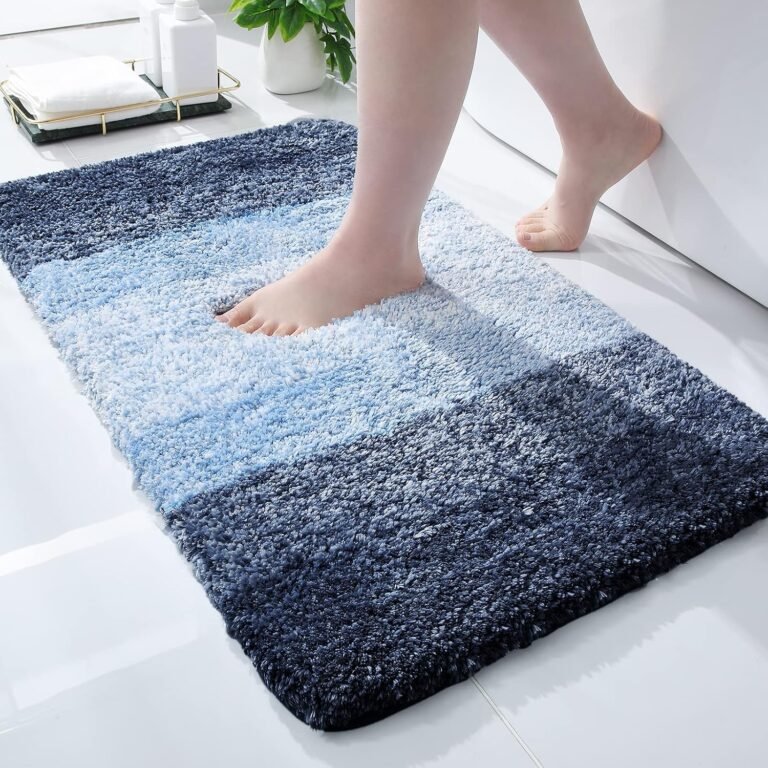
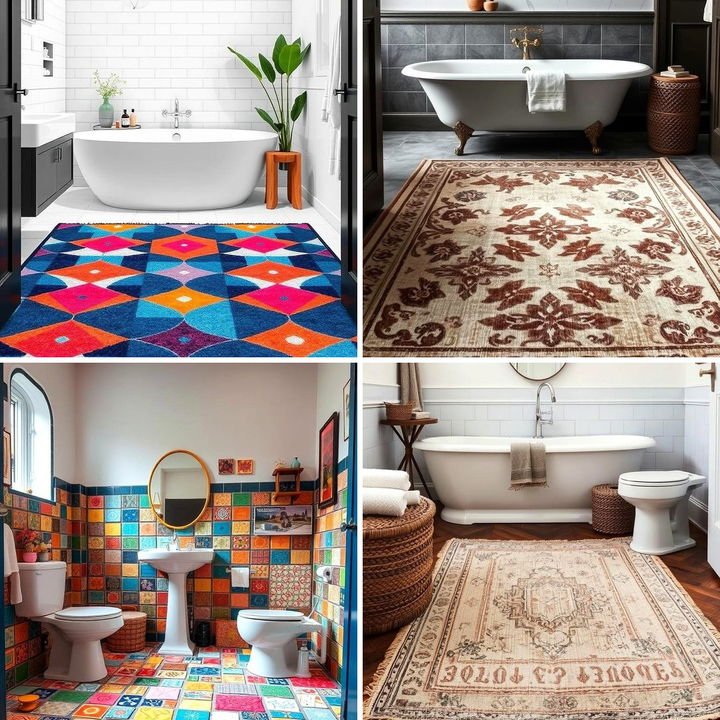
A bath mat is made for wet areas. It usually sits outside a shower or tub and absorbs water from bare feet. A bathroom rug is more like a small area rug. It may sit near a vanity, toilet, or open floor area and may provide more style than water control.
The terms often overlap. Still, the difference helps you choose the right item:
| Type | Best location | Main purpose | Main concern |
|---|---|---|---|
| Bath mat | Outside a shower or tub | Absorb water and add comfort | Moisture and slipping |
| Bathroom rug | Near a vanity or open floor | Add warmth and style | It may not dry well |
| Toilet rug | Around the base of a toilet | Cover floor space | Harder to clean well |
| Anti-fatigue mat | In front of a vanity | Reduce foot and leg strain | Can trap dirt below |
A mat with a rubber or latex backing is not automatically safer. The backing must grip the floor, remain flat, and work with that floor’s surface. Some backings can slide on smooth tile. Others can damage vinyl, wood, or finished floors when moisture stays trapped below them.
Why people use bathroom rugs
A bathroom rug may:
- Keep bare feet off a cold floor.
- Catch water near the shower or sink.
- Make a hard bathroom floor feel softer.
- Reduce noise from footsteps.
- Add color and texture to a plain room.
- Protect some floors from repeated water drops.
These benefits are practical, but they depend on the rug staying clean, dry, and flat.
Why people avoid bathroom rugs
A rug can also:
- Hold water against the floor.
- Develop a musty odor.
- Collect hair, dust, and skin debris.
- Become slippery when wet.
- Hide leaks from a toilet, sink, or tub.
- Make cleaning the floor harder.
- Fray or curl at the edges.
- Trap moisture on wood or other water-sensitive flooring.
The main trade-off is simple: a bathroom rug adds comfort only when its maintenance and safety benefits outweigh its moisture and cleaning problems.
Are Bathroom Rugs Sanitary?
A bathroom rug can be sanitary if it dries fully between uses and is washed according to its care label. It is not sanitary merely because it looks clean. Damp fabric can support odor and microbial growth, especially in a room with poor airflow.
The U.S. Environmental Protection Agency explains that controlling moisture is the key way to control indoor mold. Its guidance recommends drying wet areas, fixing leaks, using ventilation, and cleaning or removing moldy materials when needed. These principles apply to bathroom rugs because the rug can remain wet long after the floor appears dry.
The EPA’s mold and moisture guidance does not set one universal washing schedule for every rug. The correct schedule depends on how wet the rug becomes, how many people use it, how well the room ventilates, and what the care label allows.
How often should you wash a bathroom rug?
Wash a bath mat when it smells, feels damp, looks soiled, or has been used for several days. In a busy household, washing it about once a week may be practical. A mat that becomes soaked each day may need more frequent washing or rotation with a spare.
A rug near a dry vanity may need less frequent washing. Even so, inspect it often. A rug can look clean while its backing and underside remain damp.
Always follow the manufacturer’s washing and drying instructions. Do not use high heat if the backing can crack, melt, or separate. Dry the rug completely before placing it back on the floor.
How to keep a bathroom rug clean
- Hang it up after use. Do not leave a wet mat flat on the floor.
- Improve air flow. Use the bathroom exhaust fan during a shower and for the period recommended by its manufacturer or local guidance.
- Keep the door or window position safe and practical. Better air exchange can help the mat dry.
- Wash it before odor develops. Musty smell is a useful warning sign.
- Clean the floor below it. Lift the rug during routine floor cleaning.
- Check the underside. Look for mildew, peeling backing, or trapped grit.
- Replace it when it stays damp or loses grip.
Do not mix chlorine bleach with ammonia, acids, or other cleaners. Follow product labels and provide ventilation when cleaning.
Do Bathroom Rugs Create a Slip-and-Fall Risk?
Yes, a bathroom rug can create a fall risk if it slides, bunches, curls, or stays wet. Bathrooms already contain smooth surfaces and water. A loose rug adds another hazard, especially for older adults, children, and anyone with limited balance.
The U.S. Consumer Product Safety Commission identifies falls as a major source of unintentional injury in the home. That document covers many home hazards rather than bathroom rugs alone, so it does not prove that every rug is dangerous. It does support a cautious approach to loose floor coverings.
Features that reduce risk
Look for a rug that:
- Lies flat without curled corners.
- Has a stable, well-fitted size.
- Includes a backing designed for your floor type.
- Does not block the bathroom door.
- Does not cover a floor drain.
- Leaves enough clear floor for normal steps.
- Remains stable when the floor is slightly damp.
A separate rug pad may help, but only if the pad is made for bathroom use and compatible with the floor. Do not assume two layers are safer. A pad that shifts under the rug can increase movement.
When to remove the rug
Remove the rug at once if:
- It slides when you step on it.
- Its edges curl upward.
- The backing cracks or flakes.
- It becomes saturated after each shower.
- It blocks a clear path.
- Someone has already tripped on it.
- It leaves residue or discoloration on the floor.
A bare, dry floor is often safer than a poorly fitted rug. If you need warmth but cannot keep a loose rug stable, consider a heated floor system installed by qualified professionals or use a stable mat only in a low-traffic area. Electrical products in bathrooms must follow applicable product instructions and local electrical requirements.
Where Should You Place a Bathroom Rug?
Place a bathroom rug where it solves a clear problem without blocking movement. In most homes, that means just outside the shower or tub, or in front of a sink where water commonly lands.
Best locations
Outside the shower or tub:
A bath mat can catch water from your feet. Leave enough space for the door or curtain to open without pushing the mat.
In front of the sink:
A washable runner or small rug can catch drops and make standing more comfortable. Keep it far enough from the toilet to avoid splash and cleaning problems.
In front of a vanity:
A thin, stable mat may help during grooming. Make sure drawers and cabinet doors do not catch its edge.
Locations that often cause problems
Around the toilet:
Toilet-shaped rugs with a cutout can be difficult to clean around the base. They may also hold moisture near the toilet, hide a slow leak, and require more handling during floor cleaning.
Under a freestanding toilet:
Avoid covering the base in a way that hides leaks or makes sanitation difficult. A clear floor is often easier to inspect and clean.
Over a floor drain:
A rug can slow drainage or hide a backed-up drain. Keep the drain area accessible.
Across the doorway:
A raised edge can catch toes or interfere with the door. Measure the clearance before buying a thick rug.
What Type of Bathroom Rug Is Best?
The best bathroom rug is not the thickest or most decorative option. It is the one that fits your floor, dries quickly, stays flat, and can be cleaned without damage.
Choose the material based on use
- Cotton: Absorbs water well and is often washable. It may stay wet longer than a thin synthetic mat.
- Microfiber: Often dries quickly and feels soft. Follow the care label because heat may damage some fibers or backing.
- Synthetic fiber: Can resist staining and dry fast. Its safety depends on the backing and construction.
- Bamboo or wood slats: Let air move below the feet and can dry quickly. They can still become slippery when wet and may need careful cleaning.
- Memory foam: Feels comfortable but may hold water inside and dry slowly. It can also create a taller edge.
- Rubber-backed mats: May grip well, but some backings can deteriorate or react with flooring finishes.
No material is best for every bathroom. A shared family bathroom may need a fast-drying, machine-washable mat. A lightly used powder room may work well with a thin decorative rug.
A simple buying checklist
Before buying, check:
- Size: Does it fit without touching walls, fixtures, or the door?
- Height: Can everyone step over it safely?
- Grip: Is the backing suitable for the actual floor?
- Care: Can you wash and dry it as required?
- Drying time: Will it dry between uses?
- Floor compatibility: Could the backing stain, scratch, or trap moisture?
- Edge quality: Does it lie flat?
- Replacement cost: Can you replace it when the backing fails?
Avoid a product that makes broad safety claims without explaining the test method, floor type, or conditions. “Non-slip” is not a guarantee for every bathroom surface.
Should You Use a Bathroom Rug on Wood, Vinyl, or Tile?
The floor material changes the answer. A rug that works on ceramic tile may not work on finished wood or luxury vinyl flooring.
Tile and stone
Tile is often practical for a bath mat, but smooth tile can still be slippery when wet. Textured tile may grip better, yet its uneven surface can make a rug shift. Clean grit from below the mat because small particles can scratch some finishes.
Natural stone may require specific cleaners and care. Check the flooring maker’s guidance before using rubber-backed products or strong cleaners.
Vinyl and luxury vinyl
Some rug backings can stain or discolor vinyl. The risk depends on the backing material, floor finish, heat, and length of contact. Check the flooring manufacturer’s care instructions before placing a rubber- or latex-backed mat on the floor.
Lift the rug often so you can inspect both the floor and the backing. If you see discoloration, tackiness, or residue, remove the rug and follow the floor maker’s cleaning advice.
Finished wood
Wood and standing moisture are a poor combination. A rug may protect against small splashes, but it can also trap water against the finish. Use a thin, fast-drying mat only if the floor manufacturer permits it, and remove it promptly when wet.
Fix leaks rather than hiding them with a rug. If boards swell, darken, buckle, or develop a persistent odor, stop covering the area and investigate the moisture source.
When Should You Skip a Bathroom Rug?
Skip a bathroom rug when it creates more risk or work than value. A rug is usually a poor fit if the bathroom has weak ventilation, repeated leaks, a narrow layout, or a floor that reacts to the backing.
You may also prefer no rug if:
- The bathroom is used by many people and the mat stays wet.
- You cannot wash and dry the rug often.
- Someone in the home has a high fall risk.
- The floor is already textured and comfortable.
- The rug blocks a door, cabinet, or drain.
- The room has a history of mildew.
- You need to inspect the floor for leaks.
- The rug has begun to smell or shed backing material.
A no-rug bathroom is not incomplete. Many homes work well with a removable bath mat used only during and after showers. You can hang it to dry, then store it outside the wet zone.
Bathroom Rug Decision Guide
Use this quick guide to make the choice:
| Bathroom condition | Better choice |
|---|---|
| Good ventilation, dry floor, and regular laundry | A washable bath mat |
| Small bathroom with little floor space | No rug or a very small flat mat |
| Smooth floor that becomes wet | A stable, low-profile mat |
| Wood or sensitive flooring | Follow flooring instructions; use caution |
| Frequent mildew or musty odor | Skip the rug until moisture is fixed |
| Older adult or person with balance concerns | Use only a tested, stable, flat mat |
| Busy shared bathroom | Two washable mats for rotation |
| Powder room with little water | A small decorative rug may work |
| Rug slides or curls | Remove or replace it |
The deciding question is not “Do bathroom rugs look good?” It is: Can this rug stay dry, clean, flat, and stable in this specific bathroom?
Common Bathroom Rug Mistakes
Avoid these common errors:
Leaving the mat flat after a shower
A wet mat pressed against the floor dries slowly. Hang it over a shower bar or drying rack if the care instructions allow it.
Buying a thick rug without checking clearance
A thick mat can catch feet, block a door, or interfere with drawers. Measure first.
Using a damaged rubber backing
Cracked or flaking backing can reduce grip and leave debris on the floor. Replace the mat rather than trying to repair a failing backing.
Covering a possible leak
A rug can hide water around a toilet, sink, or tub. Remove it and check the plumbing when moisture returns in one place.
Assuming “washable” means maintenance-free
A washable rug still needs the right wash cycle, complete drying, and regular floor cleaning. Follow the care tag.
Using a toilet rug because it looks tidy
The cutout may fit poorly, and the shape can make cleaning harder. A small open mat near the sink or shower is often easier to maintain.
Key Takeaways
- You do not need a bathroom rug, but a good bath mat can improve comfort and absorb water.
- Choose a small, flat, washable mat that fits the floor and does not slide.
- Hang it to dry and wash it when it smells, feels damp, or becomes dirty.
- Avoid rugs that block doors, cover drains, hide leaks, or stay wet.
- Be especially careful with wood, vinyl, smooth tile, and homes with fall concerns.
- If the bathroom cannot keep a rug dry and stable, go without one.
FAQs
Is it better to have a bath mat or no mat?
A bath mat is better when it absorbs water, stays stable, and dries between uses. No mat is better when the room is damp, the floor is already safe and comfortable, or the mat keeps sliding or smelling.
How often should you replace a bathroom rug?
Replace it when it no longer lies flat, the backing cracks, the edges curl, the fibers remain musty after washing, or it causes discoloration. There is no reliable replacement schedule for every rug because use and care vary.
Are bathroom rugs bad for mold?
A rug does not cause mold by itself. It can contribute to moisture problems if it stays wet or traps water against the floor. Drying the rug, improving ventilation, and fixing leaks are more useful than simply masking odor with fragrance.
Should a bathroom rug go inside or outside the shower?
Place a typical rug or bath mat outside the shower or tub. The inside surface should remain clear unless the product is specifically designed for use there and will not interfere with drainage or safe footing.
Can you put a bathroom rug over radiant heat?
Only if the flooring and heating-system manufacturers allow it. A thick or insulated rug may reduce heat transfer and could affect the floor or rug. Follow the system instructions rather than assuming every mat is compatible.
Conclusion
A bathroom rug is optional, not essential. For most U.S. bathrooms, a small washable bath mat outside the shower or tub offers the best balance of comfort, water control, and easy care. Use it only when it stays flat, dries fully, and fits the floor.
Before you buy one, measure the space, check the flooring instructions, and plan how you will wash and dry it. If the rug slips, smells, traps moisture, or hides a leak, remove it.