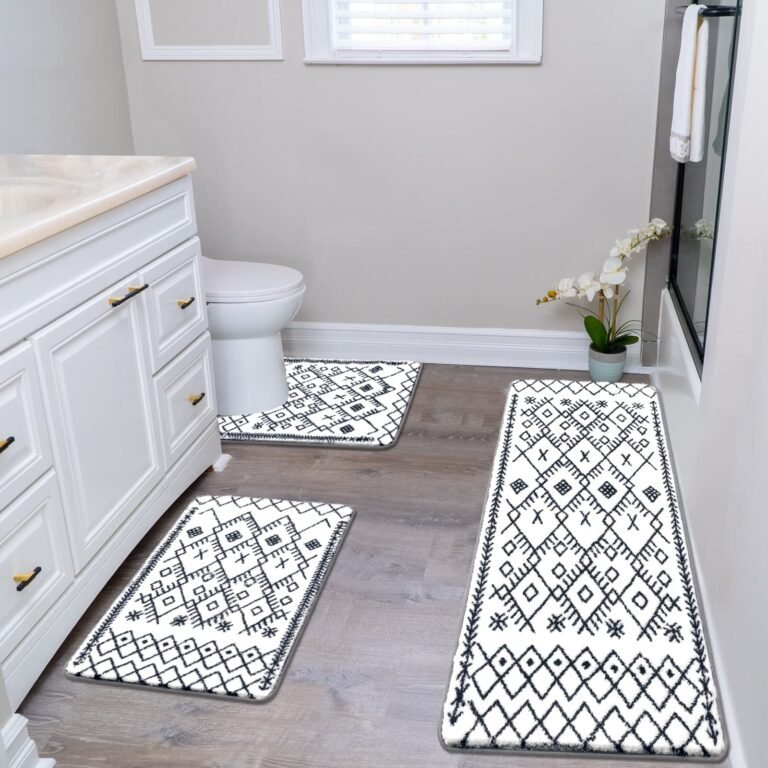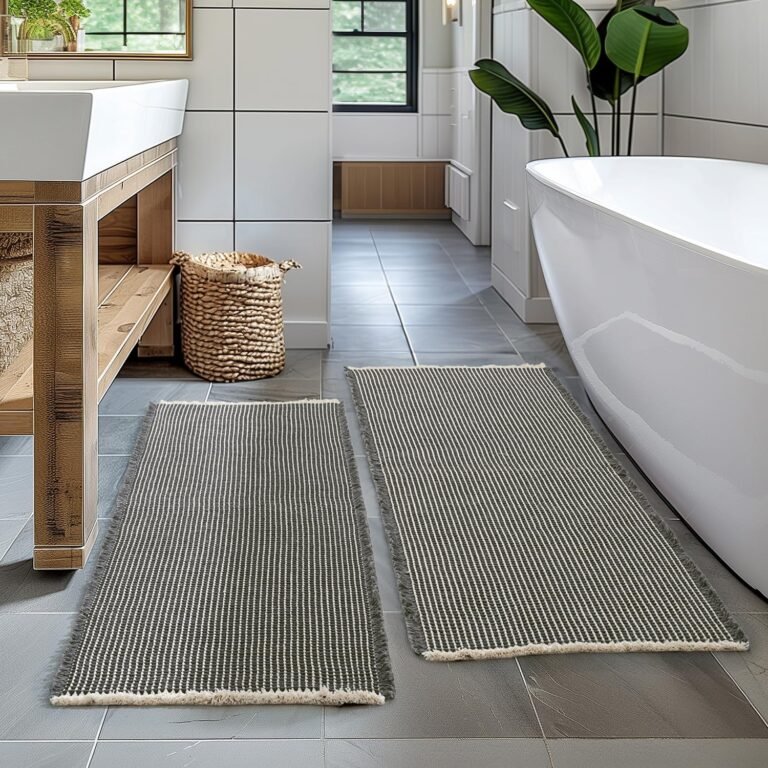
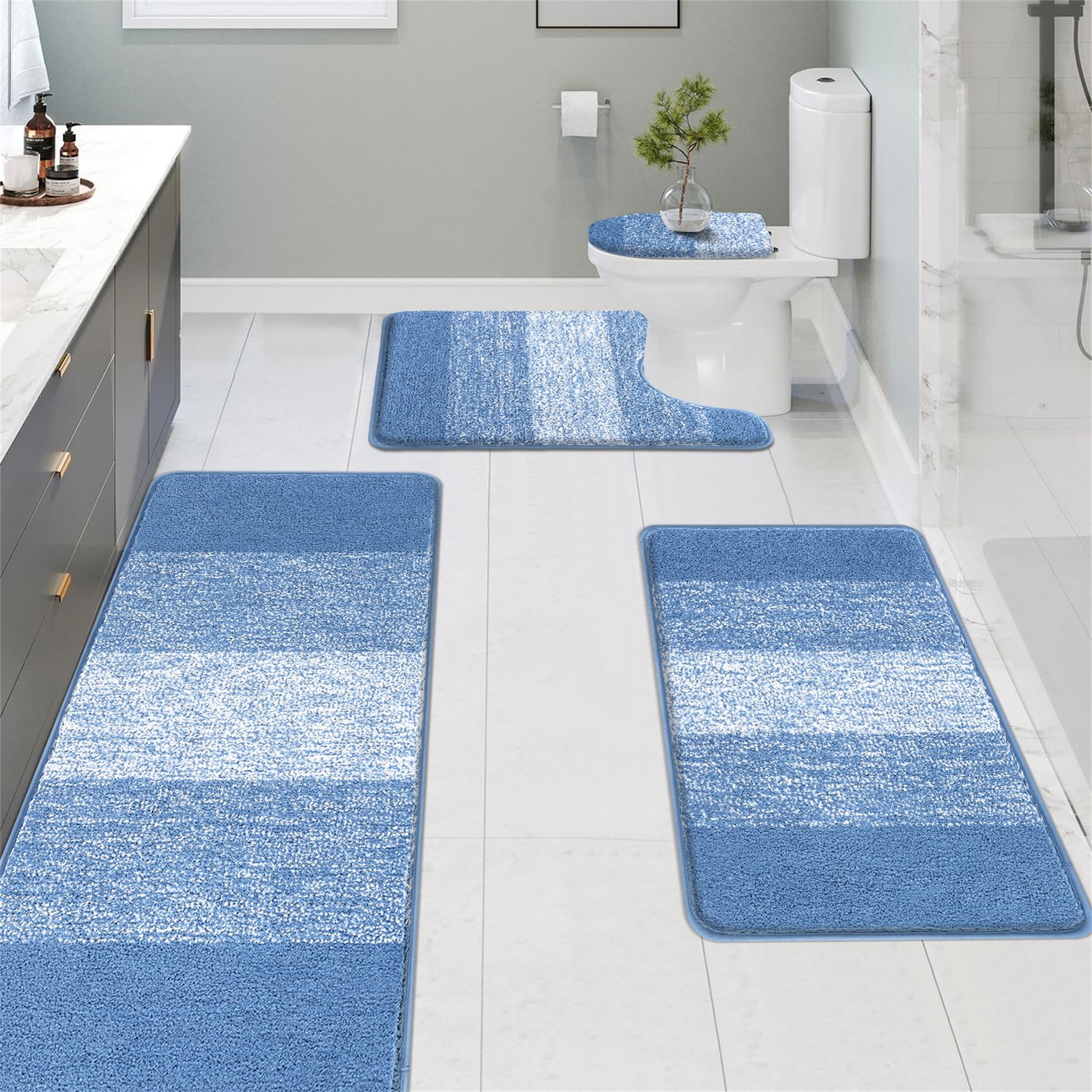
Are Bathroom Rugs Machine Washable: Care Guide
Introduction
Yes, many bathroom rugs are machine washable, but not all of them are safe to put in a washing machine. The care label, rug material, backing, size, and condition decide the answer.
In most U.S. homes, cotton, microfiber, and some polyester bathroom rugs can go in a washing machine on a gentle cycle. Rugs with latex, rubber, memory foam, jute, bamboo, or glued backing need more care. Some may need hand washing or spot cleaning instead.
The safest rule is simple: read the care label first, then check the backing for cracks, peeling, or loose pieces. A damaged rug can harm the washer and may stop gripping the floor.

How to Tell Whether a Bathroom Rug Is Machine Washable
The care label gives the most reliable answer. Look for phrases such as “machine wash cold,” “gentle cycle,” or “wash separately.” Also check for warnings such as “hand wash,” “do not machine wash,” or “spot clean only.”
If the label is missing, use the rug’s material and backing as clues. These clues cannot replace the manufacturer’s instructions, but they can help you choose the safer option.
| Bathroom rug type | Usually machine washable? | Main concern |
|---|---|---|
| Cotton bath mat | Often yes | May shrink or shed lint |
| Microfiber mat | Often yes | Heat can damage fibers |
| Polyester mat | Often yes | Backing may not tolerate heat |
| Rubber-backed mat | Sometimes | Rubber can crack or peel |
| Latex-backed mat | Sometimes | Latex may break down |
| Memory foam mat | Depends on label | Foam can tear or hold water |
| Jute or sisal mat | Usually no | Natural fibers can swell and warp |
| Bamboo mat | Usually no | Water can damage wood strips |
| Padded toilet mat | Depends on label | Thick padding may retain water |
Check the label and backing
Before washing, inspect the entire rug:
- Find the sewn-in care tag.
- Identify the fiber, such as cotton, polyester, or microfiber.
- Check whether the back has rubber, latex, PVC, foam, or another coating.
- Look for cracks, flaking, peeling, or sticky areas.
- Confirm that the rug fits loosely inside the washer.
If the backing is breaking apart, do not machine wash the rug. Small pieces can loosen during the cycle and may collect in the washer drain or pump.
Understand the difference between rubber and latex backing
Manufacturers may use “rubber,” “latex,” or “non-slip backing” on product labels. These terms do not always describe the same material. Some backings are bonded coatings, while others are separate pieces sewn to the rug.
This matters because heat, detergent, age, and repeated water exposure can cause different types of backing to fail. When the label does not give clear instructions, wash the rug by hand or replace it if the backing is already damaged.

How to Wash a Machine-Washable Bathroom Rug
Wash a bathroom rug only when the label allows machine washing. Use a gentle process that reduces stress on the fibers and backing.
1. Shake out loose dirt
Take the rug outdoors or over a trash can and shake it well. Remove hair, dust, and loose debris by hand or with a vacuum attachment.
Do not put a heavily soiled rug straight into the washer. Grit can stay in the fibers and may place extra strain on the machine.
2. Pre-treat visible stains
Apply a small amount of mild laundry detergent to stains. Let it sit for a few minutes, unless the care label says otherwise. Avoid mixing bleach with other cleaners.
For urine, mildew, or strong odors, follow the rug maker’s instructions. Do not assume that a stronger chemical will clean better. Harsh products may fade the rug or damage its backing.
3. Load the washer carefully
Wash the rug with similar, durable items if the care label permits. Avoid filling the drum tightly. The rug needs room to move through the water.
A large, wet bath mat can become heavy. If the washer struggles to balance, stop the cycle and redistribute the load. Do not force a bulky rug into a small washer.
4. Choose cold or warm water
Cold water is the safer default for most bathroom rugs. Use a gentle or delicate cycle unless the label gives different instructions.
Warm water may help remove body oils and residue, but it can also increase shrinkage or damage rubber and foam. Hot water is usually the riskiest choice for rugs with coated backing.
5. Use a small amount of mild detergent
Use regular laundry detergent in the amount recommended for the load. Too much detergent can remain in thick fibers and make the rug feel stiff or sticky.
Avoid fabric softener unless the manufacturer allows it. Fabric softener can coat fibers and may reduce absorbency. It may also affect the performance of some non-slip materials.
6. Dry the rug as directed
Air-drying is usually the safest choice, especially for rubber-backed, latex-backed, foam, or padded rugs. Hang the rug or lay it flat in a well-ventilated place.
If the care label allows a dryer, use low heat. Remove the rug while it is still slightly damp, then finish drying it flat. Do not use high heat unless the manufacturer specifically permits it.
A rug must be fully dry before it returns to the bathroom. Damp rugs can develop odors and may contribute to mold growth.

Best Washer Settings for Bathroom Rugs
The best setting depends on the rug’s material and backing. When the care label is unclear, choose the gentlest reasonable option.
| Washer setting | Safer default for |
|---|---|
| Cold water | Most washable rugs |
| Gentle or delicate cycle | Cotton, microfiber, and lightly padded rugs |
| Low spin | Fragile or thick rugs |
| Mild detergent | Most washable materials |
| Extra rinse | Thick rugs that hold detergent |
| Low-heat dryer | Only when the label permits it |
| Air dry | Rubber, latex, foam, and delicate backing |
Do not use the same setting for every bathroom rug. A thin cotton mat may tolerate more washing than a thick memory foam mat. A rug’s top fabric may be washable while its backing is not.
Can you wash a bathroom rug with towels?
Often, yes, but only when the rug and towels have similar care needs. Washing a washable cotton rug with cotton towels can help balance the load. However, microfiber rugs may release or collect lint, and rugs with loose backing may shed pieces.
Do not wash a bathroom rug with delicate clothing. Hair, lint, cleaning residue, and rough backing can damage other items.
Can you wash two bathroom rugs together?
You can wash two rugs together if they fit loosely and have similar colors, materials, and care instructions. Stop if the load becomes unbalanced.
For a thick or heavy rug, washing it alone may be safer. Always consider the washer’s capacity. A rug that is manageable when dry can become much heavier when soaked.
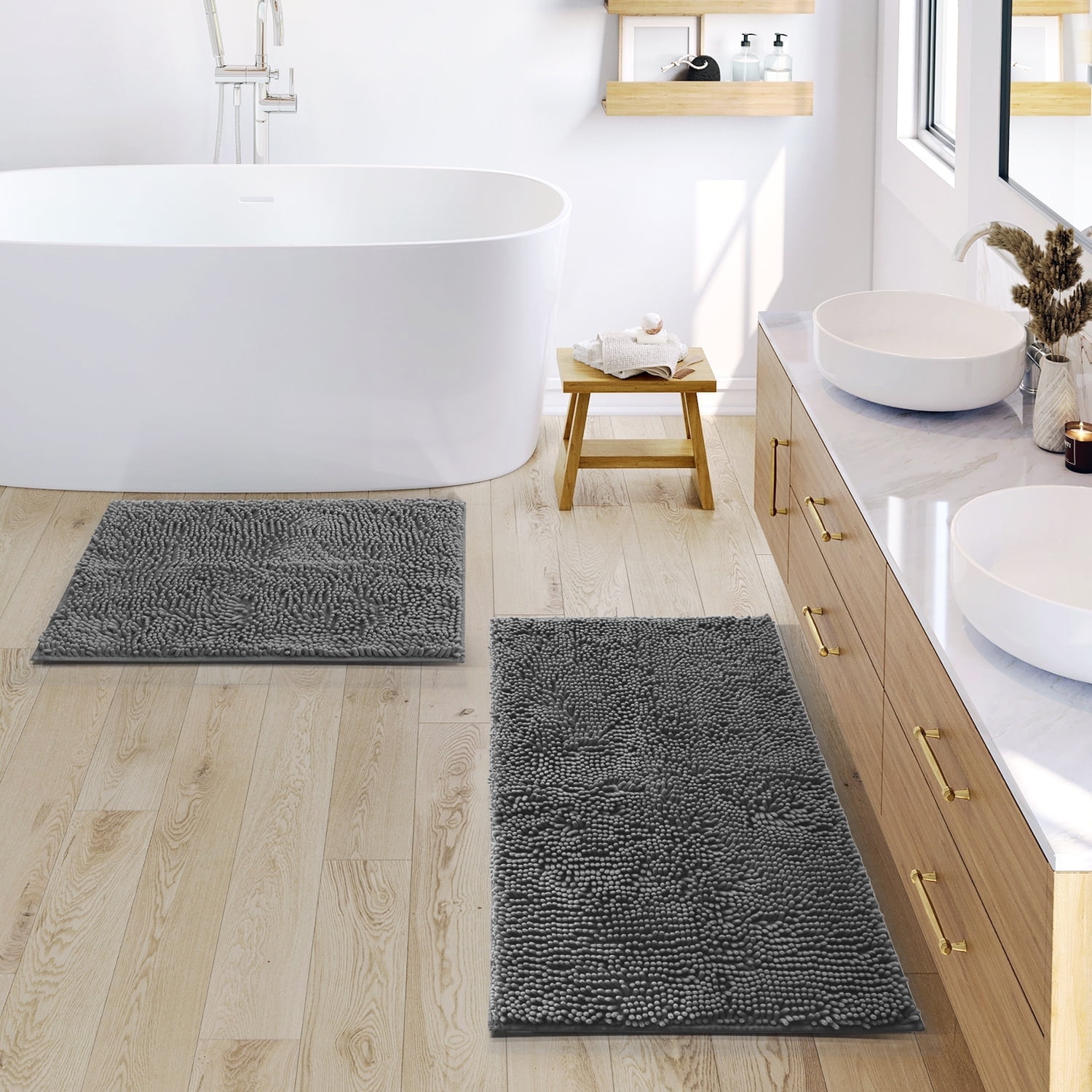
When You Should Not Machine Wash a Bathroom Rug
Some bathroom rugs should not go in a washing machine. Hand washing or replacement may be safer.
Do not machine wash when the backing is peeling
Peeling backing is a clear warning sign. Rubber and latex pieces can break away during washing. They may clog the washer’s pump, stick to the drum, or leave flakes on other laundry.
If the rug is otherwise usable, remove loose pieces and hand wash it only if the care label allows. If the backing no longer grips the floor, replacement is usually the safer choice.
Avoid machine washing natural-fiber rugs
Jute, sisal, seagrass, and similar fibers can absorb water and change shape. They may shrink, swell, stain, or develop a musty odor.
These rugs often need vacuuming and spot cleaning. Follow the product instructions rather than soaking them.
Avoid soaking bamboo and wood bathroom mats
Bamboo mats are not the same as fabric bath rugs. Water can seep into seams, weaken adhesive, stain the surface, or cause wood pieces to warp.
Clean these mats with a lightly damp cloth and dry them soon after cleaning, unless the manufacturer gives different instructions.
Use caution with memory foam rugs
Memory foam mats may be machine washable, but the answer varies by product. Some foam mats can tear, lose shape, or hold a large amount of water. A heavy, soaked foam mat may also be difficult for a household washer to spin safely.
Check the label before washing. If machine washing is allowed, use cold water, a gentle cycle, and low heat or air drying.
How Often Should You Wash Bathroom Rugs?
Wash bathroom rugs when they look dirty, smell musty, or no longer feel fresh. The right schedule depends on bathroom use, moisture, ventilation, pets, and household needs.
A frequently used family bathroom may need more frequent washing than a lightly used guest bathroom. Rugs placed near a shower may also need more care because they stay damp longer.
Use this practical guide:
- Weekly or every two weeks: Busy bathrooms, homes with children, or rugs that stay damp.
- Every two to four weeks: Many regularly used bathrooms when the rug dries fully between uses.
- As needed: Guest bathrooms or rugs used only occasionally.
- Immediately: After a spill, pet accident, sewage backup, or visible contamination.
Washing alone does not solve a moisture problem. If the rug stays wet for hours, improve ventilation, spread it out after use, or move it away from the shower.

How to Clean a Bathroom Rug Without a Washing Machine
Hand washing is a good option for rugs with delicate backing or unclear care instructions, provided the label does not prohibit water.
- Shake or vacuum out loose dirt.
- Fill a tub or basin with cool water.
- Add a small amount of mild detergent.
- Press the rug under the water and gently work through the fibers.
- Rinse until the water runs clear.
- Press out water without twisting the rug.
- Roll it in a clean towel to remove extra moisture.
- Air-dry it completely before use.
Do not wring a rubber-backed or foam rug. Twisting can crack the backing or distort the shape.
For spot cleaning, test the cleaner on a hidden area first. Blot rather than scrub hard, and keep water away from backing that is not designed to get wet.

Common Mistakes When Washing Bathroom Rugs
Several cleaning mistakes can shorten a rug’s life or damage the washer.
Using hot water by default
Hot water may cause shrinkage, color loss, or backing failure. Use cold water unless the care label says otherwise.
Drying a rubber-backed rug on high heat
High heat can make rubber and latex brittle. It may also cause peeling or cracking. Air dry or use low heat only when permitted.
Adding too much detergent
Extra detergent does not always mean a cleaner rug. Residue can attract dirt and make fibers feel stiff.
Washing a rug with loose backing
A rug that is already peeling may shed material throughout the washer. Replace it or follow a safer hand-cleaning method.
Returning the rug while it is damp
A damp rug can smell, stain the floor, and create a slip risk. Dry both sides fully before putting it back.
Ignoring the floor underneath
Even a clean rug can cause problems if moisture stays trapped beneath it. Lift the rug during bathroom cleaning and let the floor dry.
What to Do if the Rug Shrinks, Smells, or Falls Apart
The result can help identify what went wrong.
| Problem | Likely cause | What to do |
|---|---|---|
| Rug shrinks | Heat or agitation | Reshape while damp; use lower heat next time |
| Backing peels | Age, heat, or detergent stress | Stop machine washing; replace if grip is lost |
| Musty smell | Slow drying or trapped moisture | Wash if allowed and dry both sides fully |
| Rug feels greasy | Detergent or softener residue | Rinse again without extra product |
| Colors run | Dye instability or warm water | Stop using warm water; wash separately |
| Rug stays wet | Thick foam or dense fibers | Air-dry flat with strong airflow |
| Washer bangs | Unbalanced or overloaded load | Stop, redistribute, or wash separately |
If the rug develops a strong odor after thorough cleaning and drying, inspect the backing and the floor beneath it. Persistent mildew may mean the material has absorbed moisture or the backing has started to break down.
Do not keep using a rug that slides, curls, sheds backing, or creates a trip hazard.

Bathroom Rug Safety Tips
A bathroom rug must do more than look clean. It should dry well, stay flat, and remain stable underfoot.
Keep these safety points in mind:
- Place the rug on a clean, dry floor.
- Use a non-slip pad only when the rug and pad are compatible.
- Do not place a rug over a wet floor.
- Replace a rug with curled edges or damaged backing.
- Keep the rug away from heaters and open flames.
- Do not use bleach unless the care label allows it.
- Wash rugs separately if they contain strong chemical residue.
- Make sure the washer and dryer can handle the rug’s wet weight.
A non-slip label does not guarantee that a rug will remain slip resistant after repeated washing. Inspect the underside after each wash, especially if the rug is used by older adults, children, or anyone with limited balance.

Key Takeaways
- Many cotton, microfiber, and polyester bathroom rugs are machine washable.
- The care label is the best source of washing and drying instructions.
- Use cold water, a gentle cycle, mild detergent, and low heat or air drying unless the label says otherwise.
- Do not machine wash rugs with peeling rubber or latex backing.
- Jute, sisal, bamboo, and wood mats usually need a different cleaning method.
- Dry the rug fully before returning it to the bathroom.
- Replace any rug that slides, curls, smells persistently, or sheds backing.
FAQs
Can I put a rubber-backed bathroom rug in the washing machine?
Sometimes. Check the care label first. If machine washing is allowed, use cold water and a gentle cycle. Air dry or use low heat only if permitted. Never machine wash a rubber-backed rug if the backing is cracked or peeling.
Can I put a bathroom rug in the dryer?
Only if the care label allows machine drying. Use low heat for approved rugs. Air drying is safer for rubber-backed, latex-backed, memory foam, and padded rugs.
Can I wash a bathroom rug with clothes?
It is usually better to wash bathroom rugs separately or with similar towels. Rugs can carry hair, lint, grit, and cleaning residue. Do not wash them with delicate clothes.
Why does my bathroom rug smell after washing?
The rug may have dried too slowly, retained water in thick fibers, or developed mildew in the backing. Wash it again only if the label permits, then dry both sides completely with good airflow.
How do I know when to replace a bathroom rug?
Replace it when the backing peels, the rug slides, the edges curl, the fibers stay damp, or a strong odor remains after cleaning. A damaged bath mat can become a slip or trip hazard.
Conclusion
Bathroom rugs are often machine washable, but the answer depends on the rug’s label, fabric, backing, and condition. Cotton, microfiber, and some polyester mats usually tolerate a gentle wash. Rubber, latex, foam, natural-fiber, bamboo, and wood-backed rugs need closer attention.
Before washing, inspect the backing and confirm the care instructions. Use cold water, mild detergent, a gentle cycle, and low heat or air drying when allowed. When the rug is damaged or the instructions are missing, hand washing or replacement is safer than risking the rug or the washing machine.