Are Bathroom Rugs Sanitary: The Clean Truth
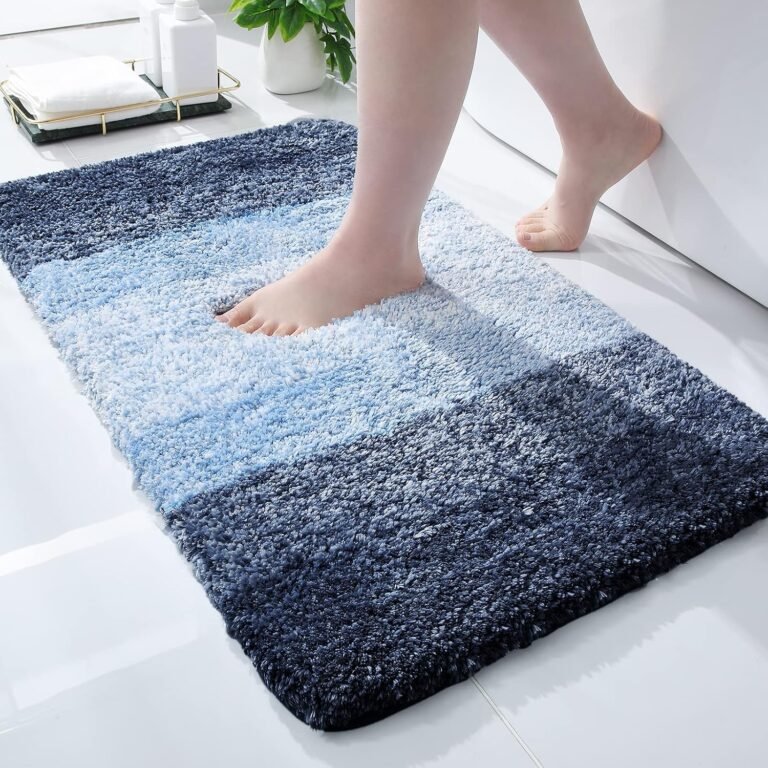
Bathroom rugs can be sanitary, but only when they stay dry and are washed often. A dirty, damp rug can collect skin flakes, hair, dust, soap, urine droplets, and microbes. In most U.S. homes, a bathroom rug is not dangerous by itself. The main concern is poor cleaning and slow drying.
A washable rug that dries fully between uses is usually a reasonable choice. Rugs that stay wet, smell musty, show mold, or have a waterproof backing that traps moisture need more care—or replacement.
Why Bathroom Rugs Get Dirty
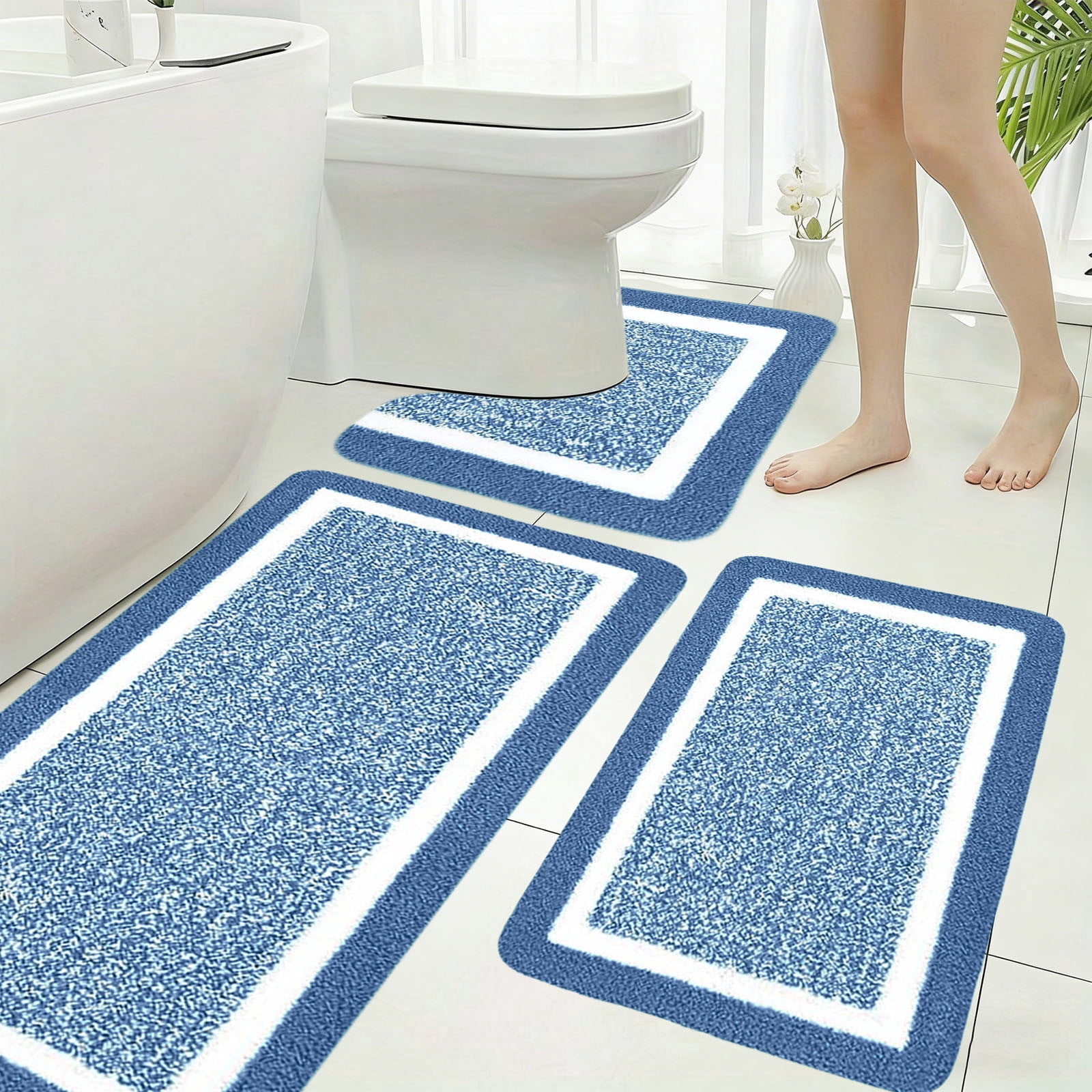
Bathroom rugs get dirty because they sit in a warm, damp room and catch material from feet, water, and nearby surfaces. Their fibers can hold moisture much longer than a hard floor.
Common sources of soil include:
- Water from showers and baths
- Wet feet
- Dead skin cells
- Hair
- Dust and lint
- Soap and shampoo residue
- Small urine droplets around the toilet
- Soil from shoes or bare feet
- Mold and mildew growth when the rug stays damp
This does not mean every bathroom rug contains dangerous germs. Many microbes are part of normal household dust and human skin. The practical issue is that moisture gives some microbes better conditions to grow.
The U.S. Environmental Protection Agency explains that controlling moisture is the key step in preventing indoor mold. A rug that dries quickly creates less opportunity for mold and mildew than one that remains wet on the floor.
Bathroom rugs versus bath mats
People often use “bathroom rug” and “bath mat” to mean the same thing, but they may serve different roles:
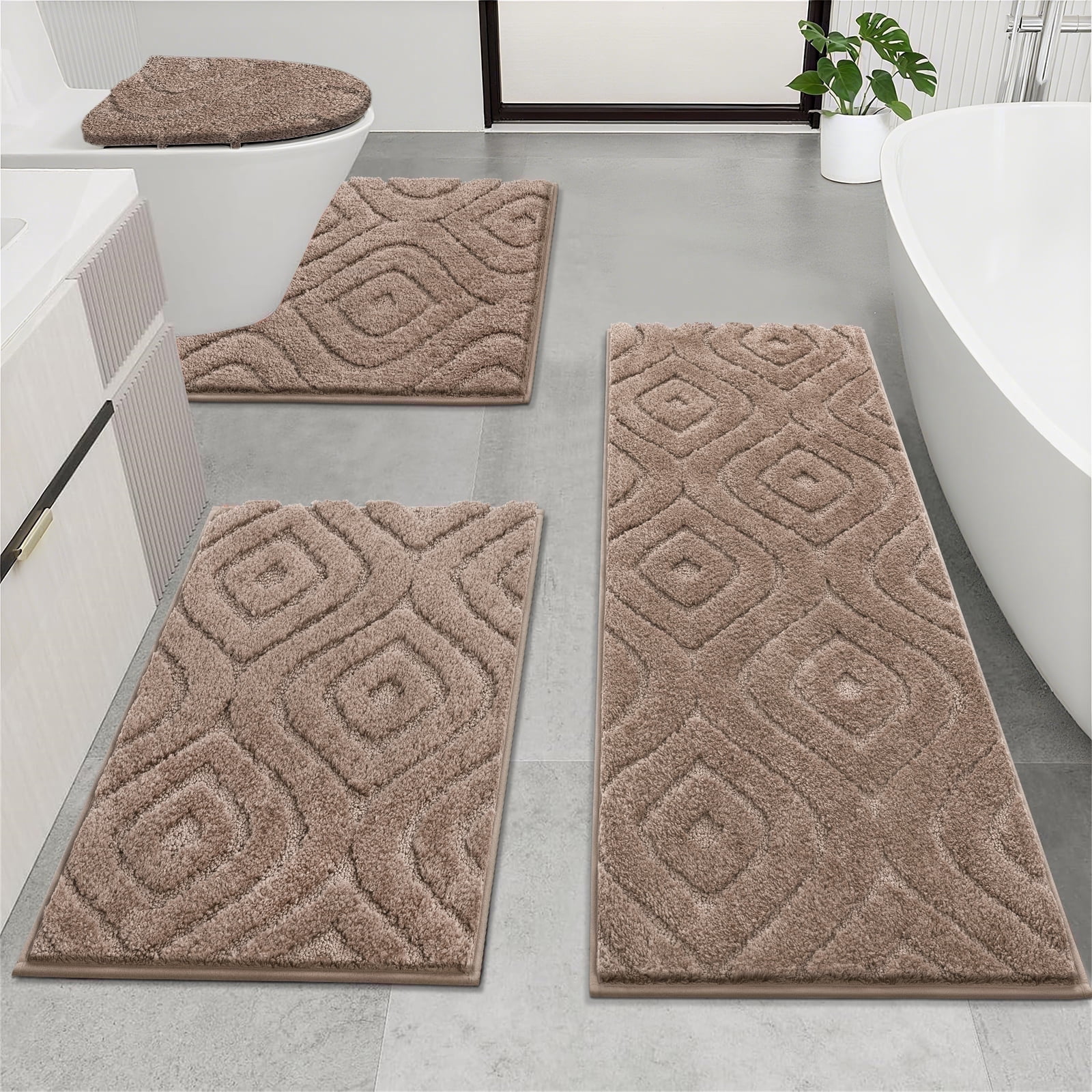
- Bath mats usually sit beside a tub or shower and absorb water.
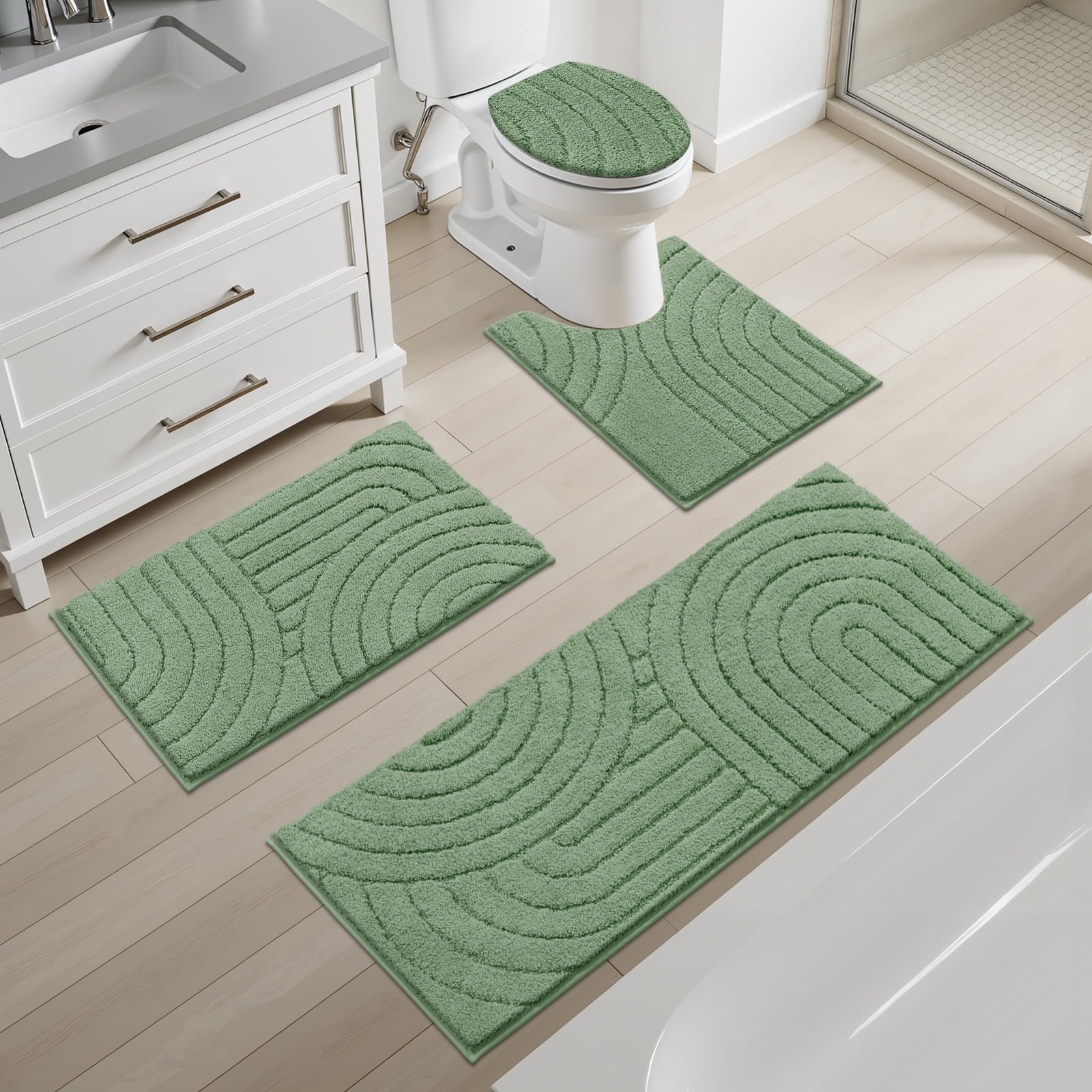
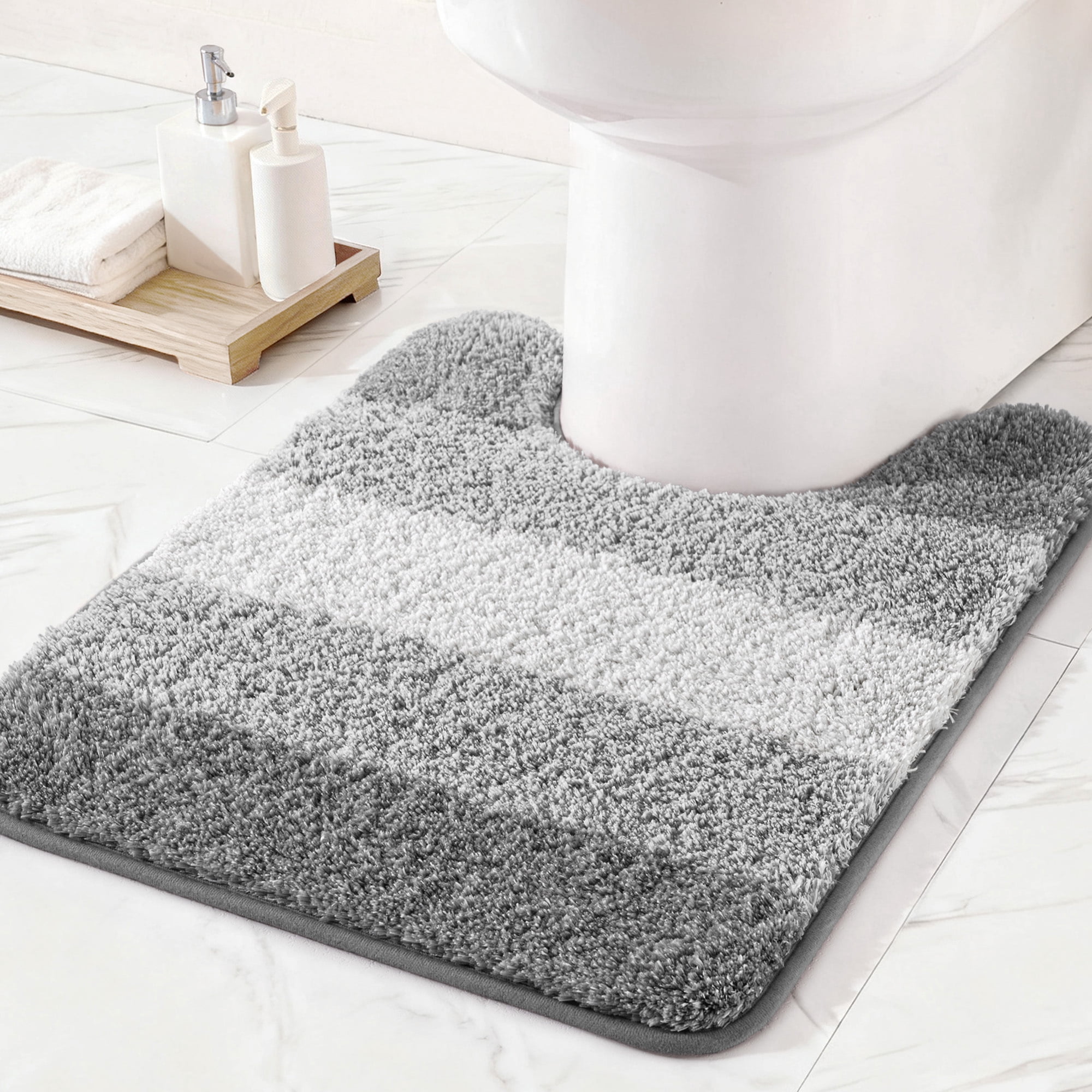
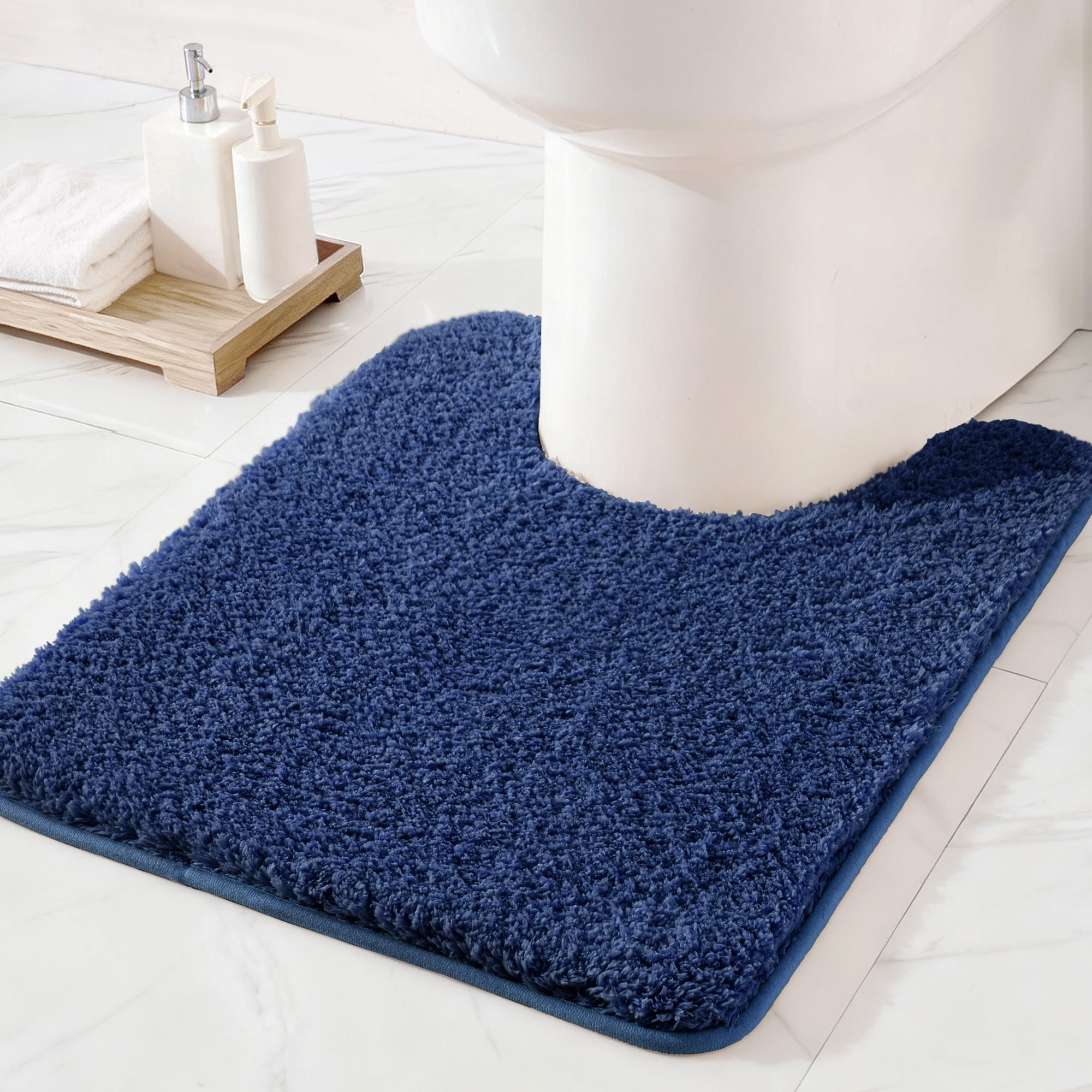
- Toilet rugs fit around the base of a toilet.
- Decorative bathroom rugs may have a low pile and absorb less water.
- Memory foam mats often dry more slowly because their foam core holds moisture.
- Rubber-backed mats may resist slipping, but the backing can trap water beneath the mat.
A rug’s material, thickness, airflow, and location affect its sanitary condition more than its name.

Are Bathroom Rugs Less Sanitary Than Hard Floors?
Bathroom rugs are usually harder to keep clean than smooth, sealed flooring. A hard floor can be wiped and dried. A textile rug can hold moisture and particles inside its fibers.
That difference does not make rugs automatically unhygienic. It means they require a cleaning routine. If a rug is washed, dried, and kept off a wet floor, it may be clean enough for normal household use.
The sanitary risk is higher when:
- The rug remains wet for many hours
- Several people use the bathroom each day
- Someone walks on it with outdoor shoes
- The rug sits around a toilet
- A person has diarrhea, vomiting, or another contagious illness
- The rug has visible mold or a musty odor
- The rug is too large or delicate to wash and dry well
- The underside stays wet against the floor
A rug also creates a slip risk when it slides, curls, or has a wet backing. The Consumer Product Safety Commission warns that falls are a major household injury concern, so sanitation is not the only factor to consider.
What “sanitary” should mean here
“Sanitary” does not mean sterile. A sterile rug would contain no living microorganisms, which is not a realistic household standard.
For a home bathroom, a sanitary rug should be:
- Free of visible soil and body waste.
- Free of persistent dampness.
- Free of mold and a strong musty smell.
- Washed at a suitable interval.
- Dried completely before use.
- Stable enough to reduce slip and trip hazards.
The goal is reasonable cleanliness, not laboratory sterility.

How Often Should You Wash a Bathroom Rug?
Most bathroom rugs should be washed at least once a week when used often. A rug in a lightly used powder room may need less frequent washing if it stays dry and clean. A bath mat used daily by several people may need washing two or more times each week.
Use this schedule as a starting point:
| Bathroom rug use | Practical washing schedule |
|---|---|
| Daily use by one person | About once a week |
| Daily use by several people | Two or more times a week |
| Beside a frequently used shower | Every 3–4 days if it stays damp |
| Guest bathroom used rarely | After use when soiled; otherwise inspect weekly |
| Around a toilet | Weekly, or sooner after visible contamination |
| Musty, visibly dirty, or wet for a long time | Wash promptly |
| Used during illness | Wash after the illness and clean the floor |
These are household-care recommendations, not a universal medical rule. The right interval depends on how quickly the rug dries and whether it receives direct contamination.
Wash the rug sooner if it has:
- A sour or musty smell
- Visible stains
- Dampness that lasts overnight
- Mold-like spots
- Pet mess
- Vomit, feces, or urine contamination
- Heavy use by a person with a weakened immune system
If the care label gives different instructions, follow the label. Manufacturer instructions matter because heat, bleach, and machine washing can damage rubber, foam, or adhesive backing.

How to Clean Bathroom Rugs Safely
A normal wash is often enough for routine cleaning. Disinfecting is not always needed and may damage the rug.
1. Check the care label
Look for instructions about:
- Machine washing
- Water temperature
- Bleach
- Dryer use
- Air drying
- Maximum heat
- Rubber or latex backing
Do not assume a rug is machine washable because it looks like cotton. Some backing materials crack, peel, or break apart in a washer or dryer.
2. Shake or vacuum the dry rug
Remove loose hair, dust, and lint before washing. If the rug is heavily soiled, avoid shaking it indoors. Place it directly into the washer or remove the soil according to the care label.
3. Wash with suitable detergent
Use the amount of detergent listed on the product label. Too much detergent can leave residue that attracts soil.
Wash heavily soiled bathroom rugs separately from clothing, towels, and bedding. If the rug has bodily waste on it, wear disposable gloves, remove the waste safely, and wash your hands afterward. The Centers for Disease Control and Prevention recommends handwashing with soap and water after cleaning tasks and after removing gloves.
4. Use bleach only when allowed
Chlorine bleach can damage colors, fibers, and rubber backing. It can also create dangerous fumes when mixed with ammonia, acids, toilet cleaners, or other products.
If the label allows bleach, follow the bleach product instructions. Never mix cleaning chemicals.
For many routine loads, detergent and thorough drying are more suitable than adding disinfectant.
5. Dry the rug completely
Drying is one of the most important steps. A rug that is clean but damp can quickly develop an odor.
Use the labeled dryer setting, or hang the rug where air can move around both sides. Do not put a rubber-backed rug into a high-heat dryer unless the manufacturer allows it.
Before returning the rug to the floor, check that:
- The center is dry
- The backing is dry
- No musty odor remains
- No dampness is trapped between the rug and floor
6. Clean the floor under the rug
Lift the rug during cleaning. Wipe and dry the floor beneath it. This matters because moisture can collect under rubber-backed mats even when the top feels dry.
Should You Disinfect a Bathroom Rug?
Routine disinfection is usually unnecessary for a normally used bathroom rug. Cleaning removes soil, while disinfection is intended to reduce certain germs on a surface. The need depends on contamination, illness, and the product’s label.
Consider extra precautions when the rug has been exposed to:
- Vomit or feces
- Urine beyond a small splash
- Blood
- A contagious gastrointestinal illness
- A household member with a condition that greatly weakens immune defenses
First remove visible soil. Then use a laundry product or disinfecting method that is approved for that fabric and permitted by the care label. Some disinfectants work only under specific conditions, such as a required wet contact time. Follow the label rather than simply spraying and wiping it away.
If the rug cannot be cleaned safely after major contamination, replacement may be the better option. This is especially true for thick foam mats, damaged rugs, and mats with peeling backing.
Do not use a disinfectant on a rug just because it has a strong fragrance. Scent does not prove that a product killed germs.

Are Rubber-Backed and Memory Foam Mats Sanitary?
Rubber-backed and memory foam mats can be sanitary, but they often need more attention than thin cotton mats. Their backing or foam core can slow drying.
Rubber-backed mats
Rubber-backed mats may help reduce slipping, but problems can develop when:
- Water becomes trapped between the mat and floor
- The backing cracks or flakes
- The rug is dried with excessive heat
- The floor beneath remains damp
- The mat is placed on a floor that is not compatible with its backing
Lift the mat regularly and inspect both sides. Stop using it if the backing peels, smells musty, or leaves residue.
Memory foam mats
Memory foam can feel comfortable, but it may hold water inside the core. If the mat still feels cool, heavy, or damp after the surface dries, it needs more air circulation or a longer drying period.
A thin, machine-washable mat may be easier to keep clean than a thick mat that cannot dry fully. This is a practical trade-off: softness and absorbency can increase drying time.

How to Keep Bathroom Rugs Cleaner
A few simple habits reduce moisture and soil:
- Hang the rug over a shower rod or drying rack after use when possible.
- Do not leave it bunched up on the floor.
- Keep the bathroom fan running during and after a shower, as recommended for the room.
- Open a door or window when safe and practical to improve airflow.
- Keep toilet rugs away from the toilet base if splashing is a recurring problem.
- Remove outdoor shoes before walking on the rug.
- Use a washable liner or mat only if it can also dry fully.
- Clean the floor beneath the rug during regular bathroom cleaning.
- Keep a spare rug available so one can dry while the other is in the wash.
- Replace rugs with persistent mold, odor, or damaged backing.
A spare rug is useful because it prevents the temptation to return a damp mat to the floor.
When Should You Throw Away a Bathroom Rug?
Replace a bathroom rug when cleaning no longer restores a clean, dry condition. Washing is not a reliable fix for every problem.
Replace it if:
- Mold keeps returning
- The rug has a lasting musty odor
- The fibers remain damp after normal drying
- The backing is peeling or cracked
- The rug has absorbed a major bodily-fluid spill and cannot be safely washed
- The rug creates a slip or trip hazard
- The rug has become thin, brittle, or difficult to clean
- The floor underneath shows repeated moisture damage
Do not try to hide mold with fragrance or fabric spray. The EPA’s mold guidance emphasizes moisture control. If moisture damage affects drywall, subflooring, or a large area, the problem may be bigger than the rug and may require qualified remediation help.
Are Bathroom Rugs Safe for Children, Older Adults, or People With Weak Immune Systems?
A clean, dry, secure rug may be suitable for most people. However, households with higher health or fall risks should use a more cautious standard.
For children, older adults, or anyone with balance problems:
- Choose a rug that lies flat.
- Use a product designed for the floor type.
- Check that the rug does not slide when stepped on.
- Remove curled or worn mats.
- Keep the walking path clear.
For people with significantly weakened immune systems, ask their healthcare professional about household cleaning needs. General advice cannot account for every condition or treatment. The main household controls remain the same: remove contamination, wash correctly, dry fully, and avoid mold.
People with asthma or mold sensitivity may also react to a musty or moldy rug. Remove the source of moisture and consider replacing the rug if the smell or growth persists.

Common Bathroom Rug Mistakes
Several habits make a bathroom rug less sanitary or less safe:
Leaving it wet on the floor
This traps moisture against both the rug and the floor. Hang it up or improve airflow after use.
Washing it but not drying it fully
A damp rug can smell and support microbial growth even after a wash cycle.
Using too much detergent
Residue can remain in the fibers and attract more soil. Follow the detergent label.
Mixing cleaning chemicals
Never mix bleach with ammonia, acids, toilet bowl cleaners, or other household chemicals.
Ignoring the underside
The bottom can stay wet while the top looks clean. Inspect both sides.
Using a damaged non-slip backing
A peeling backing can create a slip hazard and may leave residue on the floor.
Treating “antibacterial” claims as a cleaning plan
A product claim does not replace washing, moisture control, and proper drying. Read the label to learn what the claim covers and under what conditions.

Bathroom Rug Sanitation: A Simple Decision Guide
Use this quick check:
- Clean, dry, odor-free, and intact: Keep using it and wash it on a regular schedule.
- Damp but not visibly dirty: Hang it up, dry it fully, and improve bathroom airflow.
- Musty or visibly moldy: Wash if the label permits; replace it if the odor or growth remains.
- Exposed to vomit, feces, blood, or heavy urine: Handle with gloves, clean according to the care label, and replace it if safe cleaning is not possible.
- Sliding, curling, or peeling: Remove it until the safety problem is fixed.
- Repeated dampness beneath the rug: Use a thinner or more breathable mat and inspect the floor for moisture damage.
The best bathroom rug is not simply the softest or thickest one. It is one that the household can wash, dry, inspect, and replace when needed.

Frequently Asked Questions
Are bathroom rugs dirtier than toilet seats?
Not necessarily. A toilet seat is a smooth surface that can be cleaned and dried easily. A rug can hold moisture and particles in its fibers, so it may be harder to clean well. Neither item should be judged by appearance alone.
Can bathroom rugs cause yeast or fungal infections?
A damp rug can support fungi and may contribute to an unhygienic environment, but a bathroom rug is not automatically the cause of an infection. Persistent moisture, skin contact, and personal health factors all matter. Anyone with a suspected infection should seek medical advice rather than relying on rug cleaning alone.
How often should I replace a bathroom rug?
Replace it when it develops lasting odor, mold, damaged backing, poor absorbency, or a slip hazard. There is no universal replacement date. A well-maintained rug may last much longer than one that stays wet or is washed beyond its care limits.
Should bathroom rugs be washed separately from towels?
For routine care, many washable rugs can be washed with similar items if the care label allows it. Wash heavily soiled rugs separately from towels and clothing. After contamination with bodily waste, use careful handling and wash your hands after the task.
Is it better to use no bathroom rug?
A bathroom without a rug is easier to clean and may reduce trapped moisture. However, a rug can absorb water, improve comfort, and reduce wet footprints when it is washed and dried properly. The choice depends on cleaning habits, floor safety, and household needs.
Conclusion
Bathroom rugs are sanitary when they are clean, dry, washable, and safe underfoot. They become a problem when moisture, soil, or contamination remains trapped in the fibers or beneath the backing.
Wash frequently used rugs about once a week, dry them completely, lift them to clean the floor underneath, and replace any rug with persistent mold, odor, or damaged backing. For most U.S. homes, good moisture control and routine laundry matter more than trying to make a bathroom rug sterile.