What Size Air Purifier for Bedroom? The Importance of CADR Ratings
Choosing the right size air purifier for your bedroom is essential for effective air cleaning and quiet operation. By matching your room’s square footage to the unit’s Clean Air Delivery Rate (CADR), you ensure a restful night of sleep in a space free from allergens, dust, and pollutants.
We spend roughly one-third of our lives sleeping, making the bedroom the most important room in your home for air quality. If you wake up with a stuffy nose, scratchy throat, or just feel like the air is “heavy,” you might be asking yourself, “What size air purifier for bedroom use is actually right for me?” It is a common question, but many people end up buying a unit that is either too small to do any real work or way too loud for a peaceful night of rest.
In 2026, the technology behind home air purification has become incredibly efficient. However, the basic physics of airflow remain the same. To get the best results, you need to match your specific room layout with a machine that is built for that exact capacity. Let’s walk through how to pick the perfect partner for your bedside table.
Key Takeaways
- Calculate Square Footage: Always measure your bedroom dimensions first to ensure the unit can handle the total air volume of the space.
- Prioritize CADR Ratings: Focus on the Clean Air Delivery Rate rather than just the marketing claims on the box to gauge true performance.
- Consider Air Changes Per Hour (ACH): Aim for a unit that can cycle the air in your bedroom at least four to five times per hour for optimal health benefits.
- Noise Levels Matter: Since it is a bedroom, verify the decibel level of the low settings to ensure the machine doesn’t disrupt your sleep.
- Filter Maintenance Costs: Factor in the long-term cost of HEPA filter replacements when choosing your ideal air purifier model.
- Placement is Vital: Position your device away from corners and furniture to allow for unobstructed 360-degree airflow throughout the room.
Understanding the Basics of Room Coverage
Before you look at flashy features like smart-app connectivity or sleek designs, you need to look at the math. A common mistake is buying an air purifier based on the “up to X square feet” label on the packaging. That number is usually the absolute maximum the machine can handle, often at its loudest, most aggressive setting.
Calculating Your Bedroom Square Footage
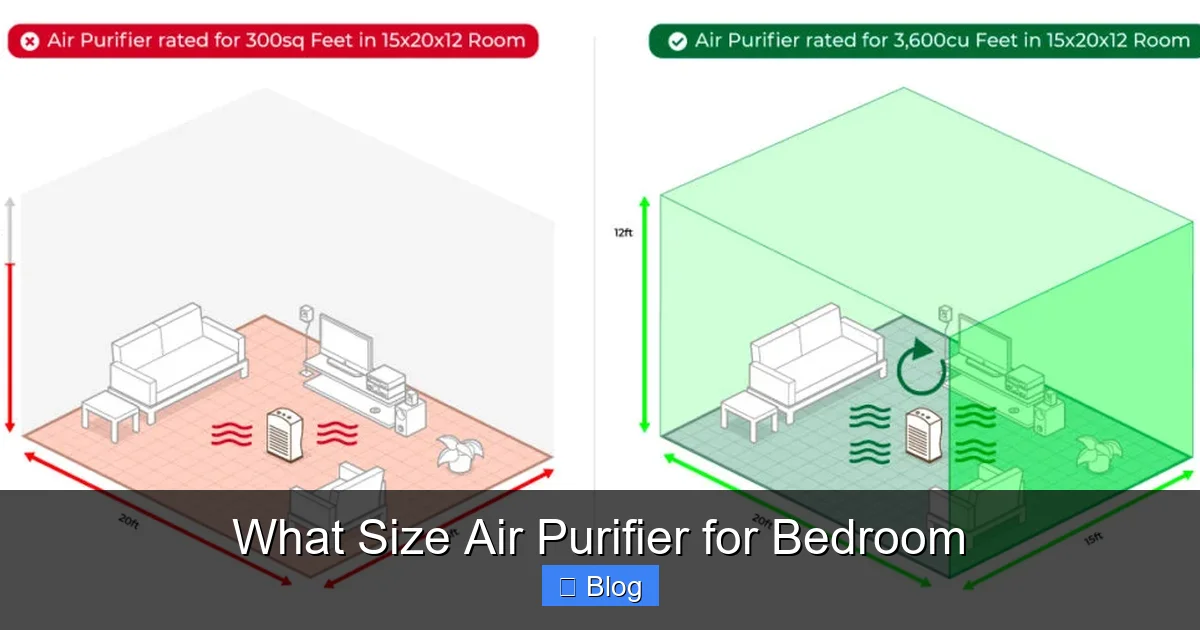
To find the correct size, pull out your tape measure. Multiply the length of your bedroom by its width. If your room is 12 feet by 12 feet, you have a 144-square-foot space. While that seems simple, you should also consider your ceiling height. If you have vaulted ceilings or an open floor plan in a primary suite, your unit needs to work much harder to move that extra volume of air.
Why Oversizing is Often Better
Here is a pro tip: always aim for a unit rated for a larger room than what you actually have. If you have a 150-square-foot bedroom, buying a purifier rated for 300 square feet is a smart move. Why? Because you can run it on a lower, quieter speed.
It will still clean the air effectively without sounding like a jet engine while you are trying to doze off. It also helps the filter last longer because the fan isn’t constantly straining to push air through a clogged medium.
The Importance of CADR Ratings
When you are shopping, ignore the marketing fluff and look for the CADR. This stands for Clean Air Delivery Rate. It is the gold standard for measuring how much filtered air a machine pushes out. It is usually broken down into three categories: dust, pollen, and smoke.
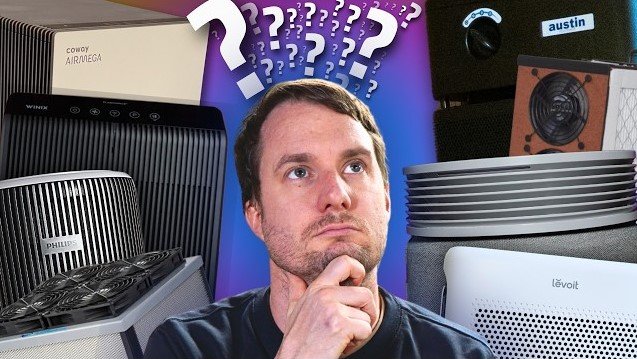
Visual guide about What Size Air Purifier for Bedroom
Image source: airpurifiers.com
Decoding the Numbers
A higher CADR number means the machine cleans the air faster. If you suffer from severe allergies, look for a unit with a high CADR for pollen. If you live in a city or near a busy road and deal with traffic fumes, prioritize the smoke CADR. This measurement tells you exactly how much power the motor has behind it, which is the most reliable way to judge effectiveness regardless of what the box says.
Air Changes Per Hour (ACH) Explained
The CADR is directly linked to the Air Changes Per Hour, or ACH. You want a machine that cycles the total volume of air in your bedroom at least four times per hour. If your unit only clears the room twice an hour, it simply isn’t keeping up with the dust and dander that settles while you sleep. A good unit will do the heavy lifting in the first few minutes after you turn it on, then maintain that quality quietly throughout the night.
Balancing Power with Sleep Hygiene
Since this is a bedroom appliance, noise is just as important as performance. You could buy the most powerful industrial-grade air purifier on the market, but if it sounds like a vacuum cleaner, you will never turn it on. In 2026, many manufacturers are focusing on “silent mode” technologies that keep decibel levels below 25 dB, which is quieter than a whisper.
Testing the Night Mode
Most modern purifiers come with a dedicated “Sleep” or “Night” mode. This setting automatically dims the lights on the display and slows the fan speed to a whisper-quiet level. When you are evaluating what size air purifier for bedroom use you need, read the reviews specifically about the noise at the lowest setting. Don’t rely on the “max” noise ratings, as you will rarely use the device at full capacity while you are in bed.
The Problem with Light Pollution
Besides noise, light is the enemy of sleep. A bright blue LED light on your air purifier can disrupt your circadian rhythm. Look for units that allow you to turn off all the lights on the control panel. If you find a unit that works perfectly but has one annoying light, a small piece of electrical tape is an easy, low-cost fix that many people swear by.
Filter Types and Maintenance Considerations
The size of your air purifier often dictates the size of the filter. Larger, roomier units typically have larger filters, which hold more dirt and pollutants. This is a massive benefit for maintenance. A small, compact unit might need a filter change every two months, while a larger, properly sized unit might go six to nine months between changes.
HEPA vs. Carbon Filters
For a bedroom, you want a True HEPA filter. These are the gold standard for trapping 99.97% of particles as small as 0.3 microns, including pollen, mold spores, and pet dander. If you are also worried about odors like smells from pets, cooking, or laundry look for a unit that includes an activated carbon layer. This layer traps gases and smells that a regular HEPA filter just cannot catch.
The “True” HEPA Requirement
Be careful of labels that say “HEPA-type” or “HEPA-like.” These are often marketing terms for cheaper filters that don’t meet the strict government standards of a True HEPA filter. If you want real relief from bedroom allergens, stick with the “True HEPA” label. It ensures that the microscopic stuff that triggers your asthma or allergies actually gets trapped and stays in the filter.
Optimal Placement in Your Bedroom
Even if you pick the perfect size, placing your purifier in the wrong spot can ruin its efficiency. Many people make the mistake of hiding their air purifier behind a door or inside a closet. This restricts the airflow, forcing the motor to work harder and reducing the air-cleaning power significantly.
The Best Spot for Airflow
The ideal spot is at least three feet away from walls or furniture. It needs to “breathe” from all sides. If you have a small room, try placing it in a corner that is not obstructed by curtains or a desk. The goal is to create a circulation loop where clean air can flow upward and across the room before being pulled back into the intake.
Using the Room’s Natural Circulation
If you have a ceiling fan, use it! Running your ceiling fan on a low setting helps circulate the air throughout the room, which aids the air purifier in reaching those “dead zones” where dust likes to collect. By pairing your purifier with good air movement, you maximize the effectiveness of the device, making that initial question about “what size air purifier for bedroom” much easier to answer.
Making the Final Decision
When you are ready to buy, write down your bedroom dimensions and add 50 square feet to that number. Look for units that have a CADR rating that exceeds your square footage requirements. Check the noise decibels for the sleep mode and make sure the filter replacement costs fit into your annual budget. It is not just about cleaning the air; it is about creating a sanctuary for your recovery.
Remember, the best air purifier is the one you actually use every single night. Don’t get caught up in trying to find the most “high-tech” machine with all the bells and whistles. A simple, reliable machine that covers the size of your bedroom correctly will always outperform a fancy, oversized, or undersized unit.
Once you get the size right, you will notice the difference in the air quality within just a few hours of the first use. By taking these steps, you are not just purchasing an appliance; you are investing in better sleep and improved health. After all, when you wake up breathing clearly, the rest of your day feels much brighter. Enjoy your fresh, clean air!
Frequently Asked Questions
What size air purifier do I need for a 200 square foot bedroom?
For a 200 square foot room, you should look for a purifier rated for at least 250 to 300 square feet. This extra capacity allows the unit to clean the air effectively on a lower, quieter fan speed while you sleep.
Does the height of my bedroom ceiling change the purifier size?
Yes, higher ceilings increase the total air volume in the room, meaning there is more air to circulate. If your ceilings are higher than eight feet, choose a unit with a slightly higher CADR rating to ensure it can handle the extra air volume.
Should I run my air purifier all night?
Yes, for the best results, you should run your air purifier continuously, especially while you sleep. Most modern units have a quiet sleep mode specifically designed to be left on throughout the night without disturbing you.
Where is the best place to put an air purifier in my bedroom?
Place your air purifier in an open area at least three feet away from walls, curtains, or furniture to allow for unobstructed airflow. Avoid placing it in a corner or under a table where the intake vents might be blocked.
Do I really need a HEPA filter for my bedroom?
A True HEPA filter is highly recommended if you suffer from allergies, asthma, or sensitivity to dust and pet dander. It is the most effective way to trap the microscopic particles that commonly cause breathing issues during the night.
How often should I clean or replace the filter?
Most HEPA filters need to be replaced every 6 to 12 months, depending on your room’s air quality and usage. Always check the manufacturer’s recommendations, as some units have pre-filters that can be vacuumed or washed to extend the life of the main HEPA filter.