How To Install Push Button Latch On Screen Door: Easy Guide
Install the push button latch in about 30–45 minutes with simple tools and accurate measuring.
I have installed many screen door latches and guided homeowners through this job. This guide on how to install push button latch on screen door walks you through each step. You will get clear tools lists, precise measurements, and common fixes. I write from hands-on experience and follow best practices to help you finish the job cleanly and quickly. Read on to install your push button latch with confidence.
Tools and materials for how to install push button latch on screen door
Before you start, gather the right tools. Good prep saves time and prevents mistakes. Typical tools and materials include:
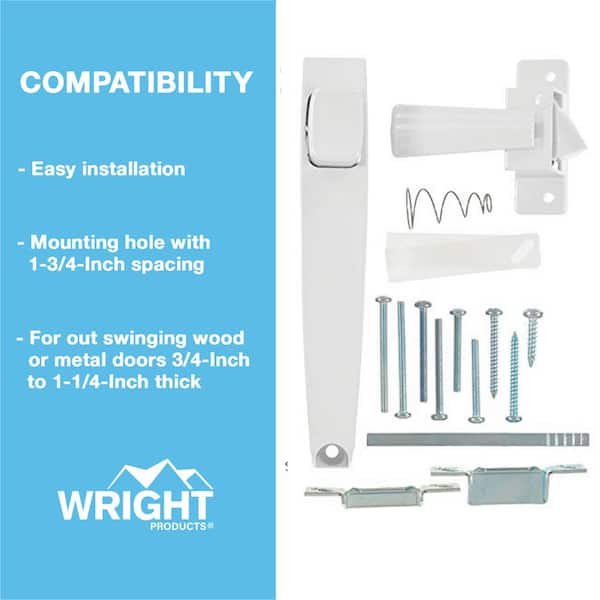
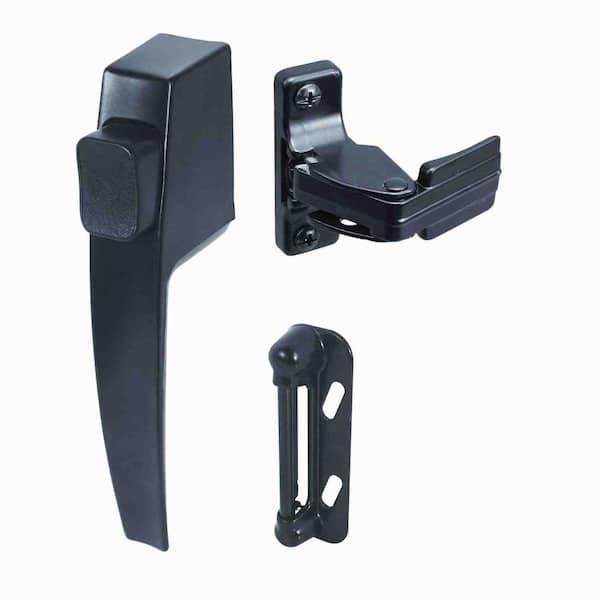
- Push button latch kit that fits your door thickness and style
- Phillips and flathead screwdrivers
- Drill and a set of drill bits
- Tape measure and pencil
- Combination square or small level
- Center punch or awl for starter holes
- Chisel (small) for shallow mortise, if needed
- 1/8" to 3/16" wood screws (often supplied)
- Silicone or exterior-grade caulk for sealing screw holes
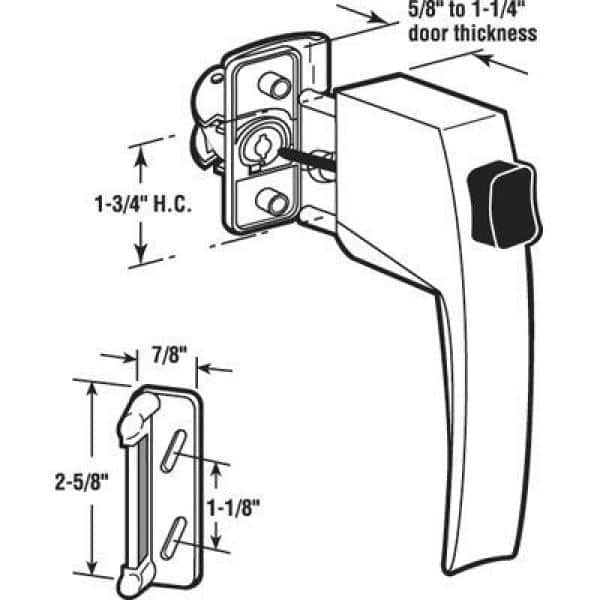
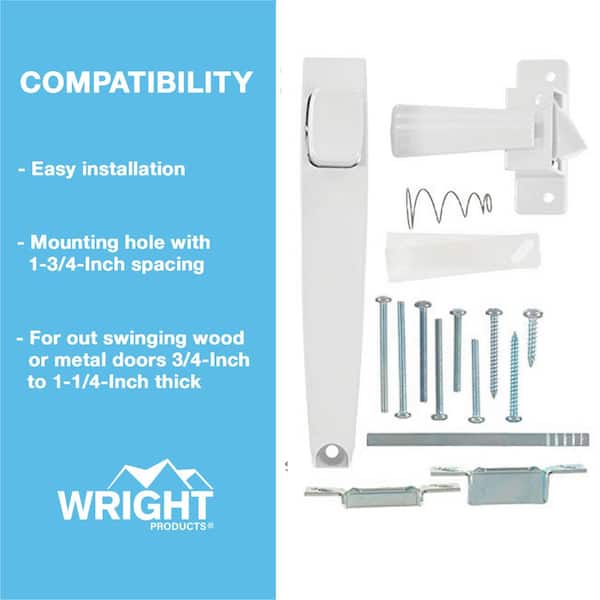
Choosing the right latch model matters. Match the latch to the door material and frame type. Many push button latches are reversible for left or right swing doors. Read the included instructions from the latch maker for specifics on backset and screw length.

How to measure and prepare when learning how to install push button latch on screen door
Good measurements are key. Mark clearly and re-check every dimension. Typical steps:
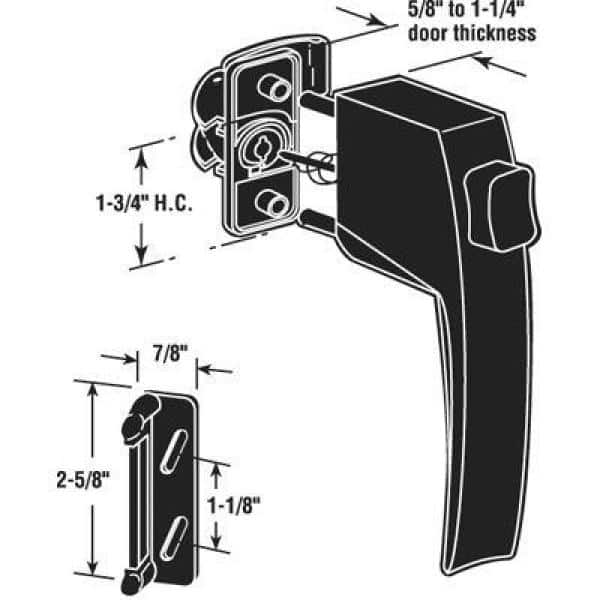
- Measure door thickness and backset distance from the door edge to the center of the latch.
- Mark the height you want the latch, often 36–48 inches from the floor, based on your door handle height.
- Use a square to transfer the centerline from the edge onto the face of the door.
- If replacing an old latch, remove it and clean the area. Fill large gaps with wood filler before new drilling.
Double-check whether the latch is surface-mounted or mortised into the door edge. Surface-mounted units need fewer cuts. Mortised units need a shallow recess for a flush fit. Accurate marking reduces splintering and misalignment later.
Step-by-step: how to install push button latch on screen door
Follow these ordered steps for a reliable install:
- Remove existing hardware. Unscrew and keep screws in a small container. Clean the door edge.
- Place the latch on the door edge and align it to your center marks. Trace the outline with a pencil.
- Drill pilot holes for the latch body screws. Use a center punch to keep bits from walking.
- For a mortise latch, chisel a shallow pocket to match the latch faceplate flush with the door edge. Work slowly and test fit often.
- Insert the latch body and secure it with screws. Tighten evenly to avoid twisting the latch.
- Attach the exterior and interior trim plates. If the latch has a spindle, insert it through and secure the button assembly.
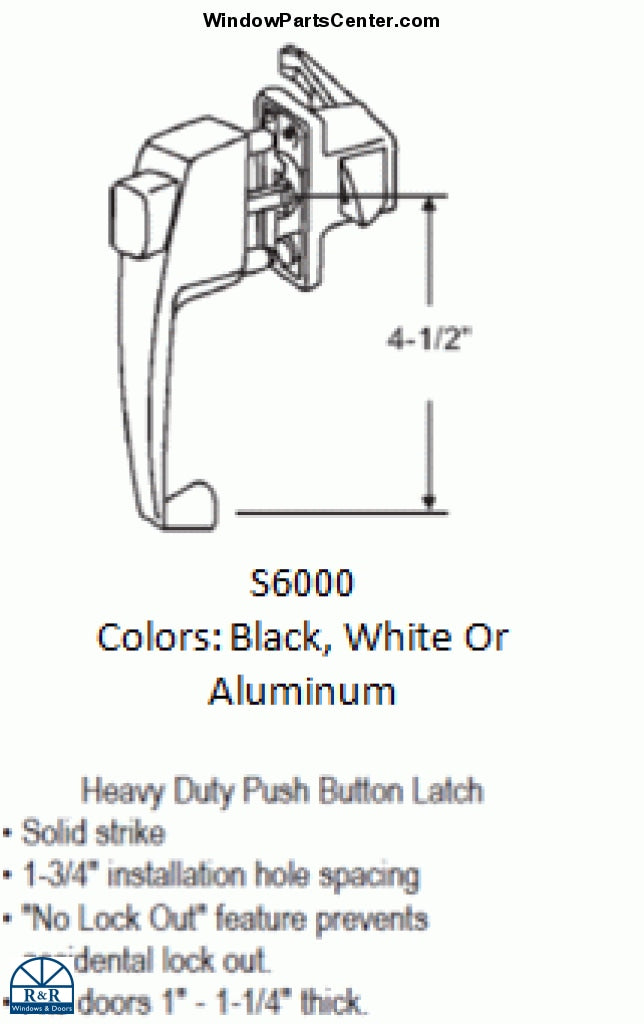
- Install the strike plate on the door frame. Close the door to mark the latch contact point and mortise or surface-mount the strike.
- Test the push button and latch action. Adjust strike alignment with the screws or slightly enlarge the strike opening if binding occurs.
Take your time on the first try. Small mistakes can cause the latch to stick. If the latch feels stiff, check for obstructions and re-align the strike.
Installing the strike and aligning how to install push button latch on screen door
Strike placement decides smooth operation. Steps to get it right:
- Close the door and press the latch so the tongue contacts the frame. Mark the center of the tongue on the frame.
- Transfer marks and drill pilot holes for the strike screws. If the strike is mortised, chisel a shallow recess until the strike sits flush.
- Fit the strike and tighten screws. Do not overtighten or the frame can split.
- If the latch binds, adjust the strike position slightly up, down, or deeper into the frame.
Proper alignment prevents jamming and wear. If your frame is metal, use self-tapping screws and metal drill bits. For wooden frames, wood screws are usually fine.
Testing, adjustments, and finishing touches for how to install push button latch on screen door
After installation, test the door several times. Try these checks:
- Press the button, close the door, and see if the latch catches and releases smoothly.
- Check from both sides to ensure the button and thumb action move freely.
- Tighten any loose screws. Small gaps can be filled with silicone to keep moisture out.
- Apply a light spray of lubricant to moving parts if the latch feels stiff.
If the latch sticks, remove and re-align the strike, or trim a small bit of the strike opening. Keep screws flush so the trim sits flat and the door closes with a clean look.
Troubleshooting and common problems when you install push button latch on screen door
Common issue: latch won't catch. Fixes:
- Realign the strike slightly higher or lower.
- Deepen the strike mortise for full tongue travel.
- Check that the latch body is fully seated and screws are not stripped.
Common issue: button is stiff. Fixes:
- Clean the mechanism of debris and apply light lubricant.
- Ensure screws are not over-tightened and compressing the mechanism.
Common issue: misaligned trim or loose screws. Fixes:
- Use wood filler and re-drill pilot holes for a stronger grip.
- Replace stripped screws with slightly larger ones or use toothpicks with glue for a temporary repair.
PAA-style question: How long does it take to install a push button latch on a screen door?
Answer: A straightforward install typically takes 30–45 minutes. Complex mortises or misaligned frames can take longer.
PAA-style question: Can I install a push button latch on a metal frame?
Answer: Yes. Use metal drill bits and self-tapping screws. Pre-drill pilot holes to avoid cracking.

Maintenance tips and longevity after you install push button latch on screen door
Small upkeep extends latch life. Try these habits:
- Clean moving parts twice a year to remove dust and grit.
- Apply a silicon-based lubricant once yearly for smooth action.
- Check screws annually and tighten as needed.
- Replace weatherstripping if it forces the door out of alignment and stresses the latch.
Regular checks catch small issues before they become big problems. A little care keeps the latch working for many years.
My experience and tips from real installs of how to install push button latch on screen door
I have installed dozens of latches on wood and metal screen doors. Lessons I learned:
- Always pre-drill pilot holes. They stop screws from splitting thin door edges.
- Use a center punch. It keeps drill bits from walking on smooth frames.
- Work in small steps when chiseling a mortise. Remove thin shavings and test fit often.
- If you fear drilling a wrong hole, make a paper template first. Tape it to the door and drill through the template for clean lines.
One time I rushed alignment and had to re-drill the strike. That cost me time but taught me to measure twice and fit once. These small habits save time and give a professional finish.
Frequently Asked Questions of how to install push button latch on screen door
What tools do I need to install a push button latch on a screen door?
You need a drill, drill bits, screwdrivers, tape measure, center punch, and a chisel for mortises. The latch kit often includes screws and a strike plate.
Can I install a push button latch on either left or right swinging screen doors?
Yes. Many push button latches are reversible. Follow the kit instructions to flip the mechanism for left or right swing.
Will installing a push button latch damage my screen door?
If you measure and pre-drill properly, no. Use pilot holes and shallow chisels to avoid splintering thin door materials.
How do I fix a latch that sticks after installation?
Check alignment of latch and strike, loosen over-tightened screws, clean debris, and apply a light lubricant. Adjust the strike if needed.
Do I need to hire a pro to install a push button latch on a screen door?
Most homeowners can do this with basic tools and patience. Hire a pro if the frame is metal with complex welding or if you prefer a guaranteed finish.
Conclusion
You can install a push button latch on screen door with simple tools, clear measuring, and careful fitting. Follow the steps here to prep, mark, fit, and align the latch for smooth operation. Take your time, test repeatedly, and make small adjustments until the door closes cleanly. Try the install yourself this weekend, and share your experience or questions below to help others.