What Do You Call The Rugs In A Bathroom: Bath Mat Guide
In the United States, the rugs used in a bathroom are usually called bath mats, bathroom rugs, or bath rugs. The best name depends on where the rug sits and what it does.
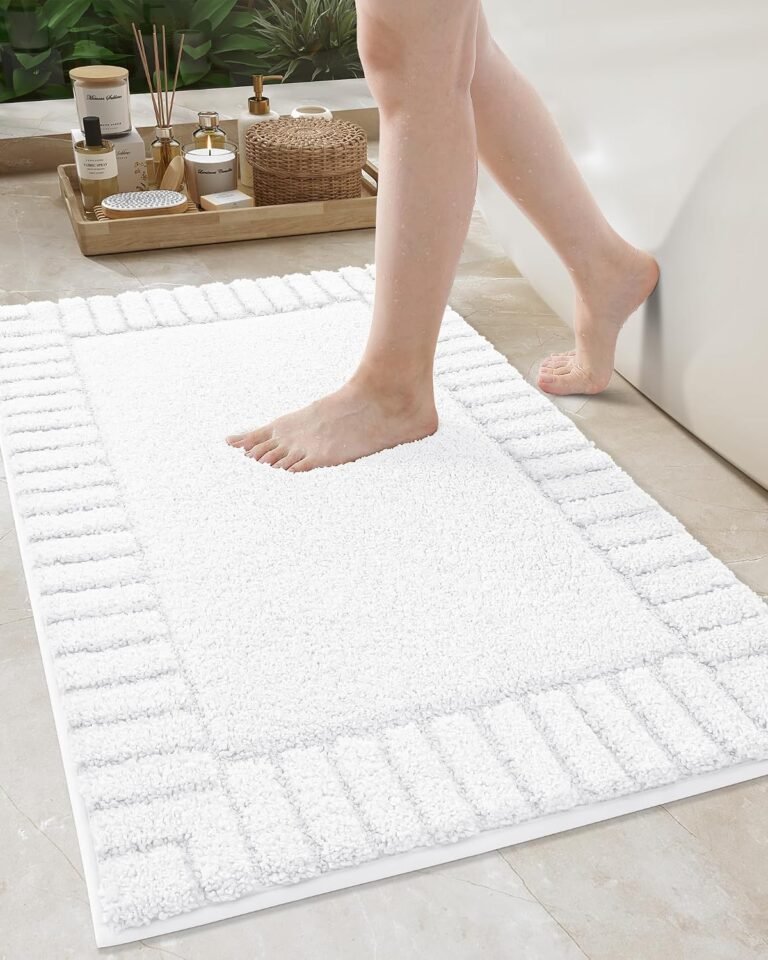
A small rug placed outside a shower or tub is a bath mat. A shaped rug that fits around the base of a toilet is a toilet mat, toilet rug, or contour mat. A rug placed near the sink is often called a bathroom rug or bath rug.
Quick answer
The most common American term is bath mat. Use these names for more detail:
- Bath mat: A small mat placed beside a tub or shower.
- Bathroom rug or bath rug: A decorative rug used anywhere in the bathroom.
- Shower mat: A mat placed inside or directly outside a shower.
- Tub mat: A mat used in or beside a bathtub.
- Toilet mat or toilet rug: A rug made to fit around the base of a toilet.
- Contour mat: A U-shaped toilet rug with a cutout for the toilet base.

Bath mat vs. bathroom rug: What is the difference?
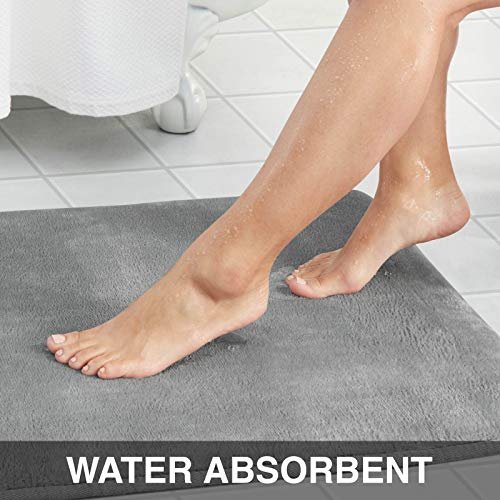
A bath mat has a practical job: it absorbs water and gives your feet a softer, safer place to stand after a bath or shower. A bathroom rug may also absorb water, but it is often chosen more for style, warmth, and comfort.
The terms overlap in everyday American speech. Many stores use “bath mat” for nearly any small bathroom floor covering. Interior designers may use “bathroom rug” for a larger, more decorative piece.
| Term | Usual location | Main purpose |
|---|---|---|
| Bath mat | Outside a tub or shower | Absorb water and provide comfort |
| Shower mat | Inside or outside a shower | Improve grip or catch water |
| Tub mat | In or beside a bathtub | Improve grip or absorb water |
| Bathroom rug | Any open floor area | Add comfort and decoration |
| Toilet mat | Around the toilet | Cover the floor near the toilet |
| Contour mat | Around a toilet base | Fit the toilet’s curved shape |
A bath mat is usually smaller and easier to wash than a standard area rug. A bathroom rug may be larger, thicker, and more decorative. However, a rug that looks attractive is not automatically suitable for a wet floor.
Are bath mats and bath rugs the same thing?
Usually, yes in casual conversation. Both terms can describe a floor covering used in a bathroom.
The main difference is emphasis. “Bath mat” suggests water control and function. “Bath rug” or “bathroom rug” often suggests style and room design.
Retail labels are not fully consistent. One store may call the same item a bath mat, while another calls it a bathroom rug. Check the product’s material, backing, care instructions, and intended location rather than relying only on its name.

What are the different types of bathroom rugs called?
Bathroom rugs have several common names. Each name describes a different location, shape, or purpose.
Bath mat
A bath mat is the standard rug used beside a shower or bathtub. It often has cotton, microfiber, chenille, or another absorbent surface.
Bath mats work best when they can dry between uses. A mat that stays damp for long periods may develop an odor or mildew, especially in a room with poor airflow.
Shower mat
A shower mat may mean either of two things:
- A mat placed inside the shower to improve traction.
- A mat placed outside the shower to catch water.
These are not interchangeable. An inside-shower mat must be made for wet use and should stay stable on the shower floor. An outside mat mainly needs to absorb water and resist sliding.
Do not place a normal fabric bath rug inside a shower unless its care label clearly allows it. Fabric rugs can move, hold water, or break down when constantly soaked.
Tub mat
A tub mat is associated with a bathtub. Some tub mats sit outside the tub and catch drips. Others sit inside the tub and provide a textured surface.
A mat inside a tub should fit the tub floor and remain flat. Suction cups may help hold some mats in place, but they do not guarantee that the mat cannot move. Clean both the mat and tub surface as directed.
Toilet mat, toilet rug, or contour mat
A toilet mat is designed to sit around the base of a toilet. A contour mat has a U-shaped cutout that follows the front of the toilet base.
These rugs are often sold as part of a bathroom rug set. They can cover the floor around a toilet, but they also have more edges and seams than a simple rectangular mat. Those edges can make cleaning harder.
For many homes, a flat rectangular rug placed in front of the toilet is easier to clean than a contour mat. The better choice depends on the room layout, cleaning habits, and the amount of floor you want covered.
Pedestal mat or sink mat
A rug placed in front of a pedestal sink may be called a pedestal mat. A longer rug in front of a vanity may be called a vanity mat, sink mat, or bathroom runner.
These rugs are mainly for comfort and decoration. They may catch splashes from the sink, but they do not replace a dedicated bath mat near the shower or tub.
Bathroom runner
A bathroom runner is a long, narrow rug. It may sit along a double vanity, between fixtures, or in a long bathroom walkway.
A runner can make a large bathroom feel warmer, but it must not block doors, drawers, cabinets, or walking paths. Measure the open floor before buying one.

Which bathroom rug should you use?
Choose the name and type based on the rug’s location and job.
- Choose a bath mat for the floor outside a shower or tub.
- Choose a shower mat made for wet areas if the mat will sit inside a shower.
- Choose a toilet mat or contour mat if you want a rug shaped around the toilet base.
- Choose a bathroom rug for a decorative rug near a vanity or sink.
- Choose a bathroom runner for a long, open floor area.
- Choose a flat, washable mat if easy cleaning is your main goal.
A simple decision table can help:
| Your need | Best term to search |
|---|---|
| Absorb water after a shower | Bath mat |
| Add grip inside a shower | Shower mat |
| Cover the floor around a toilet | Toilet mat or contour mat |
| Decorate a vanity area | Bathroom rug or sink mat |
| Cover a long bathroom floor | Bathroom runner |
| Find a general option | Bath rug or bathroom rug |
The right choice is not always the thickest rug. A thick rug may feel soft, but it can dry slowly and may catch a door or cabinet. A thinner mat may be easier to wash and move.

What materials are used for bath mats?
The most common bath mat materials are cotton, microfiber, chenille, rubber, plastic, bamboo, and teak.
Cotton
Cotton bath mats are soft, absorbent, and often machine washable. They may take longer to dry than synthetic mats. Wash them often and dry them fully.
Microfiber
Microfiber mats can dry faster than dense cotton in some settings. They are often light and easy to wash. Follow the care label because high heat can damage some synthetic fibers or backing materials.
Chenille
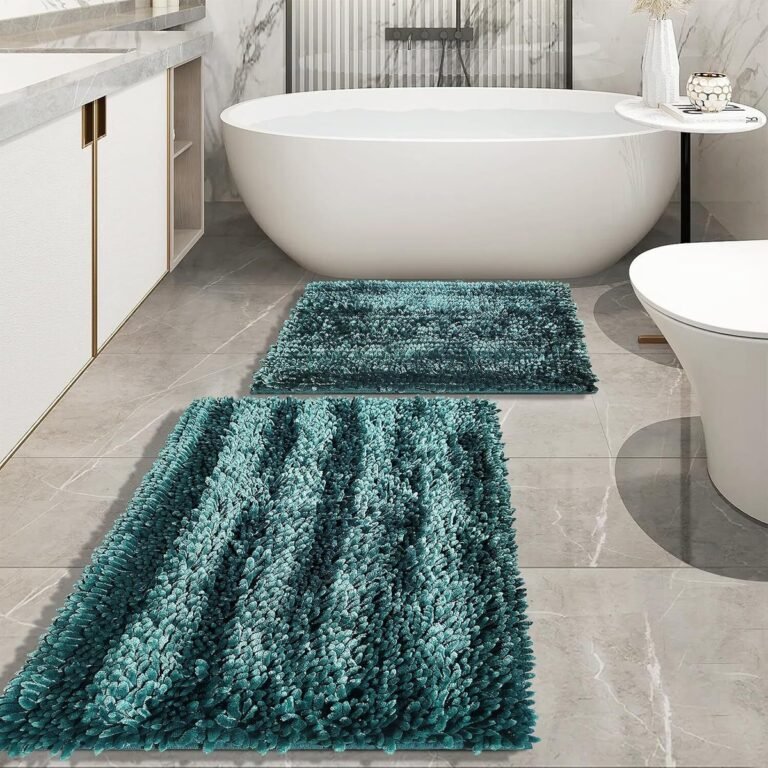
Chenille mats have a soft, textured surface. They can feel plush underfoot, but the deep pile may hold more water and take longer to dry.
Rubber and plastic
Rubber or plastic mats are often used inside showers and tubs. They can provide a textured surface, but they still need regular cleaning. A mat with worn texture, damaged suction cups, or curled edges should be replaced.
Bamboo and teak
Bamboo and teak bath mats are slatted rather than fabric. They allow water to drain below the surface and can dry quickly when raised from the floor. They may be less soft than fabric mats and still need cleaning to prevent buildup.
Material alone does not determine safety. The floor, mat backing, moisture, foot traffic, and cleaning routine all affect how well a mat works.

Are bathroom rugs safe?
Bathroom rugs can reduce wet-foot contact with the floor, but they can also create a trip or slip hazard if they move, curl, or stay wet.
Use these basic safety steps:
- Place the rug on a clean, dry floor.
- Keep the rug flat.
- Use a backing designed to resist movement.
- Do not rely on a loose rug in a place where someone needs firm support.
- Keep rugs away from doors and cabinet swings.
- Replace mats with cracked backing, curled corners, or worn surfaces.
- Dry wet floors around the mat instead of letting the rug absorb unlimited water.
A nonslip backing is not a permanent guarantee. Dust, soap, water, floor wax, and wear can reduce grip. Some rug pads also are not suitable for vinyl, stone, wood, or other floor types. Check the flooring and pad instructions before use.
People with limited balance or mobility may need a bathroom safety plan that goes beyond a rug. A securely installed grab bar, better lighting, and professional advice may be more useful than adding loose mats.

How do you clean and maintain bathroom rugs?
Clean a bathroom rug based on its material and care label. Do not assume that every bath mat can go in a washing machine or dryer.
For a washable fabric mat:
- Shake off loose debris.
- Wash it as often as needed for the amount of moisture and use.
- Use the water temperature and cycle listed on the care label.
- Dry it fully before putting it back.
- Clean the floor beneath it before replacing it.
Do not leave a damp mat folded or bunched up. Hang it or lay it flat in a place with good airflow.
For a rubber-backed mat, inspect the backing before washing. Heat, strong cleaners, and repeated machine drying can cause the backing to crack or peel. A damaged backing can leave residue on the floor and make the rug less stable.
If a rug smells musty after cleaning, it may not be drying fully. Improve ventilation, reduce how much water reaches the mat, or replace it if the odor remains.

Common mistakes when buying bathroom rugs
The most common mistake is choosing a rug by appearance alone. A bathroom rug must fit the space, dry well, and stay stable.
Avoid these problems:
- Buying a rug that is too large: It may block doors or cabinets.
- Using a bedroom rug beside a shower: It may absorb water without drying well.
- Putting a fabric rug inside a shower: It may move or hold too much moisture.
- Ignoring the backing: A soft top does not prevent sliding.
- Choosing a high-pile rug: Thick fibers can catch doors and take longer to dry.
- Leaving a rug in one place forever: The floor beneath it still needs cleaning.
- Using a contour mat only because it comes in a set: A flat mat may be easier to wash.
- Assuming “machine washable” means “dryer safe”: Check both wash and dry instructions.
- Covering every open area: Too many rugs can make a small bathroom harder to use.
Measure the available floor space first. Leave enough clearance for doors, drawers, and normal walking. Place the rug where water lands, not simply where an empty section of floor looks available.

Frequently asked questions
What is the proper name for a rug beside a bathtub?
The usual name is bath mat or tub mat. If it sits outside the tub and absorbs water, “bath mat” is the clearest term.
What do you call a rug that goes around a toilet?
It is called a toilet mat, toilet rug, or contour mat. “Contour mat” usually means a rug with a curved cutout that fits around the toilet base.
Is a bath mat different from a shower mat?
Sometimes. A bath mat usually sits outside a shower or tub. A shower mat may sit inside the shower and must be designed for wet-floor use. Product labels can vary, so check the intended location.
Can you use a regular rug in a bathroom?
You can use a regular rug in a dry part of the bathroom if it stays flat, does not block doors, and is suitable for the floor. A regular decorative rug may not absorb water or resist movement as well as a bath mat.
How often should you replace a bathroom rug?
Replace it when the fibers remain damp, the backing cracks or peels, the rug develops a persistent odor, or the edges curl. The timing depends on moisture, use, washing, and material.
Do you need a rug in front of the toilet?
No. A toilet rug is optional. Some people prefer one for comfort and appearance, while others choose a bare floor because it is easier to clean.
Key takeaways
- The general American term is bath mat.
- A decorative floor covering may be called a bathroom rug or bath rug.
- A rug shaped around a toilet is a toilet mat, toilet rug, or contour mat.
- A mat inside a shower must be made for wet use.
- Choose a rug that stays flat, dries well, and does not block doors or walking paths.
- Clean both the rug and the floor beneath it.
Final answer
If you need one simple term, call it a bath mat. Use bathroom rug for a more general or decorative floor covering, and use toilet mat or contour mat for a rug shaped around the toilet. The exact retail name may vary, but the rug’s location, material, backing, and care needs matter more than the label.