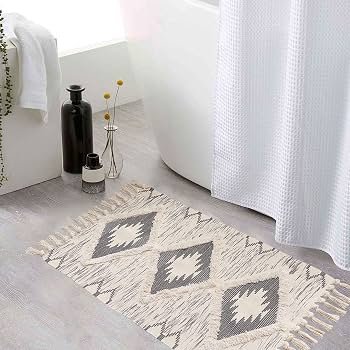
Is It A Bathroom Rug Or Mat: Rug Vs Mat Explained
Introduction
In American homes, people often use bathroom rug and bath mat to mean the same thing. The terms overlap, but they are not quite identical. A bath mat is mainly a functional item that absorbs water and helps reduce wet floors. A bathroom rug is often larger, softer, and more decorative.
The best name depends on where the item goes, what it is made to do, and whether it can handle frequent moisture. A small, absorbent piece beside a shower is usually a bath mat. A larger fabric piece placed near a vanity may be better described as a bathroom rug.
Is it a Bathroom Rug or a Mat?
The most accurate answer is this: a bath mat is a type of bathroom rug, but not every bathroom rug is a bath mat.
A bath mat is designed for wet areas. It usually sits outside a tub or shower and helps catch water from your feet. Many bath mats use cotton, microfiber, chenille, bamboo, or another material that dries fairly quickly.
A bathroom rug has a wider purpose. It may add color, warmth, or texture to the room. It can sit in front of a sink, beside a toilet, or in an open area. Some bathroom rugs are water-resistant, but they may not absorb water well enough for use outside a shower.
The words are not regulated product categories in the United States. Stores may use them in different ways. One seller may call the same item a “bathroom rug,” while another may label it a “bath mat.”
Quick comparison
| Feature | Bath mat | Bathroom rug |
|---|---|---|
| Main purpose | Absorb water and provide a dry place to stand | Add comfort, warmth, or style |
| Common location | Outside a tub or shower | Near a vanity, toilet, or open floor |
| Typical size | Small to medium | Medium to large |
| Water absorption | Usually high | Varies |
| Drying speed | Usually important | May be less important |
| Backing | Often includes a nonslip backing | May or may not include one |
| Best use | Wet feet and splash zones | Decorative or low-moisture areas |
A useful rule is simple: choose a bath mat for water control and a bathroom rug for room design.
What Is a Bath Mat?
A bath mat is a small floor covering made for use near a bathtub or shower. Its main jobs are to absorb water, improve comfort, and create a more stable place to step.
Many bath mats are made from:
- Cotton
- Microfiber
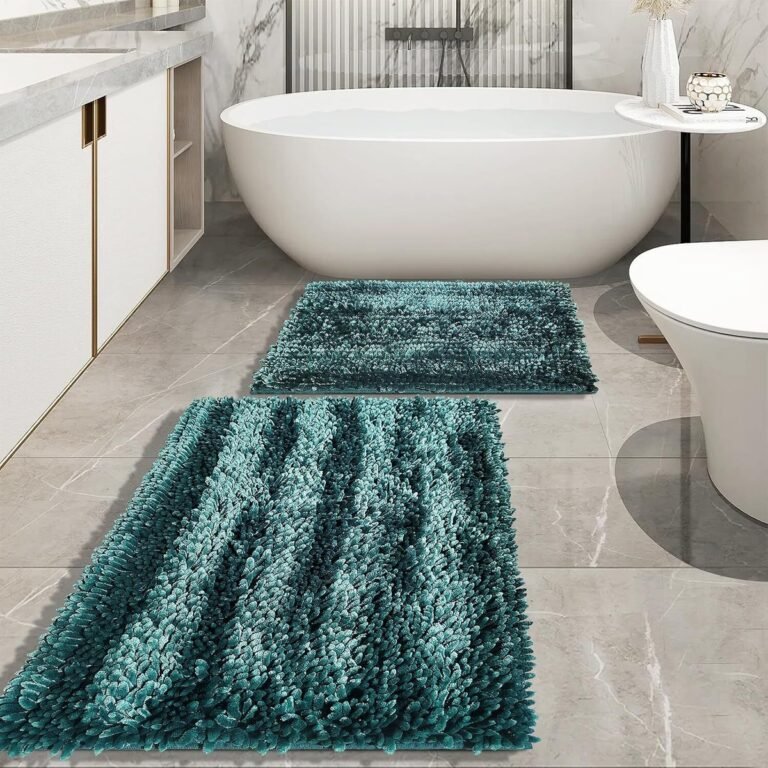
- Chenille
- Quick-dry synthetic fibers
- Teak or bamboo
- Diatomaceous earth or other mineral-based materials
Fabric mats feel soft and absorb water well. Wood and mineral mats do not work in the same way. They allow water to drain or evaporate from the surface, but they still need proper care.
A bath mat often has a rubber, latex, PVC, or silicone backing. This layer may help keep the mat in place. It does not guarantee that the mat is slip-proof. A loose mat, wet floor, curled edge, or worn backing can still create a fall hazard.
The U.S. consumer Product Safety Commission warns that wet floors and loose rugs can contribute to slips and falls. For that reason, a bath mat should lie flat and stay in place. Check the backing often, especially if the mat is used by children, older adults, or anyone with limited balance.
Common types of bath mats
Standard bath mat
This is the common rectangular mat placed outside a shower or tub. It often measures about 20 by 30 inches, though sizes vary.
Contour bath mat
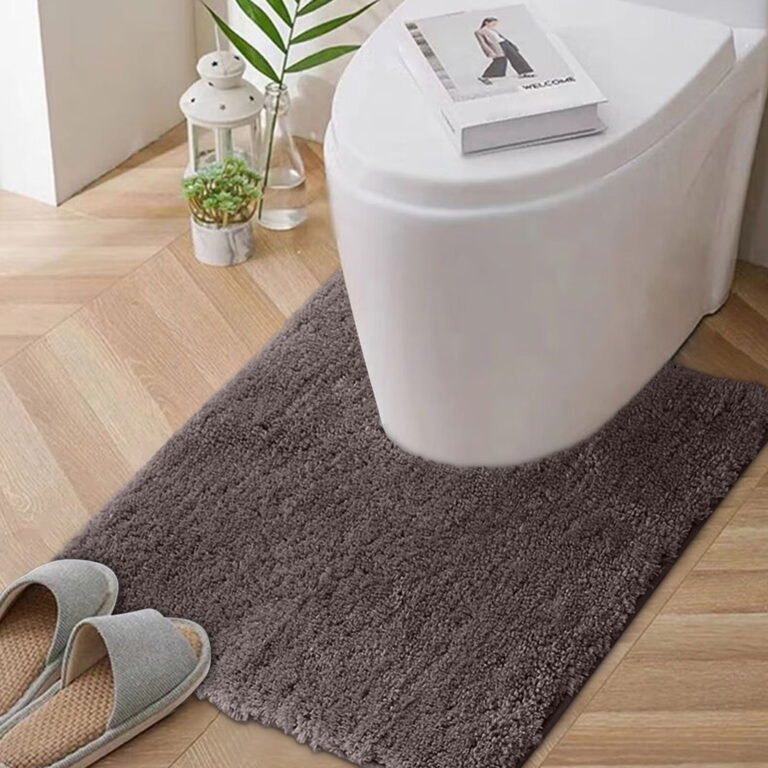
A contour mat has a cutout that fits around the base of a toilet. It can cover more floor space, but the cutout may make cleaning harder. It may also create extra edges that can curl or catch a foot.
Bath runner
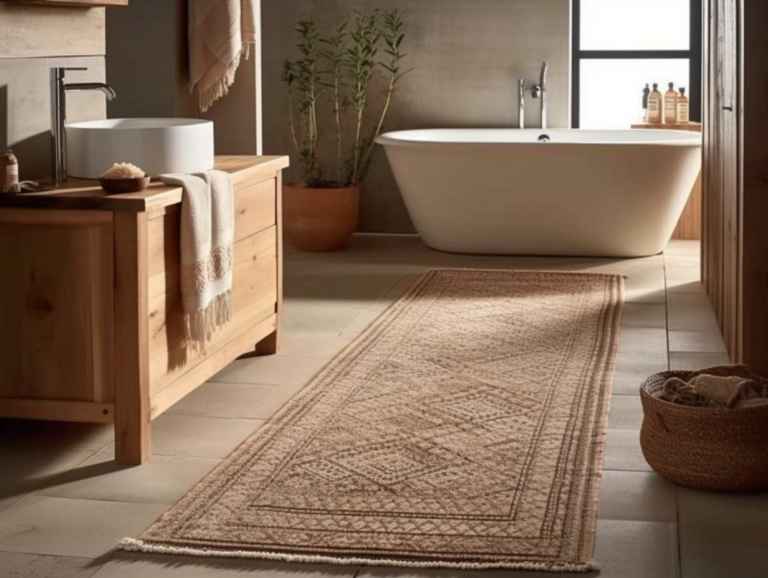
A runner is a long, narrow mat. It may work well along a double vanity or a long bathtub. It needs enough space around it so doors do not catch its edge.
Wooden bath mat
Wood mats allow water to pass between slats or through gaps. They can look clean and modern, but they may become slippery when wet. Follow the care instructions and let the mat dry fully.
Quick-dry bath mat
These mats use materials designed to release moisture faster than thick cotton. They may help in a busy bathroom, but “quick-dry” does not mean the mat cannot hold bacteria, mildew, or odors if it stays damp.
What Is a Bathroom Rug?
A bathroom rug is a decorative or comfort-focused floor covering used in a bathroom. It may look like a small area rug used in another room, but it should still be suitable for moisture and cleaning.
Bathroom rugs can be made from cotton, wool, polyester, nylon, polypropylene, or blended fibers. Their design may match the room’s colors and furniture rather than focus only on water absorption.
A rug may be a good choice in these areas:
- In front of a vanity
- Beside a linen cabinet
- Near a dressing area
- In a large bathroom with a dry floor
- Around a freestanding tub, if the rug can handle moisture
A regular bedroom or living room rug is not always suitable for a bathroom. It may have a backing that reacts poorly to moisture. It may also take too long to dry. A damp rug can develop odors, mold, or mildew.
Before using a rug in a bathroom, check its care label. Look for instructions about machine washing, drying, backing, and exposure to water. If the manufacturer says “spot clean only,” the rug may not be practical beside a shower or tub.
When a bathroom rug is the better choice
Choose a bathroom rug when you want:
- A larger area of floor coverage
- More color or texture
- A softer surface near a vanity
- A coordinated look with towels and curtains
- A covering for a low-moisture area
Do not choose a decorative rug only because it looks attractive. The rug must also lie flat, tolerate moisture, and allow the floor below to dry.
Bathroom Rug vs. Bath Mat: Which One Should You Buy?
Choose based on the floor area and the main problem you want to solve. If the problem is water from a shower, buy a bath mat. If the problem is a cold or plain floor in a mostly dry area, a bathroom rug may work better.
Decision guide
| Your situation | Better choice | Why |
|---|---|---|
| Water drips from your feet after a shower | Absorbent bath mat | It is designed to catch moisture |
| You need coverage outside a long tub | Bath runner or large bath mat | It covers a longer splash zone |
| You want color near a vanity | Bathroom rug | Style and comfort matter more |
| The room has a toilet with limited space | Small flat bath mat | It reduces crowding |
| An older adult uses the bathroom | Low-profile, stable mat | Fewer raised edges can reduce trip risk |
| The floor stays damp for hours | Quick-dry mat or no fabric mat | A constantly damp textile needs better ventilation |
| You want a spa-style look | Wood or mineral mat | It offers a different surface and drying method |
| You need a washable option | Machine-washable bath mat | Easier routine cleaning |
Consider the mat’s backing
A nonslip backing can help, but it is not a substitute for a dry, clean floor. Some rubber-backed mats can damage certain flooring if moisture becomes trapped beneath them. This may matter with wood, laminate, luxury vinyl, or other floors that need protection from prolonged dampness.
Read the flooring maker’s care instructions before placing a backed mat on the floor. Lift the mat from time to time and dry both the mat and the floor.
Consider thickness and door clearance
A thick mat may feel comfortable, but it can block a bathroom door or cabinet. Measure the gap before buying. A mat that catches on a door may shift, fold, or create a trip point.
Flat, low-pile mats often work better in small bathrooms. Thick mats may suit a large room if they do not interfere with doors, drawers, or walking paths.
Consider the size
The mat should cover the splash area without filling the entire walkway. Leave enough exposed floor for doors to open and for people to move safely.
A hypothetical example:
- Shower opening: 60 inches wide
- Available clear floor depth: 28 inches
- Best starting size: a mat no deeper than about 20 to 24 inches
This leaves room at the edge and reduces the chance that the mat will touch a door or wall. Measure your own bathroom because layouts vary.
How to Place a Bathroom Mat Safely
Place the mat on a clean, dry floor and keep its edges flat. The mat should not overlap a doorway, block a cabinet, or sit where it must fold around a toilet base.
Use these steps:
- Measure the space. Check the distance from the shower, tub, sink, toilet, doors, and cabinets.
- Clean and dry the floor. Dirt and water can reduce traction and cause the mat to move.
- Lay the mat flat. Smooth curled corners before use.
- Check the backing. Replace a mat if the backing is cracked, peeling, sticky, or no longer holds the mat in place.
- Test movement. Step on the mat and shift your weight gently. It should not slide or bunch.
- Check nearby doors. Open and close doors and drawers fully.
- Dry the mat often. Hang it or place it where air can reach both sides.
A mat that slides is not safe just because it has a rubber label. Some floors are smooth, dusty, wet, or coated with cleaning residue. These conditions can reduce the mat’s grip.
Do not place a bath mat inside a tub or shower unless it is specifically made for that purpose. A floor mat outside the shower is not the same as a shower safety mat.
When to remove the mat
Remove the mat if it:
- Stays wet for long periods
- Develops a musty smell
- Shows mold or mildew
- Has curled edges
- Slides during normal use
- Has a damaged backing
- Covers a floor that must be inspected for leaks
If a wet mat is near a toilet, sink, or tub, check the floor beneath it. A hidden plumbing leak can cause damage even when the mat appears to be the source of the moisture.
How to Clean and Maintain a Bath Mat or Bathroom Rug
Follow the product label first. Care methods differ by fiber, backing, dye, and construction.
For a washable fabric mat:
- Shake out loose dust outdoors or over a trash can.
- Wash it as directed on the care label.
- Use the recommended water temperature.
- Avoid bleach unless the label allows it.
- Dry it fully before returning it to the floor.
- Clean the floor beneath it before replacing it.
Do not assume that all rubber-backed mats can go in a dryer. Heat may damage the backing or cause it to crack. Some mats also require air drying.
Wash bathroom mats more often when several people use the bathroom, the room has poor airflow, or the mat becomes visibly wet. A mat that stays damp needs attention sooner than one that dries quickly after each use.
For a wood mat, remove standing water and follow the maker’s instructions for cleaning and sealing. For a mineral or stone-style mat, use only cleaners approved for that material. Harsh products may damage the surface or leave it less comfortable.
Never mix household cleaning products. In particular, do not mix bleach with ammonia or acidic cleaners. The U.S. Environmental Protection Agency advises following label directions and using cleaning products as directed.
Common Mistakes to Avoid
The most common mistake is treating every bathroom rug as a bath mat. A decorative rug may look attractive but may not absorb water, dry quickly, or stay stable on a smooth floor.
Avoid these errors:
- Using a thick rug beside a shower without checking drying time. Moisture can remain trapped in the pile.
- Ignoring the backing. A backing can damage some floors or become unsafe as it ages.
- Placing a mat over a wet floor. The mat may hide a leak or slide more easily.
- Choosing a mat that blocks a door. The edge can fold or move.
- Leaving a wet mat in place all day. The floor and mat need airflow.
- Using a loose toilet contour mat in a small walkway. Its extra edges may increase trip risk.
- Assuming “nonslip” means slip-proof. No label removes the need for a flat, dry, well-maintained surface.
- Using a shower mat outside the shower. Different products serve different purposes.
- Washing a backed mat with unsuitable heat. The backing may break down.
- Keeping a mat with mold or a persistent odor. Cleaning may not restore it to a hygienic condition.
For households with mobility concerns, choose a low-profile mat that stays firmly in place. If a bathroom remains hazardous despite changes to the floor covering, consider professional advice about broader bathroom safety features such as grab bars, lighting, and flooring.
Frequently Asked Questions
Is a bathroom mat the same as a bath mat?
Usually, yes. Many people use “bathroom mat” and “bath mat” for the same product. Both often describe a mat placed outside a tub or shower. “Bath mat” is the more specific term.
Can I use a regular rug in the bathroom?
You can use a regular rug only if its material, backing, and care instructions suit bathroom conditions. Avoid rugs that remain damp, shed heavily, slide, or cannot be cleaned properly.
Should a bath mat go inside or outside the shower?
A standard bath mat should go outside the shower. Use a mat inside the shower only when it is specifically designed for wet, in-shower use and has a suitable grip.
Are bathroom rugs safe on hardwood floors?
They can be, but moisture must not stay trapped beneath them. Confirm that the rug backing is compatible with the floor finish, and lift the rug regularly to inspect and dry the floor.
How often should I replace a bath mat?
Replace it when it no longer lies flat, the backing breaks down, it slides, or it keeps a musty odor after washing. The calendar matters less than the mat’s condition and the way it is used.
Is cotton or microfiber better for a bath mat?
Cotton is soft and absorbent. Microfiber often dries faster and can feel lighter. The better choice depends on how much water the mat receives, how often it can be washed, and how well the room ventilates.
Final Answer: Bath Mat or Bathroom Rug?
Call it a bath mat when it is designed to absorb water outside a shower or tub. Call it a bathroom rug when it mainly adds comfort, warmth, or style in a bathroom’s drier areas.
The label matters less than the product’s function. Check absorbency, drying time, backing, size, floor compatibility, and care instructions. Choose a low-profile mat that stays flat, keep it dry, and replace it when it becomes worn or unstable.